What Memento reveals about human nature, 25 years later
Director Christopher Nolan's breakout film explores themes of the nature of memory and personal identity.
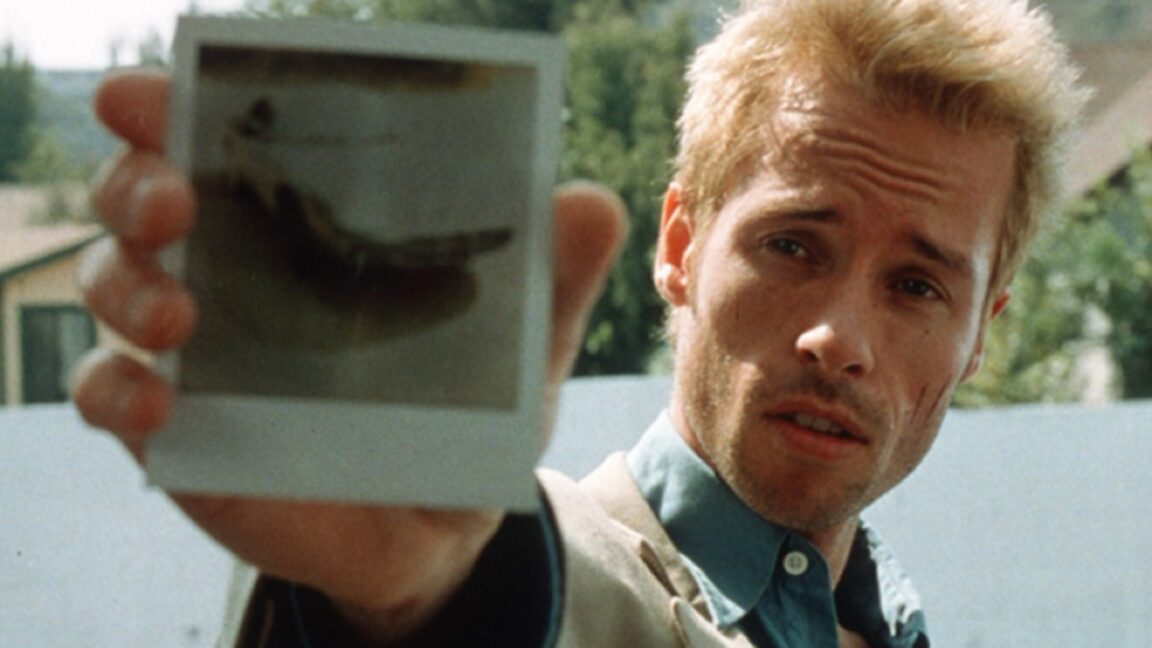
Christopher Nolan's breakout film, "Memento," which premiered in the United States 25 years ago, continues to captivate audiences and filmmakers alike with its exploration of the nature of memory and personal identity. Released in 2000, the film marked a turning point in Nolan's career, showcasing his unique storytelling abilities and setting the stage for his future cinematic achievements.
The origins of "Memento" are now the stuff of Hollywood legend. According to Nolan, the idea for the film came from his brother, Jonathan, who pitched him a story during a road trip. The tale revolved around a man suffering from anterograde amnesia, a condition that prevents him from forming new long-term memories. Despite this, the protagonist is determined to track down and kill the man responsible for raping and murdering his wife. Nolan was intrigued by the concept and asked his brother to develop it further. A few months later, Jonathan sent him a draft of the story, which would eventually evolve into his short story, "Memento Mori," published after the film's release.
Nolan took this initial concept and transformed it into a groundbreaking cinematic experience. He chose to tell the story in reverse chronological order, starting with the protagonist's quest and working backward to reveal the events that led to his current state. This narrative structure not only added a layer of complexity to the film but also forced audiences to engage actively with the story, piecing together the fragments of memory as they unfolded on screen.
The film's protagonist, Leonard Shelby (played by Guy Pearce), is a man haunted by his past. His inability to form new memories forces him to rely on tattoos, Polaroid photographs, and a voice memo to piece together his life. As the film progresses, viewers are treated to a series of visual and narrative innovations that reflect the protagonist's fragmented psyche. The use of black-and-white footage for scenes in Leonard's present and color for his past serves as a metaphor for the distinction between memory and reality.
"Memento" is not just a film about memory; it is a meditation on personal identity. Leonard's journey is a poignant exploration of how our memories shape who we are and how we perceive the world around us. The film raises questions about the reliability of memory and the extent to which our understanding of the past can be altered or manipulated. As Leonard's quest unfolds, viewers are left to question the authenticity of his recollections and the true nature of his motivations.
Nolan's ability to blend thought-provoking themes with visually striking imagery and a compelling narrative has made "Memento" a standout in the world of cinema. The film's success paved the way for Nolan's subsequent projects, including "Inception," "The Dark Knight," and "Interstellar," all of which continue to push the boundaries of storytelling and filmmaking.
In the 25 years since its release, "Memento" has remained a touchstone for filmmakers and audiences alike. Its exploration of memory and identity resonates as powerfully as ever, offering a poignant reflection on the human condition. As we reflect on the film's enduring impact, it is clear that Nolan's breakout work not only showcased his talent as a director but also solidified his reputation as a master of the modern cinema.
Today, "Memento" stands as a testament to the enduring power of storytelling and the importance of asking probing questions about the nature of human existence. As audiences continue to engage with the film, its themes of memory, identity, and the search for meaning in a complex world remain as relevant as ever. In many ways, "Memento" is more than just a film—it is a journey into the depths of the human mind, a journey that continues to captivate and inspire.