
What is XMoney, Elon Musk's new digital payments platform?
Elon Musk said his long-planned payments platform, dubbed XMoney, is set to launch for select users. Here's what to know.
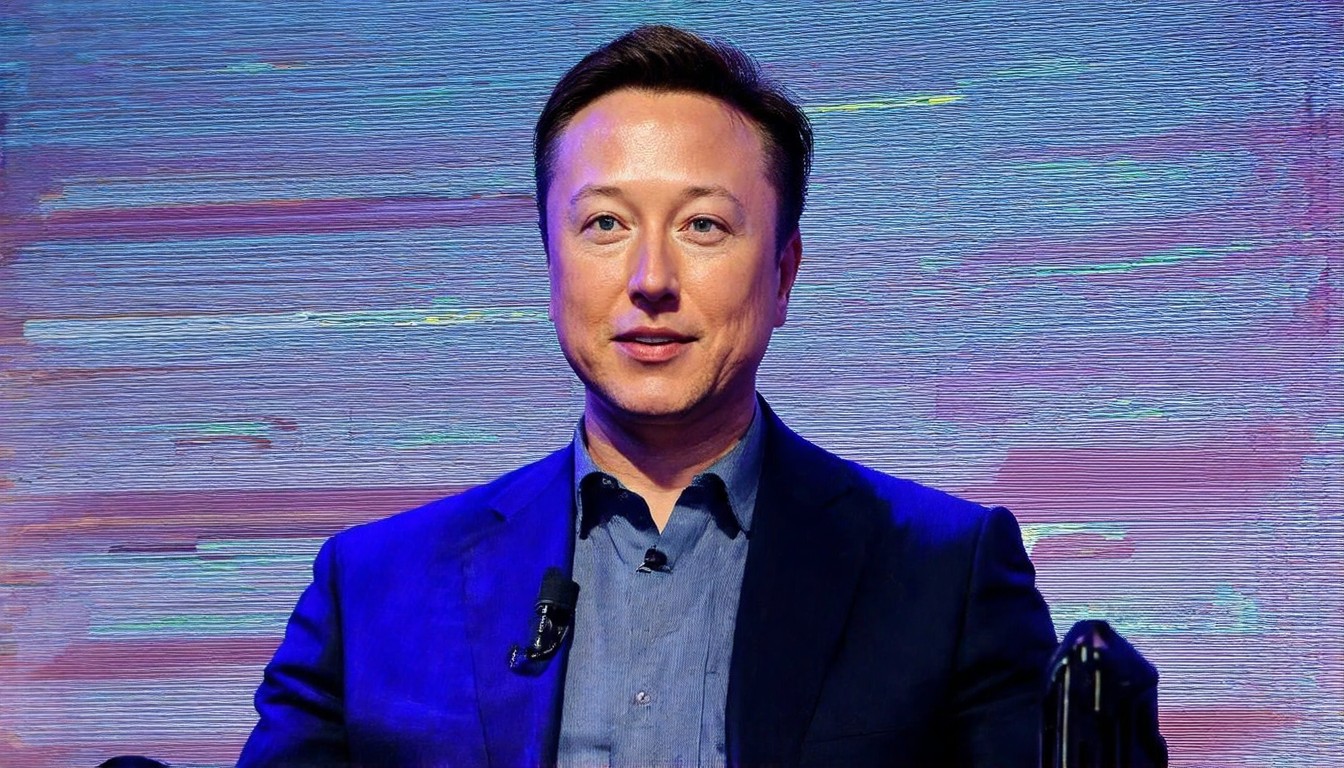
Elon Musk, the entrepreneur behind companies like SpaceX and Tesla, has long been interested in the world of digital payments. Recently, he announced that his new digital payments platform, XMoney, is set to launch for select users. This move comes as Musk continues to expand his influence in the financial technology sector, following his acquisition of Twitter in 2022.
XMoney is designed to offer a seamless and efficient way for users to conduct transactions, with a focus on speed, security, and user-friendliness. Musk has hinted that the platform will leverage blockchain technology to ensure transparency and reduce the risk of fraud. This aligns with his previous ventures, which have often emphasized innovation and disruption in their respective industries.
The launch of XMoney is expected to be gradual, starting with a limited group of users who will be invited to participate in beta testing. Musk has not yet disclosed the specific criteria for selection, but it is likely that early adopters will be those who have demonstrated a strong interest in the platform or have a history of using other digital payment services.
One of the key features of XMoney is its potential to facilitate cross-border transactions with minimal fees and faster processing times. This could be particularly beneficial for individuals and businesses that frequently engage in international trade or have a need for rapid global payments. Musk has also suggested that XMoney may offer competitive exchange rates for cryptocurrencies, making it an attractive option for users looking to convert between different digital currencies.
In addition to its transactional capabilities, XMoney is expected to integrate with other services and applications, allowing users to make payments effortlessly within a variety of platforms. This could include partnerships with e-commerce sites, social media platforms, and even gaming services, creating a more cohesive and convenient ecosystem for digital transactions.
However, the launch of XMoney is not without its challenges. Regulatory hurdles may pose a significant obstacle, as digital payments platforms must adhere to strict financial regulations to ensure compliance with anti-money laundering (AML) and other financial laws. Musk will need to navigate these complexities carefully to avoid potential legal issues.
Furthermore, the success of XMoney will depend on its ability to differentiate itself from existing digital payment platforms, such as PayPal and Venmo. Musk will need to offer unique features or superior user experiences to entice users away from established services.
Despite these challenges, Musk's reputation for innovation and his ability to execute ambitious projects give investors and observers reason to be optimistic about the future of XMoney. As the platform expands its user base and refines its offerings, it has the potential to reshape the digital payments landscape and further solidify Musk's influence in the financial technology sector.
In conclusion, XMoney represents another ambitious venture by Elon Musk, aiming to disrupt the digital payments industry with its focus on speed, security, and user-friendliness. While the platform's launch is expected to be gradual and face regulatory challenges, its potential to offer innovative solutions for international transactions and competitive exchange rates could make it a compelling option for users. As XMoney evolves, it will be interesting to see how it competes with existing players and whether it can successfully carve out a niche in the crowded digital payments market.









