What if China and India became friends?
Setting aside their border dispute could transform their relationship—and geopolitics
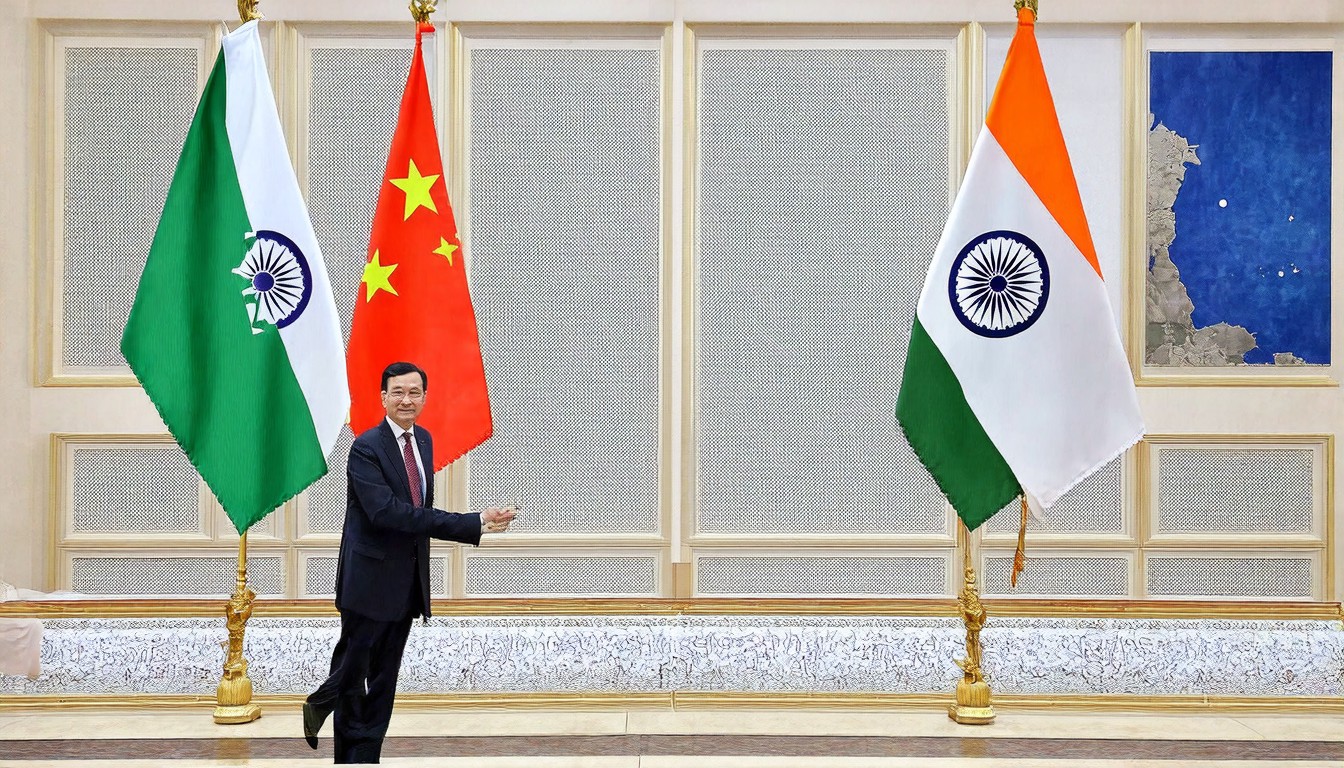
In recent years, the relationship between China and India has been marked by tensions, particularly over their disputed border in the Himalayas. However, as both nations continue to rise as global economic powers, there is growing recognition that a more cooperative relationship could reshape geopolitics. If China and India were to set aside their border dispute and establish a friendly rapport, the implications would be profound, not only for the two countries but also for the international order.
China and India, with their combined populations exceeding 3 billion, hold significant sway over global affairs. Their economic growth and strategic ambitions have made them key players in international trade and diplomacy. Historically, the two nations have been wary of each other, with India's alignment with the United States and other Western allies contrasting with China's assertive foreign policy. However, as both countries navigate the complexities of a multipolar world, the potential benefits of a warmer relationship are becoming increasingly apparent.
One of the primary obstacles to improved relations has been the unresolved border dispute. The Line of Actual Control (LAC) in the Himalayas, which separates the Indian-administered Kashmir from China's Tibet Autonomous Region, has been the site of numerous skirmishes. In 2020, tensions escalated into a full-scale military standoff, highlighting the fragility of the status quo. While both sides have since de-escalated, the dispute remains unresolved.
If China and India were to engage in meaningful dialogue and find a mutually acceptable solution to their border issues, it could pave the way for broader cooperation. Such a move would not only stabilize the region but also demonstrate a commitment to peaceful dispute resolution, which could inspire other nations to follow suit. Moreover, a thawing relationship could lead to increased economic engagement, as both countries have expressed interest in expanding trade and investment.
Economically, a closer relationship between China and India could have significant implications. India's vast consumer market and strategic location in Asia could prove attractive to Chinese businesses, while India could benefit from China's technological advancements and infrastructure projects. Additionally, a partnership between the two could create a counterbalance to U.S. dominance in the Indo-Pacific region, reshaping global power dynamics.
However, achieving such a transformation would require significant effort and goodwill from both sides. China would need to demonstrate a genuine commitment to peaceful coexistence, while India must navigate its complex relationship with the United States and other allies. Trust-building measures, such as joint military exercises or confidence-building measures along the border, could help foster mutual understanding.
Furthermore, regional neighbors and global powers would have to adapt to a new geopolitical landscape. Countries like Pakistan, Bangladesh, and Nepal, which are directly affected by the India-China relationship, would need to reassess their strategic alliances. Meanwhile, the United States and other Western allies might face the challenge of balancing their interests with the evolving dynamics in Asia.
In conclusion, the prospect of China and India becoming friends, despite their historical tensions, could lead to a transformative shift in global geopolitics. While the path to such a relationship is fraught with challenges, the potential rewards—stability, economic growth, and a more balanced international order—are compelling. As both nations continue to rise as global powers, the question of whether they can set aside their differences and forge a cooperative partnership remains central to the future of international relations.