
Whale That Swam 20 Miles Up Washington River Is Found Dead
The gray whale, which some locals affectionately named Willapa Willy, was found on Saturday afternoon after first being spotted swimming up the Willapa River last week.
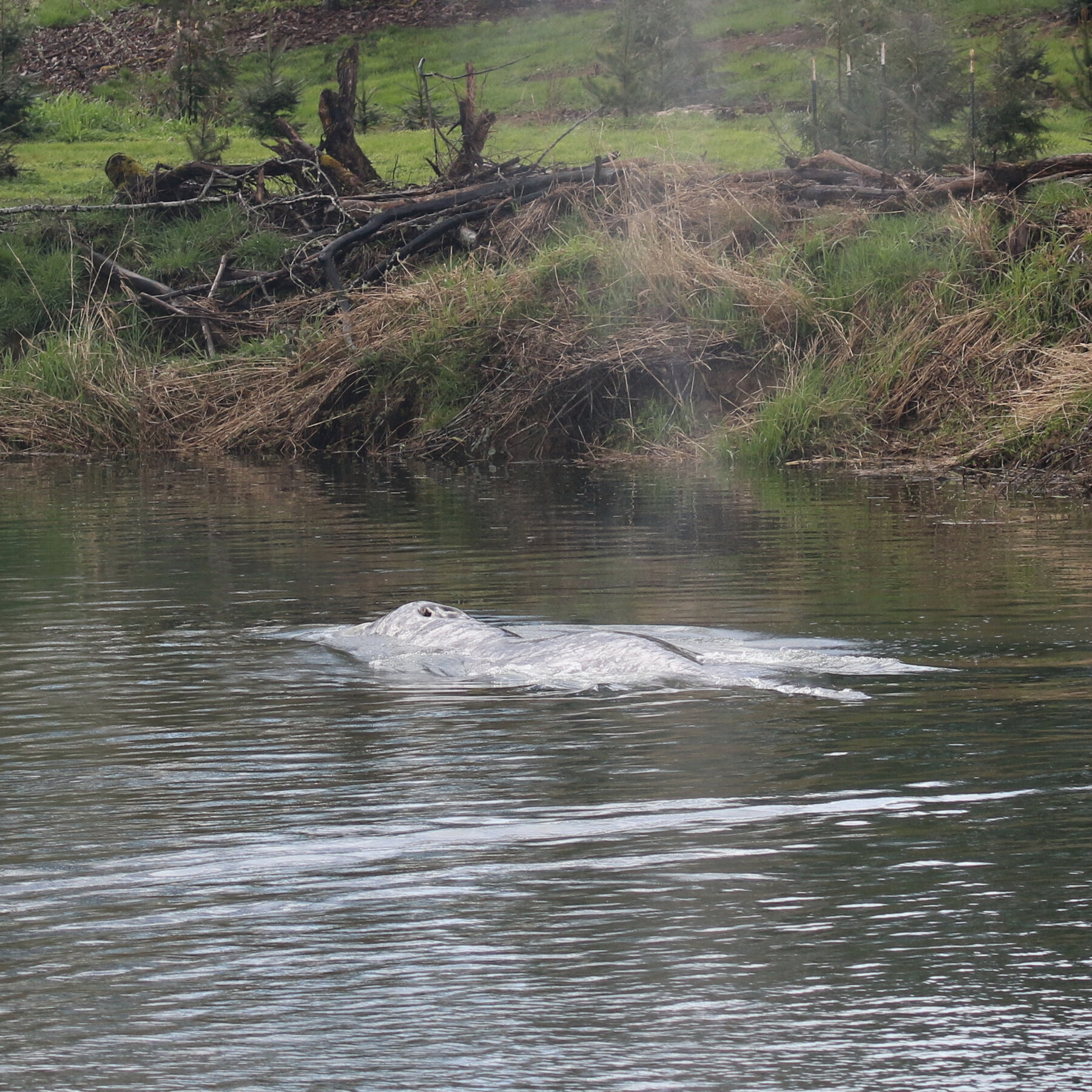
A gray whale that stunned locals by swimming 20 miles up the Willapa River in Washington was found dead on Saturday afternoon. The whale, affectionately dubbed Willapa Willy by some residents, had captured the attention of onlookers when it was first spotted in the river last Wednesday.
The Willapa River, a major waterway in southwestern Washington, is not a typical habitat for gray whales, which are usually found in the open ocean or along the coast. The sighting of the whale, which can grow up to 50 feet long, was a rare and unexpected occurrence. Locals and tourists gathered along the riverbanks to witness the unusual event, capturing videos and photos of the majestic creature as it navigated the river's currents.
Experts were quick to note that the whale's journey upstream was likely driven by a combination of factors. One possibility was that the whale was disoriented or injured, leading it to venture into unfamiliar territory. Another theory suggested that the whale might have been following a pod of smaller fish, which could have inadvertently guided it into the river.
Despite the initial excitement, the whale's journey soon raised concerns about its well-being. The river's narrow channels and varying depths posed challenges for the large marine mammal, and experts warned that the whale could become stranded or injured. Efforts were made to monitor the whale's progress, with local authorities and marine biologists closely watching its movements.
On Saturday afternoon, the whale was discovered floating in the river, having succumbed to its ordeal. Officials confirmed that the cause of death was not immediately clear, but it was suspected that a combination of stress, exhaustion, and potential injury had played a role. The whale's body was later removed from the river, and a necropsy was scheduled to determine the exact cause of death.
The discovery of the dead whale has sparked discussions about the potential impacts of climate change on marine life. Some experts have linked the unusual behavior of gray whales to changes in ocean temperatures and currents, which could be forcing them to venture into new areas in search of food and suitable habitats.
The community of Willapa, which is home to a significant fishing industry, has expressed sadness over the whale's fate. While the whale's journey brought attention to the region, it has also served as a reminder of the delicate balance between human activity and the natural world. Local officials have pledged to work with marine biologists to better understand the whale's behavior and to develop strategies to protect both the environment and its inhabitants.
In the days following the whale's death, the story has gained national attention, with many people expressing concern for the well-being of marine species and the ecosystems they inhabit. The unusual sighting of Willapa Willy has become a poignant reminder of the importance of preserving and understanding the oceans, which continue to hold many mysteries and challenges for both scientists and conservationists.
As the community mourns the loss of the whale, it also reflects on the unique connection between humans and the natural world. The whale's journey up the river, though tragically ended, has left an indelible mark on the memories of those who witnessed it and serves as a powerful reminder of the interconnectedness of all living things.









