
Westerners are fleeing their countries in record numbers
This will have economic consequences for the places they flee and their destinations
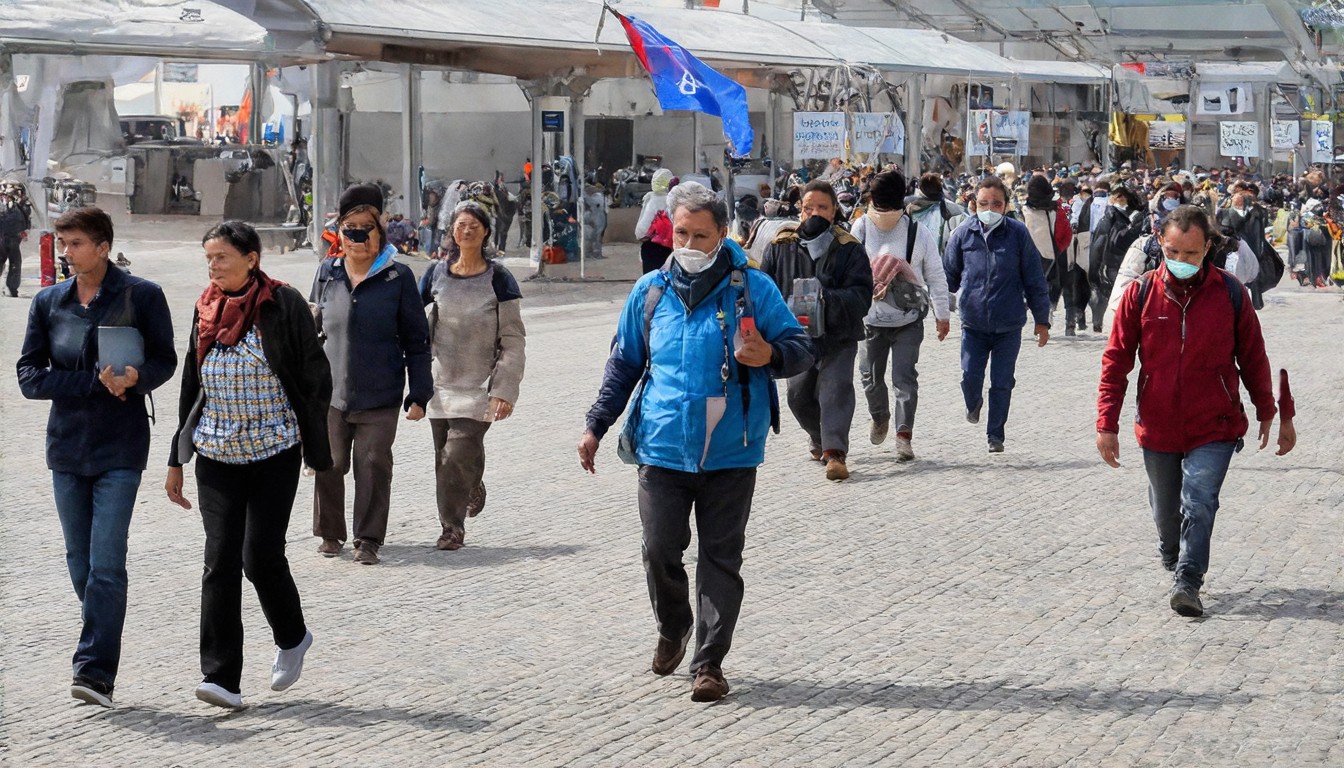
In recent years, a surge in the number of Westerners leaving their home countries has become a pressing issue, with implications for both the nations they depart from and those they arrive in. This exodus, driven by a combination of economic, political, and social factors, is prompting concerns about its economic repercussions on both the source and destination countries.
The primary drivers of this mass migration include economic instability, high living costs, and political unrest. In many Western nations, stagnant wages, rising inflation, and a lack of job opportunities have pushed individuals to seek better prospects abroad. Additionally, political tensions and uncertainties, such as shifts in government policies or social unrest, have further incentivized emigration. As a result, countries like the United States, the United Kingdom, and several European nations are witnessing a significant outflow of their citizens.
The economic consequences of this migration are multifaceted. For the countries people are leaving, the brain drain of skilled professionals and young adults can lead to labor shortages and reduced economic growth. Skilled workers, particularly in fields such as technology, healthcare, and engineering, are in high demand, and their absence can hinder productivity and innovation. Moreover, the departure of young, tax-paying individuals can strain social security systems and public services, leading to long-term financial challenges.
On the other hand, the destination countries face their own set of economic challenges. While these nations may initially benefit from the influx of skilled workers, who can fill labor gaps and contribute to economic growth, the long-term effects can be mixed. The integration of newcomers into the local economy requires investment in education, healthcare, and infrastructure, which can strain public resources. Furthermore, the influx of migrants may lead to increased competition for jobs and housing, potentially exacerbating existing economic tensions.
Another significant economic consequence is the impact on remittances. Many migrants continue to send money back to their home countries, providing crucial financial support to families and contributing to the stability of their economies. However, if the trend of emigration continues at its current pace, the volume of remittances could decrease, leading to further economic strain on the source countries.
Additionally, the migration of Westerners is not limited to traditional destinations like Canada, Australia, or various European countries. There is an increasing trend of Westerners moving to Asia, particularly countries such as Singapore, South Korea, and Japan, which are known for their stable economies and high living standards. This shift can lead to a reconfiguration of global economic dynamics, as these destination countries adapt to the influx of new residents.
Governments and policymakers are grappling with how to address these economic consequences. Some are implementing policies to attract and retain talent, such as offering incentives for skilled workers to stay or return to their home countries. Others are focusing on integrating newcomers more effectively, ensuring that they can contribute to the economy while also benefiting from its resources.
In conclusion, the record number of Westerners fleeing their countries has far-reaching economic implications. While the short-term effects may include labor market adjustments and shifts in global economic power, the long-term consequences could reshape the economic landscape of both departure and arrival nations. As governments and societies adapt to this new reality, finding a balance between managing migration and ensuring economic stability will be a critical challenge.









