Western Disturbance To Bring Rain, Storms Across Several States; Delhi To Stay Cloudy
Central India may witness scattered rainfall accompanied by thunderstorms and lightning, along with the possibility of isolated hailstorms.
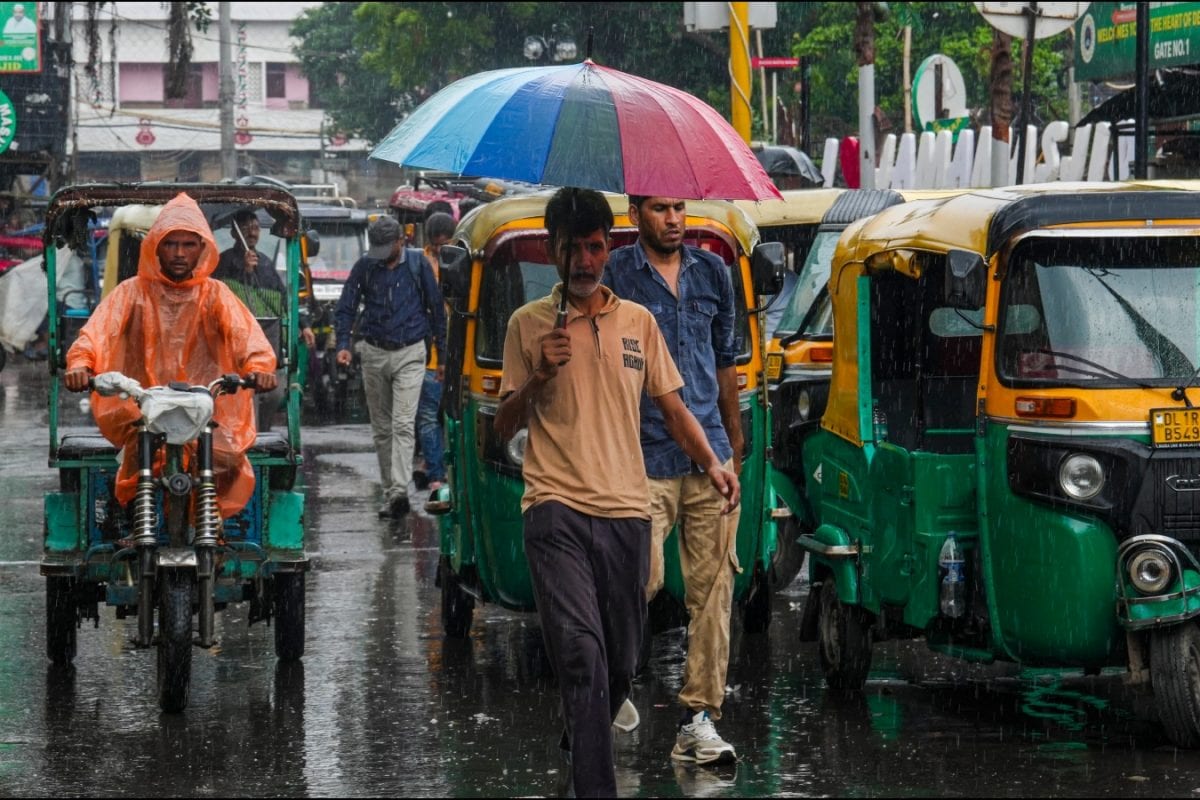
As a western disturbance moves across the Indian subcontinent, it is expected to bring significant weather changes to several states, including Central India. The region is set to experience scattered rainfall, thunderstorms, and lightning, with the potential for isolated hailstorms. While Delhi is predicted to remain cloudy, the impact of this weather system will be felt across a broader area, affecting both urban and rural regions.
The western disturbance, which originates from the Arabian Sea, is a seasonal meteorological phenomenon that occurs during the winter months. It brings cool and moist air masses from the northwest, leading to a surge in precipitation across the Indian subcontinent. This year, the disturbance is expected to be particularly strong, resulting in more intense weather conditions than usual.
In Central India, the combination of cooler temperatures and high humidity has created ideal conditions for the formation of thunderstorms. Meteorologists have warned that these storms could lead to localized heavy rainfall, causing disruptions to transportation and power supply in some areas. The possibility of hailstorms adds an additional layer of uncertainty, as hail can cause damage to crops and infrastructure.
The Indian Meteorological Department (IMD) has issued yellow alerts for several districts in Central India, advising residents to stay informed about the changing weather conditions. Farmers are particularly cautious, as the hailstorms could threaten their crops, which are already under pressure due to the ongoing drought.
Despite the challenges posed by the western disturbance, there are also benefits to be gained from the rainfall. Many regions in Central India have been struggling with water scarcity, and the much-needed rain could help replenish groundwater levels and improve agricultural productivity. However, the unpredictable nature of the storms means that farmers must be prepared to adapt their practices to cope with the sudden changes in weather.
In addition to Central India, the western disturbance is also expected to affect other parts of the country. Delhi, the capital city, is predicted to remain cloudy, with occasional light rainfall. While this may not be enough to alleviate the city's water shortages, it will provide some relief from the otherwise arid conditions. The cloud cover may also help to improve air quality, as the humidity can help to dilute pollutants.
The impact of the western disturbance is not limited to India. The same weather system can extend its influence into neighboring countries, such as Pakistan and Bangladesh, where it may bring rainfall and cause disruptions. In these regions, the arrival of the disturbance is often welcomed, as it can help to ease the drought conditions that have been prevalent for several years.
As the western disturbance continues to move across the Indian subcontinent, it serves as a reminder of the dynamic and unpredictable nature of the region's weather. While the rainfall and thunderstorms may cause temporary disruptions, they also offer a glimmer of hope for a more sustainable future, as they help to replenish water resources and support agricultural growth.
In conclusion, the western disturbance is set to bring significant weather changes to Central India and other parts of the country. With scattered rainfall, thunderstorms, and the possibility of hailstorms, the region is braced for a period of intense weather. While there are challenges to be faced, the much-needed rainfall offers a chance to address some of the long-standing issues of water scarcity and agricultural productivity. As the weather system moves across the subcontinent, it underscores the importance of staying informed and prepared for the ever-changing conditions that characterize the Indian climate.