West Bengal SIR: 60 lakh claims of those deleted from voters' list to be decided on Monday, says Supreme Court
The court clarified that tribunals would have the authority to examine reasons for inclusion or exclusion from voter rolls and review documentary evidence, including records not uploaded online
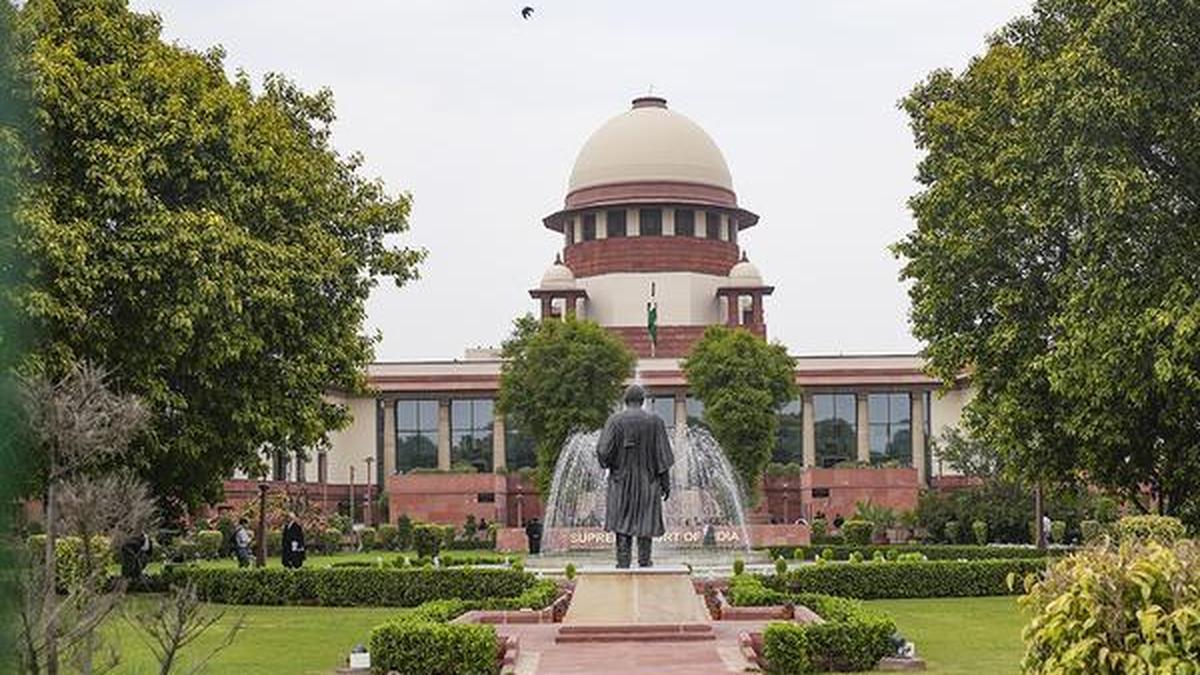
The Supreme Court of India has set a crucial deadline for the West Bengal State Election Commission (WBSEC) to decide on the claims of approximately 60 lakh (6 million) people whose names were deleted from the voters' list. The ruling, delivered on Friday, emphasizes that the tribunals tasked with reviewing these cases will have the authority to examine the reasons for inclusion or exclusion from the voter rolls and review documentary evidence, including records that were not uploaded online.
The decision follows a recent surge in complaints from individuals whose names were removed from the voters' list ahead of the upcoming state elections. Many of these individuals argue that their exclusion was unjustified and that their names were erroneously deleted. The Supreme Court's intervention comes as a relief to those affected, as it ensures that their cases will be thoroughly examined by the tribunals.
In its ruling, the court emphasized the importance of a fair and transparent process to determine eligibility for voting. It clarified that the tribunals will have the power to review all relevant documentation, including records that were not made available online. This includes physical records, affidavits, and other evidence that may support the claims of those seeking reinstatement on the voters' list.
The court's decision also highlights the need for the WBSEC to ensure the accuracy and completeness of the voters' list. It is a critical aspect of maintaining the integrity of the electoral process, as it ensures that eligible voters can exercise their right to vote without undue obstacles. The ruling serves as a reminder to the electoral authorities of their responsibility to uphold the principles of democracy and transparency.
The West Bengal State Election Commission has been under scrutiny in recent months due to concerns about irregularities in the voters' list. Reports have surfaced alleging that names were arbitrarily deleted, leading to widespread dissatisfaction among the affected individuals. The Supreme Court's intervention is a significant step towards addressing these concerns and ensuring that the electoral process remains fair and just.
The tribunals tasked with reviewing the claims will have a challenging task ahead, as they must carefully evaluate each case and determine the validity of the exclusion. The court's ruling provides them with the necessary authority and flexibility to do so, but it also places a heavy burden on them to ensure that their decisions are fair, impartial, and based on solid evidence.
The deadline set by the Supreme Court for the WBSEC to decide on the claims is Monday, which gives the tribunals a limited timeframe to conduct their reviews. This urgency is understandable, given the proximity of the state elections. However, it also raises concerns about the possibility of rushed decisions that may not fully address the complexities of each case.
The ruling by the Supreme Court is a significant development in the ongoing saga of the West Bengal voters' list. It underscores the judiciary's role in safeguarding the electoral process and ensuring that all eligible voters can participate in the elections without undue interference. As the tribunals begin their work, it remains to be seen how they will balance the need for speed with the need for thoroughness in their reviews.
In conclusion, the Supreme Court's decision to set a deadline for the West Bengal State Election Commission to address the claims of those deleted from the voters' list is a critical step towards ensuring the fairness and transparency of the electoral process. By granting the tribunals the authority to review all relevant documentation, the court has provided a clear pathway for those affected to seek justice. As the tribunals prepare to make their decisions, the focus must remain on upholding the principles of democracy and ensuring that every eligible voter can exercise their right to vote without obstruction.