West Bengal Polls: Urban Rashbehari Vs Industrial Asansol Show Contrasting Political Trends
TMC dominates both Rashbehari and Asansol Uttar, but Rashbehari shows stable urban support while Asansol Uttar sees stronger BJP challenge amid industrial urban competition
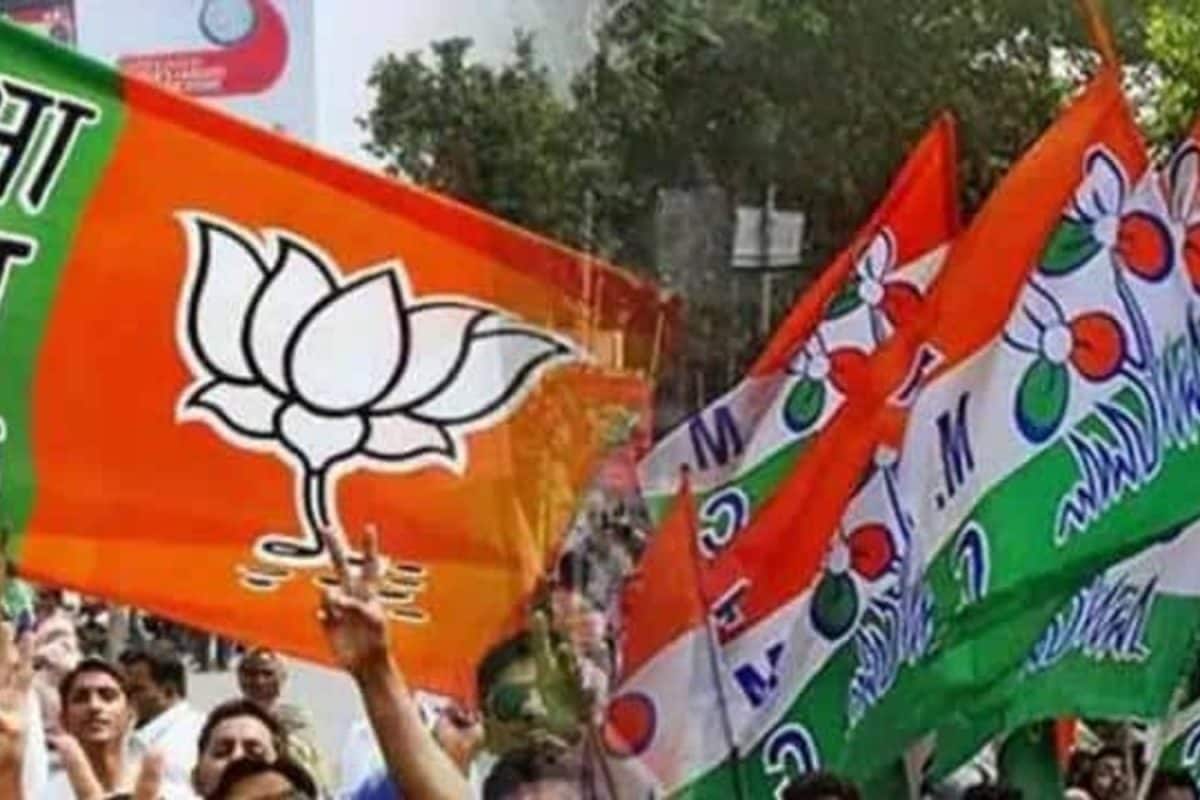
In the recent West Bengal polls, two distinct political trends emerged in the constituencies of Rashbehari and Asansol Uttar. While the Trinamool Congress (TMC) maintained its dominance in both areas, the nature of political support and competition varied significantly between the two. Rashbehari, a predominantly urban constituency, demonstrated a stable and consistent voter base for the TMC, reflecting the party's stronghold in urban areas. Conversely, Asansol Uttar, an industrial urban constituency, saw a more intense challenge from the Bharatiya Janata Party (BJP), highlighting the impact of industrialization and economic factors on political dynamics.
Rashbehari, a constituency located in the heart of West Bengal's urban landscape, has long been a bastion of the TMC. The party's leadership, rooted in grassroots politics and a focus on urban development, has ensured its continued dominance. The recent elections reinforced this trend, with the TMC securing a comfortable victory. The constituency's residents, primarily engaged in professional and service-sector jobs, have consistently supported the TMC's policies on education, healthcare, and infrastructure. The party's ability to address urban concerns and deliver on its promises has fostered a loyal and stable voter base in Rashbehari.
The TMC's success in Rashbehari can be attributed to its effective communication strategies and a deep understanding of urban needs. The party has prioritized issues such as public transportation, housing, and environmental sustainability, aligning with the concerns of urban dwellers. This focus has helped the TMC maintain its popularity and voter loyalty in the constituency. Moreover, the party's leadership has been adept at engaging with urban youth, incorporating their demands into its policy agenda. This strategic approach has ensured that the TMC remains relevant and relevant to the urban electorate.
In contrast, Asansol Uttar, another urban constituency in West Bengal, witnessed a more competitive electoral landscape. The TMC, despite retaining its majority, faced a stronger challenge from the BJP. This constituency, characterized by its industrial growth and a diverse workforce, has seen a shift in political preferences. The influx of industrial jobs and the resulting economic changes have influenced the political dynamics, with the BJP capitalizing on these factors to gain traction.
The BJP's increased presence in Asansol Uttar can be attributed to its emphasis on industrialization and job creation. The party has positioned itself as a champion of industrial growth, appealing to the constituency's workforce. The BJP's campaign focused on promises of better employment opportunities, infrastructure development, and improved living conditions for industrial workers. This resonated with a significant portion of the electorate, particularly those employed in the industrial sector.
The TMC, however, has not been passive in its response to the BJP's challenge. The party has acknowledged the changing political landscape in Asansol Uttar and has adapted its strategies to address the concerns of the industrial workforce. The TMC has emphasized its record of industrial development and investment in the region, highlighting its commitment to creating job opportunities and improving infrastructure.
The contrasting political trends in Rashbehari and Asansol Uttar underscore the diverse challenges faced by political parties in West Bengal. While urban constituencies like Rashbehari have remained stable bastions for the TMC, the industrial urban constituency of Asansol Uttar has seen a more competitive electoral scenario. These elections serve as a reminder of the evolving political landscape in West Bengal, where economic factors and industrialization are increasingly influencing voter preferences.
In conclusion, the recent West Bengal polls in Rashbehari and Asansol Uttar have revealed contrasting political trends. The TMC's stable urban support in Rashbehari stands in contrast to the stronger BJP challenge in the industrial urban constituency of Asansol Uttar. These elections highlight the importance of understanding the unique factors shaping political dynamics in different regions, as well as the need for political parties to adapt their strategies to address the evolving needs of their constituents. As West Bengal continues to undergo rapid urbanization and industrialization, the political landscape will undoubtedly be shaped by these economic transformations.