West Asia crisis: Export uncertainty hits mango trade, Karnataka farmers explore alternative and local markets
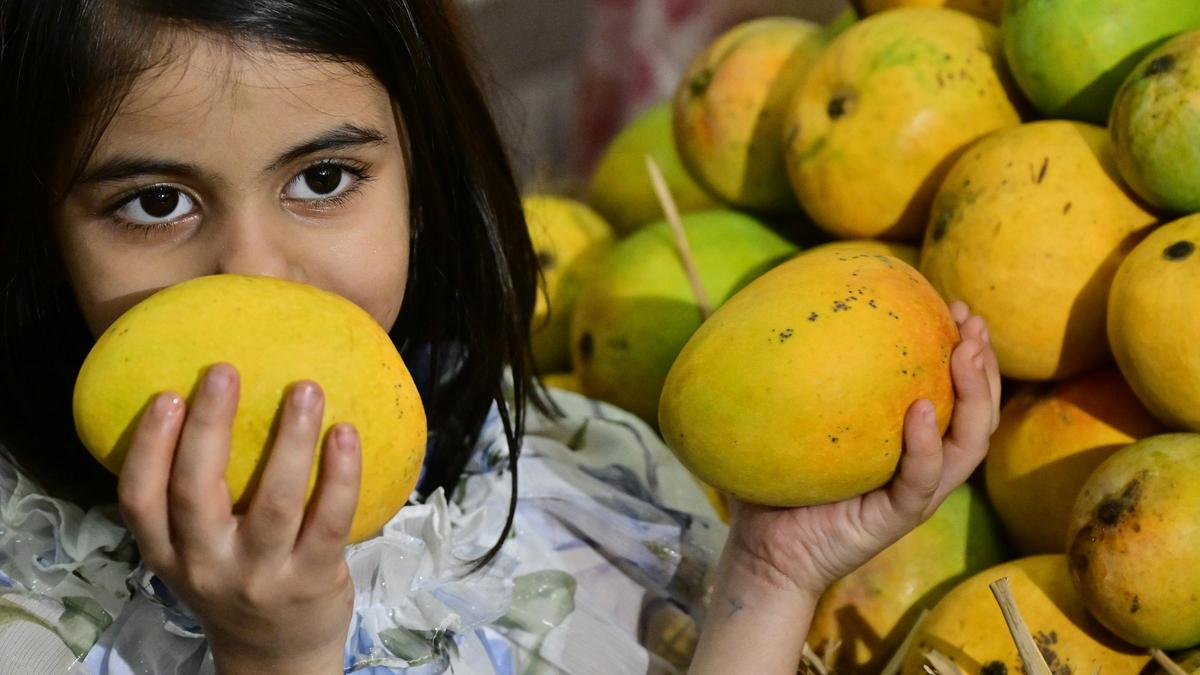
Mangoes have already started arriving in Bengaluru, but traders say supplies have not yet reached full capacity. In the next 10 days, more varieties from Andhra Pradesh, Tamil Nadu and parts of Karnataka are expected to arrive
The West Asia crisis has sent shockwaves through the mango trade, causing uncertainty and disruptions in the export market. Traders and farmers in regions like Karnataka, Andhra Pradesh, and Tamil Nadu are feeling the pinch as supplies have not yet reached their usual capacity, particularly in Bengaluru. The situation has prompted Karnataka farmers to explore alternative and local markets to mitigate the impact of the crisis.
Mangoes, a staple fruit in South India, are already beginning to arrive in Bengaluru, but traders report that the influx is not as robust as it has been in previous years. The West Asia crisis, which has led to trade restrictions and logistical challenges, has significantly affected the export routes for these fruits. As a result, the mango trade has been forced to adapt to the new realities of the market.
In the coming weeks, more varieties of mangoes are expected to arrive from Andhra Pradesh, Tamil Nadu, and parts of Karnataka. Farmers and traders are hopeful that this will help stabilize the market and meet the demand from both local consumers and those in other regions. However, the uncertainty surrounding the West Asia crisis continues to cast a shadow over the mango trade, as the industry grapples with the potential long-term effects of these disruptions.
Karnataka farmers, in particular, are taking proactive steps to find alternative markets for their mangoes. With the export market facing challenges, they are turning their attention to local and regional sales. This shift has led to increased competition in the domestic market, as farmers vie for a share of the available demand.
The crisis has also highlighted the importance of diversifying supply chains and exploring new markets. Traders are now considering alternative export destinations and routes to ensure a steady flow of mangoes. This could lead to increased trade with countries outside of West Asia, potentially opening up new opportunities for the industry.
Despite the challenges posed by the West Asia crisis, the mango trade in South India remains resilient. Farmers and traders are adapting to the changing landscape, finding creative solutions to navigate the uncertainties. The focus now is on stabilizing the market and ensuring that the mango trade can continue to thrive, even in the face of adversity.
In the meantime, consumers in Bengaluru and other parts of South India can expect a variety of mango varieties to arrive in the coming weeks. While the crisis has disrupted the usual flow of exports, the local market is set to benefit from the increased supply. This could lead to a vibrant mango season, with a wider range of options for consumers to enjoy.
The West Asia crisis has undeniably impacted the mango trade, but it has also spurred innovation and adaptability among farmers and traders. As they explore new markets and strategies, the industry is poised to emerge stronger and more resilient than ever before. The mango trade's ability to adapt to changing circumstances is a testament to the hard work and dedication of those who rely on it for their livelihoods.