
'We're sinking deeper': Iranians brace for infrastructure strikes as Trump deadline nears
Ordinary Iranians respond to the US president's threat to destroy Iran's power plants and bridges unless it opens the Strait of Hormuz.
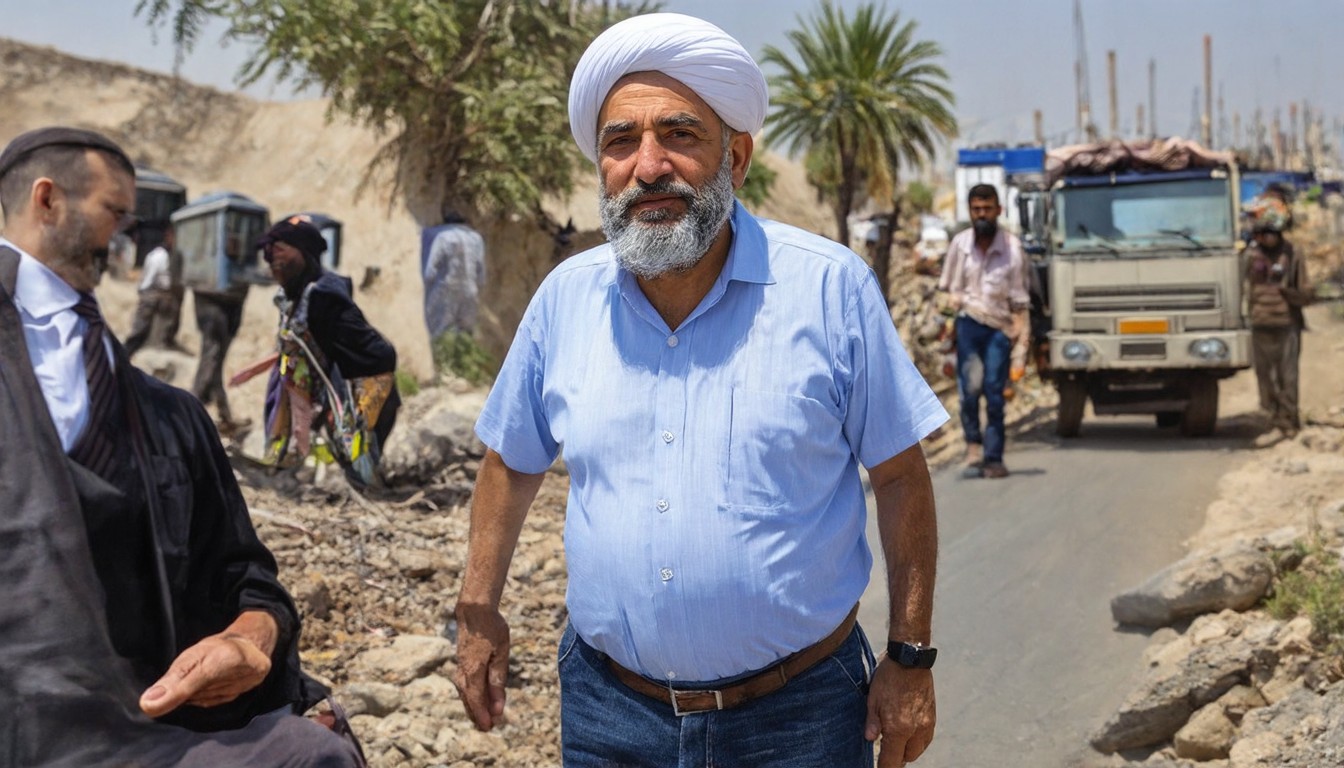
As the looming deadline set by U.S. President Donald Trump approaches, Iranians are bracing themselves for potential infrastructure strikes. The threat, which demands that Iran open the Strait of Hormuz, has sent ripples of anxiety through the country, particularly among ordinary citizens who are now preparing for the possibility of disruptions to their daily lives.
The Strait of Hormuz, a narrow waterway between the Persian Gulf and the Gulf of Oman, is a critical chokepoint for global oil supply, with approximately 30% of the world's oil passing through it. Iran has long maintained control over this strategic route, and the U.S. has accused Tehran of threatening to block the strait, a move that could destabilize global energy markets. In response, Trump has issued a stark warning, stating that the U.S. would "take out" Iran's power plants and bridges if the country did not comply with his demands.
This ultimatum has not gone unnoticed by Iranians, who are now grappling with the potential consequences of such an escalation. Many are stocking up on essentials, fearing that strikes could disrupt electricity, water, and transportation services. Power plants, which are considered prime targets, are essential for maintaining the country's energy grid, and any disruption could plunge parts of the nation into darkness.
Bridges, too, are vital for Iran's infrastructure, connecting cities and enabling the movement of goods and people. The destruction of key bridges could isolate communities, disrupt trade, and hinder emergency services. Ordinary Iranians, who have already endured years of economic hardship and political unrest, are now bracing for the possibility of further disruption.
In addition to the immediate concerns about infrastructure, there is also a growing sense of unease about the broader implications of such a conflict. The U.S. has a history of targeting Iranian infrastructure, including oil refineries and military installations, and the prospect of renewed hostilities has fueled fears of a prolonged and costly war. Many Iranians are wary of the potential for a full-scale military engagement, which could lead to civilian casualties and further economic devastation.
Despite the mounting tension, the Iranian government has remained defiant, insisting that it will not back down from its demands for respecting its sovereignty and territorial waters. Officials have dismissed the U.S. threats as bluster, emphasizing that Iran is capable of defending its interests and infrastructure. However, the reality on the ground is that ordinary Iranians are left to navigate an uncertain future, their lives potentially upended by the geopolitical machinations of their leaders.
As the deadline looms, the stakes could not be higher. The threat of infrastructure strikes has forced Iranians to confront the very real possibility of a more unstable and volatile region. While the U.S. and Iran continue to clash over the Strait of Hormuz, the everyday lives of Iranians are increasingly at risk, as they brace themselves for the potential consequences of a conflict that seems to be escalating out of control.
In the face of such uncertainty, ordinary Iranians are taking matters into their own hands. Neighborhood watch groups are forming, and communities are pooling resources to ensure that they are prepared for any eventuality. Some have even taken to social media, sharing tips and advice on how to stay safe and secure during potential strikes.
The situation is further complicated by the ongoing COVID-19 pandemic, which has already strained Iran's healthcare system and exacerbated economic woes. The prospect of additional disruptions is a cause for concern, as the country struggles to manage the dual crises of a global health emergency and geopolitical tension.
As the world watches the unfolding drama, the question remains: will the U.S. and Iran find a diplomatic resolution, or will the threat of infrastructure strikes escalate into a full-blown conflict? For now, Iranians are left to brace themselves, their lives increasingly dependent on the decisions of those in power.
In the shadow of potential strikes, ordinary Iranians are forced to confront the harsh realities of their situation. The threat of destruction hangs over their heads, and the future is anything but certain. As they prepare for the worst, they are left to wonder whether the geopolitical games being played at the highest levels will ultimately come at a devastating cost to their daily lives.
The situation in Iran is a stark reminder of the ways in which global tensions can ripple out and affect ordinary people. As the U.S. and Iran continue to clash over the Strait of Hormuz, the lives of millions of Iranians hang in the balance, their future uncertain as they brace themselves for the potential consequences of a conflict that seems to be spiraling out of control.








