
Welthandel: Nach EU-Kritik – China legt neue Regeln für Online-Geschäft vor
Die Europäische Union hat kürzlich ein härteres Zollsystem beschlossen. Der Import von gefährlichen und illegalen Gütern soll eingeschränkt werden. China hat nun neue Regeln aufgestellt.
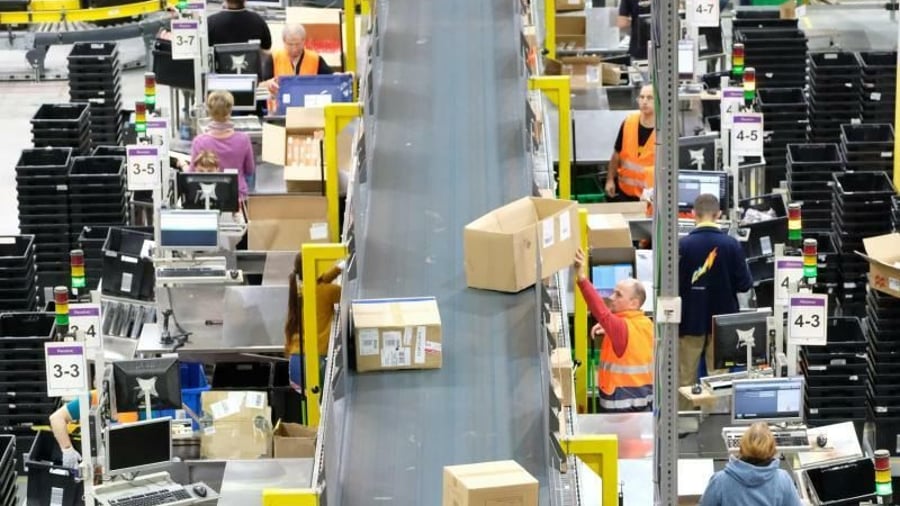
In response to recent criticism from the European Union, China has introduced new rules for online businesses, aiming to address concerns about the import of dangerous and illegal goods. The EU's decision to implement a stricter customs system has prompted China to take action, demonstrating the growing tension in global trade relations.
The European Union's new customs measures are part of a broader effort to protect its markets and consumers from hazardous products. Officials in Brussels have long expressed concerns about the influx of goods that pose risks to public health and safety, as well as those that violate intellectual property rights. By tightening import controls, the EU hopes to reduce the flow of such items, ensuring that only legitimate and safe products enter its territories.
China's response to this EU initiative highlights the sensitivity of the trade relationship between the two giants. The country, known for its vast e-commerce sector, has been a significant source of imports for the EU. However, recent years have seen growing scrutiny over the quality and safety of goods shipped from China, particularly those sold through online platforms.
Under the new rules, Chinese online businesses must now adhere to stricter guidelines regarding the sale and export of products. These regulations include enhanced due diligence processes to identify and prevent the sale of illegal or dangerous items. Additionally, China has pledged to increase transparency in its supply chains, allowing for better monitoring and enforcement of these new standards.
The implementation of these rules is expected to have a significant impact on the way Chinese e-commerce operators conduct business, particularly those targeting European markets. Many companies may need to overhaul their existing processes to comply with the new requirements, which could lead to increased operational costs. However, the Chinese government has emphasized that these measures are necessary to maintain the trust and confidence of international partners, including the EU.
The EU's decision to impose stricter customs rules has been met with mixed reactions. While some argue that it is a necessary step to protect consumers and maintain a level playing field, others contend that it could lead to protectionist practices and harm small businesses. Similarly, China's new regulations raise questions about their effectiveness in curbing the sale of illegal goods and whether they will be sufficient to address EU concerns.
As both sides continue to navigate these trade tensions, it remains to be seen how these new rules will shape the future of their relationship. The EU's focus on safeguarding its markets and consumers is a clear signal of its priorities, while China's proactive approach demonstrates its commitment to addressing these concerns. Ultimately, the success of these measures will depend on their ability to strike a balance between trade openness and the protection of public interests.
In the coming months, it will be crucial for both the EU and China to closely monitor the implementation of these new rules and engage in constructive dialogue. By working together, they can ensure that global trade remains fair, transparent, and safe for all parties involved. The challenge ahead is to find a middle ground that upholds the principles of free trade while safeguarding consumers from the risks posed by dangerous and illegal goods.








