
Web3 & Metaverse: The Next Big Thing for Brands – Full List
Words Cyril Foiret The web3 and metaverse spaces are the next frontier of digital innovation, and it’s no surprise that all the major brands are clamoring to get in on the action. With the ability to create immersive, interactive experiences that blur the lines between the digital and physical worlds (think Phygital) , the potential for brand engagement and customer loyalty is limitless. Plus, the decentralized nature of web3 technology allows for greater transparency and security in the digital marketplace, making it a […]
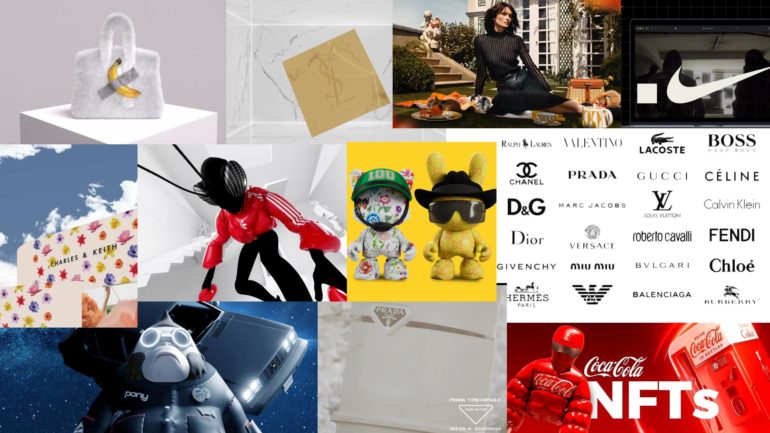
The web3 and metaverse spaces are the next frontier of digital innovation, and it's no surprise that all the major brands are clamoring to get in on the action. With the ability to create immersive, interactive experiences that blur the lines between the digital and physical worlds (think Phygital), the potential for brand engagement and customer loyalty is limitless. Plus, the decentralized nature of web3 technology allows for greater transparency and security in the digital marketplace, making it a compelling opportunity for businesses to redefine their presence and interactions with consumers.
In recent years, the metaverse has emerged as a concept that combines virtual reality, augmented reality, and blockchain technology to create a shared, digital space where users can interact with each other and brands in unprecedented ways. This immersive environment offers a unique opportunity for brands to build deeper connections with their audiences, fostering loyalty and driving engagement through interactive experiences.
One of the key advantages of the metaverse is its ability to merge the digital and physical realms. By leveraging technologies like augmented reality (AR) and virtual reality (VR), brands can create phygital experiences that seamlessly blend the two. For example, a consumer might interact with a brand's virtual store in the metaverse, then receive a physical product delivered to their doorstep. This fusion of digital and physical elements can enhance customer experiences and drive sales, as seen in the growing popularity of AR shopping features in apps like IKEA Place and Sephora's virtual try-on tools.
The decentralized nature of web3 technology also offers significant benefits for brands. Unlike traditional centralized platforms, web3 systems are built on blockchain, which ensures transparency, security, and ownership. This means that brands can build trust with their customers by demonstrating transparency in their operations, supply chains, and marketing practices. Additionally, the decentralized model empowers users with more control over their data and interactions, fostering a sense of community and ownership that can be attractive to certain demographics.
Major brands are already beginning to explore the web3 and metaverse spaces. For instance, Nike has launched a virtual sneaker drop in the Roblox metaverse, showcasing its commitment to the digital frontier. Other companies, such as McDonald's and Coca-Cola, have also invested in virtual and augmented reality experiences to engage with consumers in new ways.
However, the web3 and metaverse spaces are still in their early stages, and there are challenges for brands to navigate. One of the primary concerns is user adoption and accessibility. The metaverse requires specialized hardware, such as VR headsets, which can be expensive and limit its reach. Additionally, the fragmented nature of the metaverse—with multiple platforms and standards—can make it difficult for brands to establish a consistent presence.
Despite these challenges, the potential rewards for brands investing in web3 and the metaverse are significant. By embracing these innovative spaces, companies can create unique, engaging experiences that differentiate them from competitors and foster deep connections with their audiences. As the metaverse continues to evolve, it will be crucial for brands to stay at the forefront of digital innovation to capitalize on the limitless opportunities it presents.
In conclusion, the web3 and metaverse spaces represent a transformative frontier for digital innovation, offering brands the chance to redefine their interactions with consumers. Through immersive, phygital experiences and the decentralized benefits of web3 technology, companies can build brand loyalty, enhance engagement, and establish a competitive edge in the digital marketplace. As the metaverse matures, brands must remain agile and adaptable to seize these opportunities and shape the future of digital experiences.









