‘We sent guns to the protesters…Kurds took them’: Trump’s explosive claim; alleges Iran ‘slaughtered’ 45,000 protesters
Trump alleged that the Iranian government “slaughtered” 45,000 people during recent anti-regime protests. However, no official figures have been released by Iran, with estimates from activists and reports varying widely.
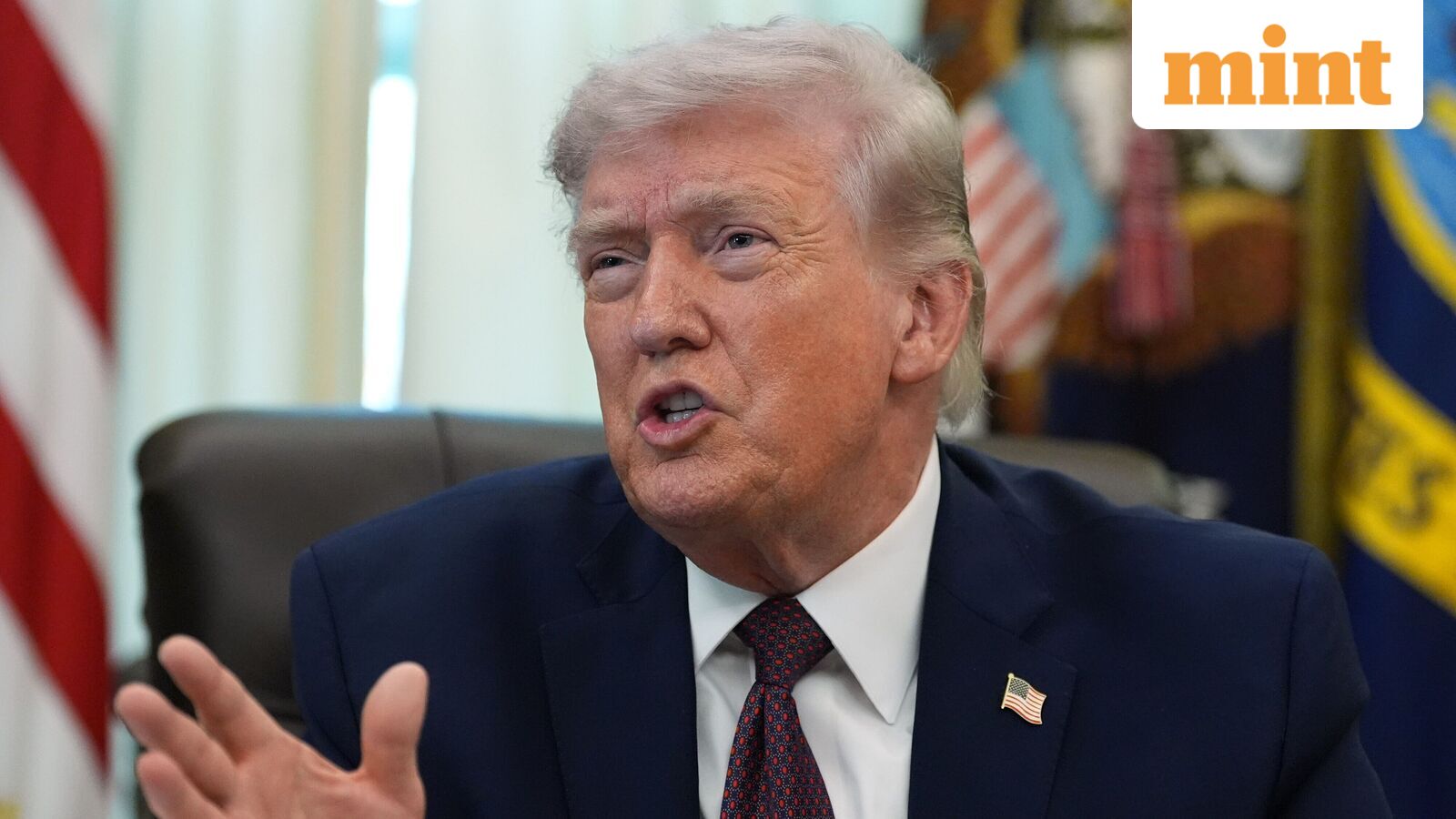
On October 1, 2022, former U.S. President Donald Trump made a shocking claim during a speech in Florida, alleging that the Iranian government had “slaughtered” 45,000 protesters during recent anti-regime demonstrations. Trump’s statement came as part of a broader critique of the Biden administration’s foreign policy, particularly its handling of Iran. The allegations have sparked international attention and debate, as no official figures have been released by Iran, and estimates from activists and reports vary widely.
Trump’s claims were delivered during a rally in Fort Myers, Florida, where he addressed a crowd of supporters. He accused the Iranian government of committing “unspeakable” acts of violence against its own people, who had taken to the streets demanding political and economic reforms. The former president claimed that the Iranian regime had used live ammunition, tear gas, and other forms of lethal force to suppress the protests, resulting in the deaths of tens of thousands of civilians.
“They’ve slaughtered 45,000 people,” Trump said, his voice rising with emotion. “And nobody is paying any attention. The world is turning a blind eye.”
Trump’s allegations are not without precedent. Since September 2022, Iran has been witnessing its most significant wave of anti-government protests in decades. Initially sparked by the tragic death of Mahsa Amini, a 22-year-old woman who died in police custody after being detained for allegedly improperly wearing a hijab, the protests have rapidly expanded in scope and scale. Demonstrators have taken to the streets in cities across the country, demanding an end to the strict enforcement of Islamic dress codes, greater political freedoms, and improved economic conditions.
The Iranian government has responded with brutal force, using its security forces to disperse protesters and crack down on dissent. Reports from activists and human rights organizations have detailed widespread use of live ammunition, arbitrary arrests, and torture by security forces. The United Nations and other international bodies have called for an end to the violence and an independent investigation into the government’s actions.
Despite these calls, the Iranian government has refused to acknowledge the scale of the crackdown. Official state media has dismissed the protests as the work of “foreign agents” and “counter-revolutionaries,” while state-run news outlets have downplayed the severity of the situation. This has made it difficult to determine the true number of casualties, with estimates ranging from a few hundred to several thousand deaths.
Trump’s claim of 45,000 deaths falls at the higher end of this spectrum. The former president did not provide any specific sources or evidence to back up his allegations, but he did accuse the Biden administration of being complicit in the silence surrounding the situation. “Why isn’t this a big story?” Trump demanded. “Why aren’t they talking about it?”
Critics of Trump have pointed out that his claims are unverified and likely exaggerated. They note that no credible independent sources have corroborated the 45,000 figure, and that such a high death toll would likely have been reported by Iranian state media or international observers if it were true.
Moreover, Trump’s allegations have been met with skepticism in Iran itself. Activists and journalists on the ground have reported that while the crackdown has been brutal, the death toll is likely not as high as Trump suggests. They point to the fact that many protesters have taken to the streets in large numbers, suggesting that the regime’s suppression efforts, while severe, have not completely quashed popular support for the protests.
Despite the controversy surrounding his claims, Trump’s accusations have drawn attention to the plight of Iran’s protesters and the broader geopolitical implications of the situation. The protests have been seen as a challenge to the Islamic Republic’s legitimacy and a test of the Biden administration’s willingness to confront Iran’s human rights abuses.
The Biden administration has been cautious in its response to the situation, avoiding direct confrontation with Iran while condemning the government’s use of force against its own people. U.S. Secretary of State Antony Blinken has called for an end to the violence and urged Iran to engage in dialogue with its citizens.
However, Trump’s claims have reignited calls for stronger U.S. action in support of the protesters. Some Republicans have urged the administration to provide more direct support, including supplying non-lethal aid or even arms to the demonstrators. This has led to tensions within the U.S. government, with some officials expressing concerns about escalating the situation further.
In the meantime, the protests in Iran continue, with demonstrators facing a harsh reality of arbitrary arrests, torture, and violence from security forces. The true number of casualties remains unknown, but one thing is clear: the situation in Iran is a stark reminder of the challenges faced by those seeking political and economic freedom in authoritarian regimes.
As the international community debates how to respond to the crisis, Trump’s explosive claim serves as a stark warning about the dangers of silence and inaction. Whether his allegations are accurate or not, they highlight the urgent need for the world to pay attention to the plight of Iran’s protesters and demand accountability from those who would seek to suppress their right to peacefully demand change.