
"WE GOT HIM!," Trump declares after U.S. airman rescued deep inside Iran
President Trump hailed the rescue of a U.S. airman who was missing almost two days inside Iran — and threatened to hit power plants if Iran doesn't reopen the Strait of Hormuz.
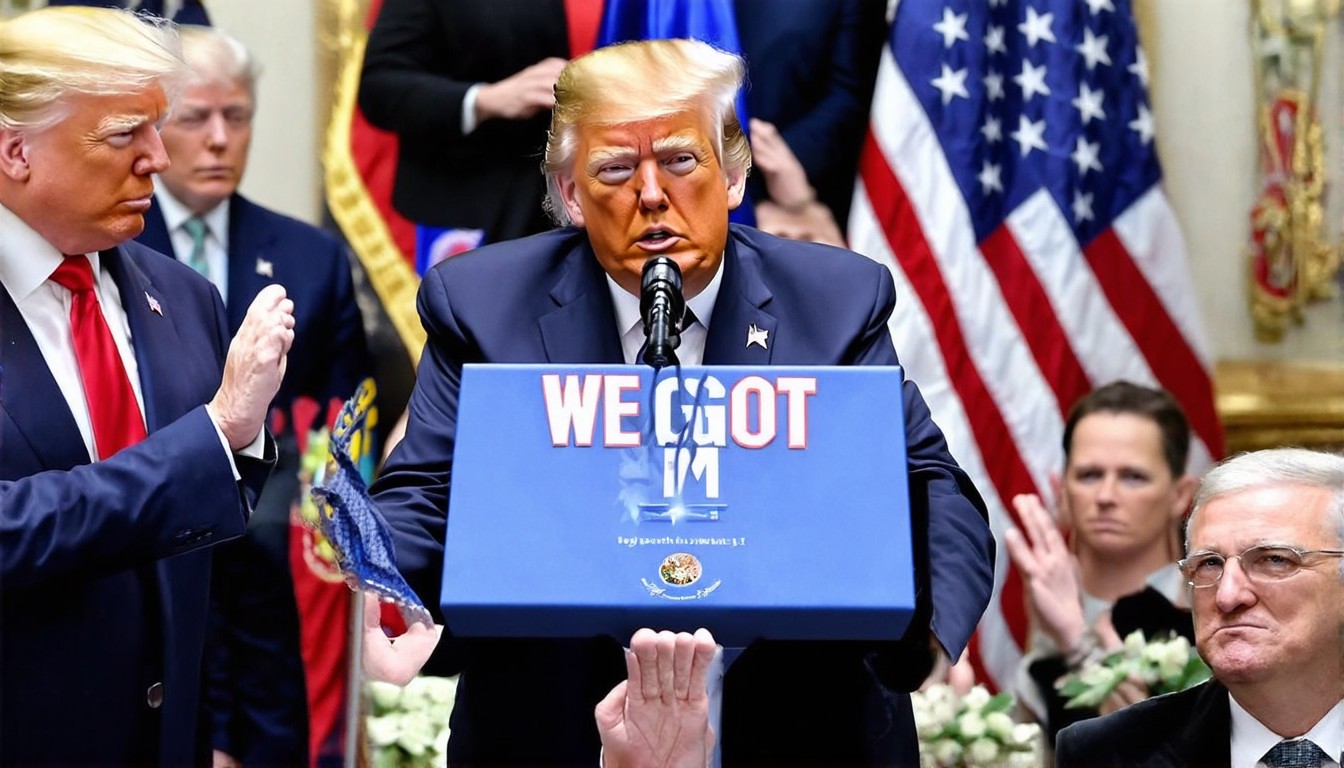
President Donald Trump declared victory in a tweet, exclaiming, "WE GOT HIM!," after a U.S. airman who had been missing in Iran for nearly two days was successfully rescued. The dramatic rescue operation underscored the tense geopolitical situation between the United States and Iran, with Trump also warning that the U.S. would target Iranian power plants if the country continues to block the Strait of Hormuz.
The incident began when an American drone, reportedly used for surveillance, was shot down by the Iranian Revolutionary Guard Corps near the Strait of Hormuz on June 20. The drone, which was operating in international waters, was targeted after allegedly entering Iranian airspace. The U.S. initially denied the drone was in Iranian territory, but later acknowledged it had been conducting a reconnaissance mission in the region.
The downing of the drone sparked immediate concerns for the safety of the airman on board, whose identity was not immediately disclosed. U.S. officials worked tirelessly to secure his release, with negotiations reportedly taking place between Washington and Tehran. The situation escalated when Iranian officials initially refused to confirm the airman's capture, further complicating efforts to negotiate his release.
Despite the challenges, the U.S. managed to secure the airman's release through a covert operation. The details of the rescue remain classified, but it is understood that the airman was extracted from Iran and flown back to the United States. Trump's triumphant tweet marked the conclusion of a high-stakes diplomatic standoff that had captivated the world for nearly two days.
The rescue operation comes at a critical time for U.S.-Iran relations, which have been strained since the U.S. withdrew from the 2015 nuclear deal with Iran in 2018. Tensions have risen significantly in recent months, particularly after the U.S. imposed new sanctions on Iran and increased military presence in the Middle East. The Strait of Hormuz, a crucial chokepoint for global oil shipments, has been a focal point of these tensions, with both nations vying for control of the strategic waterway.
In his tweet, Trump not only celebrated the airman's rescue but also issued a stark warning to Iran. He threatened to strike Iranian power plants if the country continues to block the Strait of Hormuz. This move would have severe consequences for the global oil market, as the strait accounts for about 30% of global crude oil production. Trump's warning underscores the administration's determination to assert U.S. dominance in the region and to counter perceived Iranian aggression.
Iranian officials have responded to the U.S. threats with their own, warning that any attack on their power plants would lead to a full-scale war. The situation remains precarious, with both nations positioning themselves for potential conflict. The rescue of the U.S. airman, while a positive development, has not necessarily deescalated tensions; instead, it has highlighted the volatile nature of the ongoing geopolitical rivalry.
The rescue operation has been praised by some as a demonstration of U.S. resolve and capability in the face of adversity. Critics, however, argue that the incident was a product of reckless U.S. actions and that the threat to Iranian power plants could further escalate the situation. Regardless of the perspective, the rescue of the airman and the subsequent threats from Trump have underscored the urgent need for diplomatic engagement and de-escalation in the region.
As the world watches the unfolding drama between the U.S. and Iran, the rescue of the airman serves as a stark reminder of the complexities and dangers of modern geopolitics. The situation in the Strait of Hormuz and the broader U.S.-Iran rivalry will continue to shape global politics, with the potential for both conflict and cooperation. The outcome of this tense standoff will have far-reaching implications for the Middle East, the global economy, and international security.








