WB Corruption Allegations Explained: From School Jobs Scam To ‘Charge Sheets’ Politics
Corruption scams dominate West Bengal politics as TMC and BJP trade charges before 2026 polls, with key TMC leaders out on bail and BJP pushing aggressive campaign attacks.
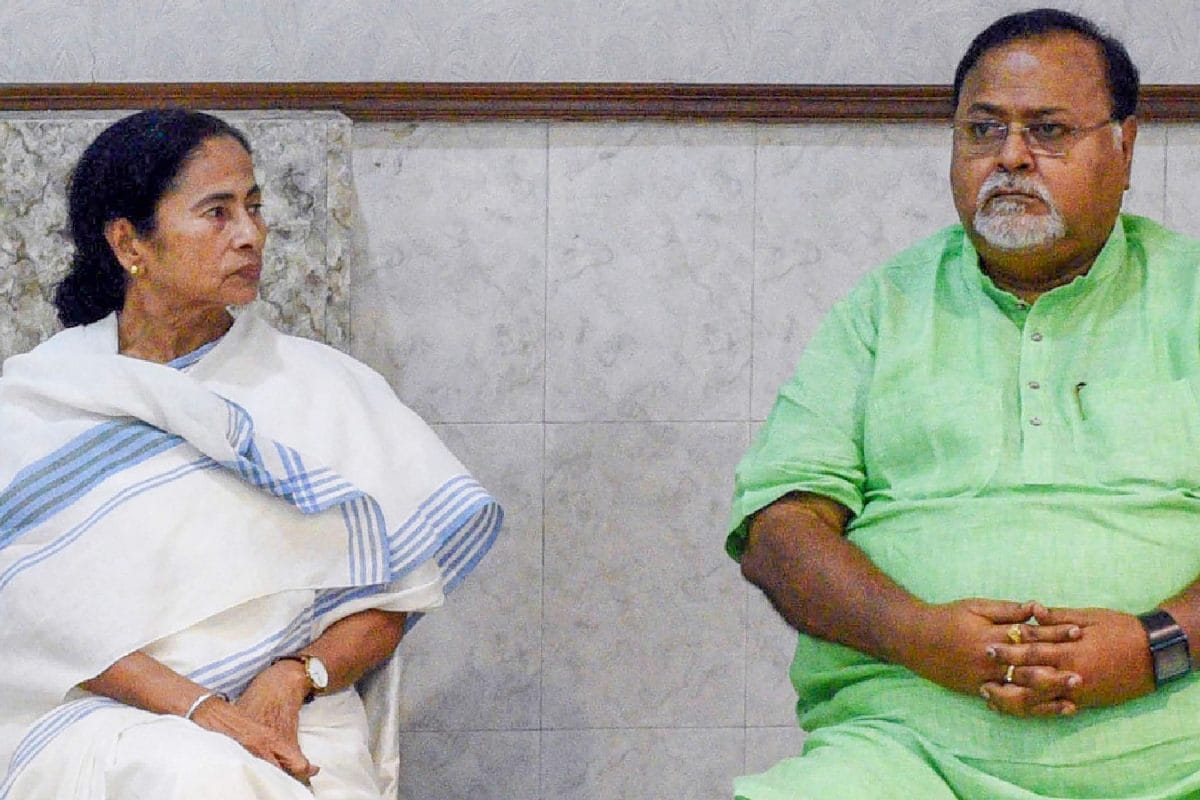
In the bustling political landscape of West Bengal, corruption allegations have once again taken center stage, casting a shadow over the upcoming 2026 elections. The state, known for its vibrant democracy and diverse culture, is currently witnessing a surge in scandals that involve both the Trinamool Congress (TMC) and the Bharatiya Janata Party (BJP). These allegations are not only tarnishing the image of the political parties but also highlighting the deep-rooted issues plaguing the region's governance.
The corruption scandals in West Bengal have taken multiple forms, with one of the most prominent being the school jobs scam. This particular allegation revolves around the manipulation of educational appointments, where political influence is used to secure jobs for individuals, often at the expense of merit and competence. The TMC, led by Chief Minister Mamata Banerjee, has been at the center of these allegations, with several key leaders facing charges related to this scam.
The school jobs scam has been a recurring issue in West Bengal, with each election cycle bringing new revelations. Critics argue that the TMC has turned the appointment process into a tool for political patronage, rewarding loyalists with lucrative positions. This practice not only undermines the integrity of the education system but also breeds resentment among the general populace, who feel that the political elite is prioritizing personal gain over public interest.
In addition to the school jobs scam, another significant issue plaguing West Bengal's political sphere is the manipulation of 'charge sheets.' Charge sheets are legal documents that outline the specific allegations against an individual accused of a crime. In West Bengal, these documents have become a tool for political rivalry, with both the TMC and BJP engaging in a battle for control over the judicial system.
The BJP, the primary opposition party in the state, has been particularly vocal in its criticism of the TMC's alleged manipulation of charge sheets. The BJP claims that the TMC government is using its influence within the judiciary to delay or dismiss cases against its leaders, allowing them to continue engaging in corrupt practices unchecked. This allegation has led to widespread calls for judicial reform and transparency, as citizens demand accountability from their elected representatives.
The BJP's aggressive campaign attacks against the TMC have intensified in the lead-up to the 2026 elections, with the party leveraging these corruption allegations to gain political capital. The BJP has been relentless in its efforts to paint the TMC as a corrupt and unaccountable force, promising a cleaner and more transparent governance if elected.
On the other hand, the TMC has vehemently denied these allegations, accusing the BJP of engaging in baseless accusations to undermine its popularity. The party has also pointed to its record of development and social welfare initiatives, arguing that these outweigh any perceived corruption.
Despite these denials, key TMC leaders have been granted bail in several corruption cases, further fueling public skepticism. The bail decisions have been met with mixed reactions, with some viewing them as a reflection of the judiciary's independence, while others see them as evidence of a cover-up by the political establishment.
The interplay between politics and corruption in West Bengal is a complex one, with both the TMC and BJP engaging in a delicate dance of accusations and counter-accusations. The upcoming 2026 elections will be a pivotal moment for the state, as citizens are expected to weigh the merits of these allegations and decide on their political future.
While corruption scandals are not unique to West Bengal, the state's electoral dynamics have made these allegations particularly potent. The TMC's dominance in the region, coupled with the BJP's aggressive campaign, has created a volatile political environment. As the 2026 elections approach, it remains to be seen whether these corruption allegations will sway public opinion and ultimately shape the political landscape of West Bengal.
In conclusion, the corruption allegations in West Bengal, ranging from the school jobs scam to the manipulation of charge sheets, highlight the deep-seated issues within the state's political system. The TMC and BJP's battle for control over these allegations is not only a reflection of their political rivalry but also a testament to the public's growing demand for accountability and transparency. As the 2026 elections loom, the people of West Bengal face a crucial decision, one that could determine the future of their state and its governance.