
Watermelon in the Lab and the Field: Breeding the Perfect Bite
Modern watermelon breeding has evolved from boosting yield and sweetness to optimizing the entire value chain. Driven by seedless demand, fresh-cut growth, and quality-focused European markets, breeders now balance flavor, texture, shelf life, transport resilience, and convenience. In this Seed World Europe feature, leading breeders explain how genetics, technology, and long-term investment are reshaping watermelon to meet grower, retailer, and consumer expectations. The post Watermelon in the Lab and the Field: Breeding the Perfect Bite appeared first on Seed World .
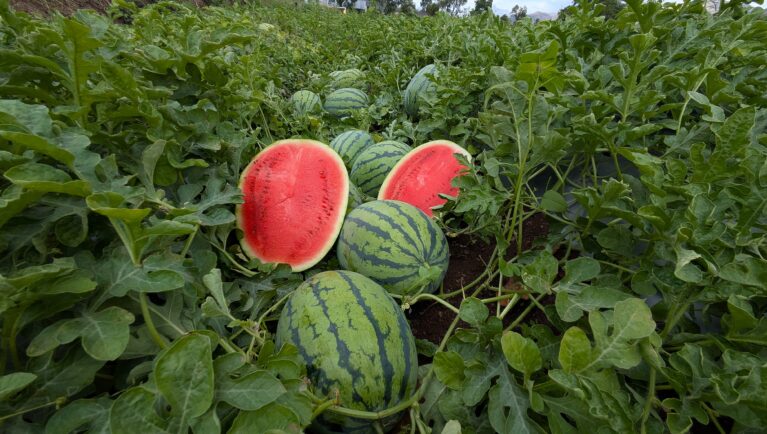
Watermelon in the Lab and the Field: Breeding the Perfect Bite
Watermelon, a fruit steeped in cultural significance and consumer expectations, has become a focal point for modern breeding strategies. Gone are the days when breeders focused solely on yield, sweetness, and color. Today, the goal is to optimize the entire value chain, balancing flavor, texture, shelf life, transport resilience, and convenience. This shift is driven by the demand for seedless varieties, the growth of fresh-cut markets, and the quality-focused expectations of European consumers.
Globally, watermelon production exceeds 100 million tonnes annually, making it one of the most widely consumed fruits. Europe, however, stands out as a market that values quality above all else. The continent's preferences for seedless watermelons, mini formats, and fresh-cut options have significantly influenced breeding strategies. Breeders now prioritize not just the taste and appearance of the fruit but also its performance in the field, shelf life, and ability to withstand transportation challenges.
In a two-part feature, Seed World Europe delves into the evolving landscape of watermelon breeding. Through conversations with leading breeders, we explore how breeding targets have shifted, how seedless systems have reshaped strategies, and how genetics, technology, and long-term investment are redefining the modern watermelon.
The modern watermelon breeding program is no longer a single, straightforward path. It has transformed into a multi-lane motorway, with growers, shippers, retailers, processors, and consumers all driving at different speeds, each with their own expectations. Breeders must navigate this complex network to ensure that the watermelon they develop meets the diverse needs of all stakeholders.
One of the most significant trends shaping watermelon breeding is the demand for seedless varieties. Seedless watermelons offer consumers a more convenient and visually appealing product, as they eliminate the need for seed removal. This has led breeders to focus on developing seedless systems that maintain the desirable traits of traditional watermelons while eliminating seeds.
Another critical factor influencing watermelon breeding is the growth of fresh-cut markets. Fresh-cut watermelon, often sold in pre-portioned pieces or as melon balls, has become increasingly popular in Europe and other regions. Breeders are now working to develop watermelon varieties that are well-suited to fresh-cut processing, ensuring that the fruit maintains its quality and freshness after cutting.
In addition to these market-driven factors, breeders are also investing in long-term research to improve watermelon performance in the field and post-harvest. Advances in genetics and technology have enabled breeders to develop varieties with enhanced shelf life, better resistance to pests and diseases, and improved transport resilience. These traits are crucial for ensuring that watermelons arrive at retail outlets in peak condition, meeting the high expectations of consumers and retailers alike.
The evolution of watermelon breeding is a testament to the dynamic nature of the seed sector. As consumer preferences and market demands continue to shift, breeders must remain adaptable and innovative to meet the changing landscape. By focusing on the entire value chain and leveraging the latest scientific advancements, breeders are poised to deliver watermelons that not only satisfy but exceed the expectations of growers, retailers, and consumers alike.
In conclusion, the modern watermelon breeding journey is a complex and multifaceted endeavor. It requires breeders to balance a multitude of factors, from flavor and texture to shelf life and transport resilience. Driven by seedless demand, fresh-cut growth, and quality-focused European markets, breeders are redefining the watermelon to meet the diverse needs of the modern value chain. Through strategic breeding, technological innovation, and long-term investment, the perfect bite is within reach.









