
Watch this video of how a job interviewer exposes a North Korean fake IT worker
An apparent North Korean worker was caught visibly stumped during a remote job interview when asked to insult the country's leader.
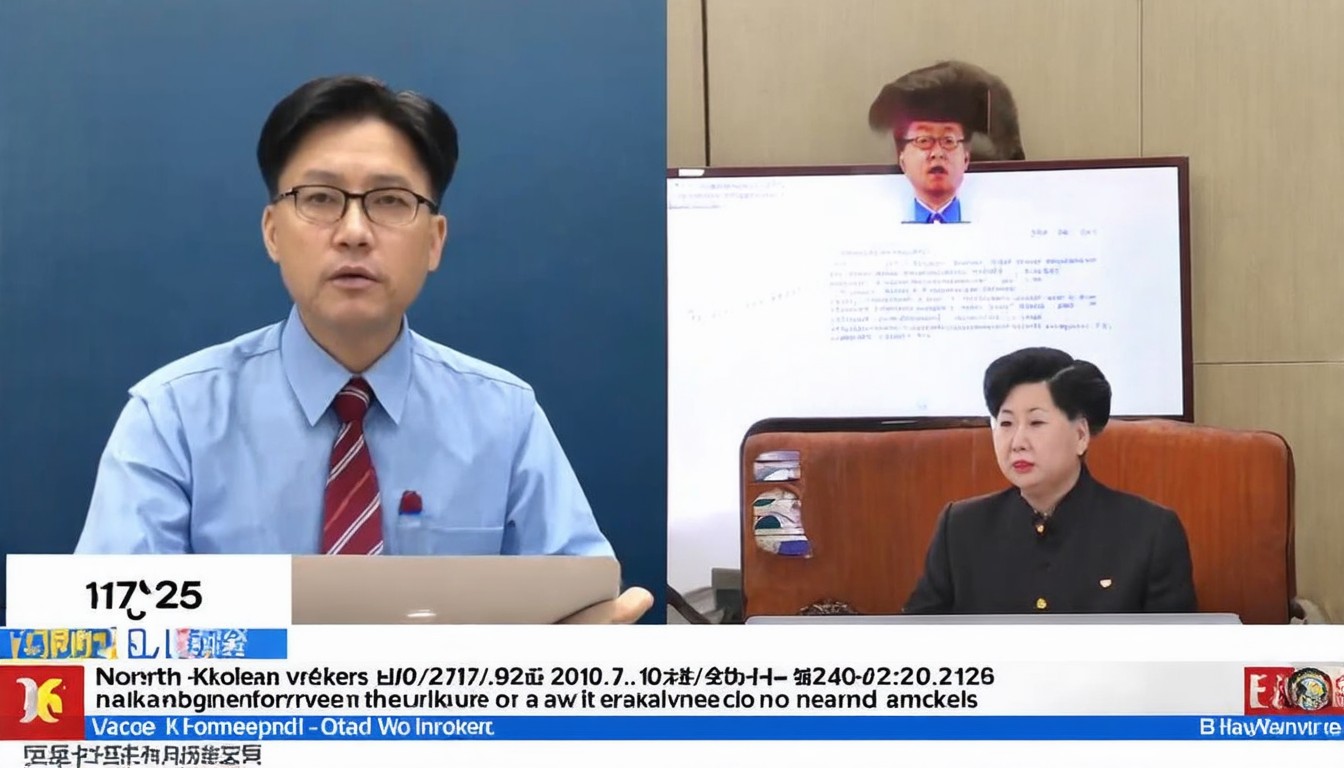
In a surprising turn of events, a video has gone viral online, revealing a North Korean worker's struggle during a remote job interview. The incident highlights the challenges faced by individuals from North Korea seeking employment abroad, as well as the unique dynamics of their interactions with potential employers.
The video, which has been widely shared on social media platforms, captures the moment when the job interviewer posed an unusual question to the candidate. The interviewer asked the individual to "insult the country's leader," presumably referring to North Korea's leader, Kim Jong Un. The candidate, visibly taken aback, struggled to respond, revealing a clear discomfort with the request.
This incident has sparked a global conversation about the realities faced by North Koreans seeking work outside their country. Many defectors or workers from North Korea often find themselves in precarious situations, as they navigate the complexities of adapting to new cultures and work environments. The video serves as a stark reminder of the challenges they encounter, particularly when dealing with questions that test their loyalty or understanding of their home country's political landscape.
The job interview scenario in the video appears to be part of a process designed to assess the candidate's suitability for a position. However, the question about insulting the leader seems to be an unusual and potentially unethical way to evaluate a candidate's character or political stance. It raises questions about the interviewer's intentions and the broader context of the job market for North Koreans.
North Koreans who leave their country often do so due to economic hardships or a desire for freedom. Many seek employment in neighboring countries like China or South Korea, or further afield in Europe or Asia. However, the video suggests that such individuals may face unexpected hurdles during the hiring process, as they are subjected to questions that test their loyalty or knowledge of their home country's regime.
The incident has been met with mixed reactions from viewers. Some have expressed concern about the ethics of asking such a question, while others have highlighted the challenges faced by North Koreans in the global job market. The video has also drawn attention to the need for greater awareness and sensitivity when interviewing candidates from different cultural and political backgrounds.
In the aftermath of the video's release, there have been calls for more empathy and understanding when dealing with North Korean workers. Many argue that these individuals have already faced significant hardships in leaving their country and should not be subjected to further scrutiny or discrimination during the job interview process.
The incident also raises questions about the role of job interviews in assessing a candidate's suitability for a position. While interviews are a common tool for employers to gauge a candidate's skills and personality, the video suggests that they can sometimes inadvertently expose cultural or political sensitivities that are not relevant to the job at hand.
In conclusion, the video of the North Korean worker's interview has shed light on the complex realities faced by individuals from North Korea seeking employment abroad. It serves as a reminder of the need for empathy, understanding, and sensitivity when dealing with candidates from diverse backgrounds. As the global job market continues to grow and diversify, it is crucial for employers to approach interviews with a sense of cultural awareness and respect for all candidates, regardless of their origins.








