
Watch: Overcoming Supply Chain Transformation and Digitization Failure
Failure in transformation projects occurs a lot, says William Wappler, chief executive officer of Surgere, but with the right governance that can be mitigated.
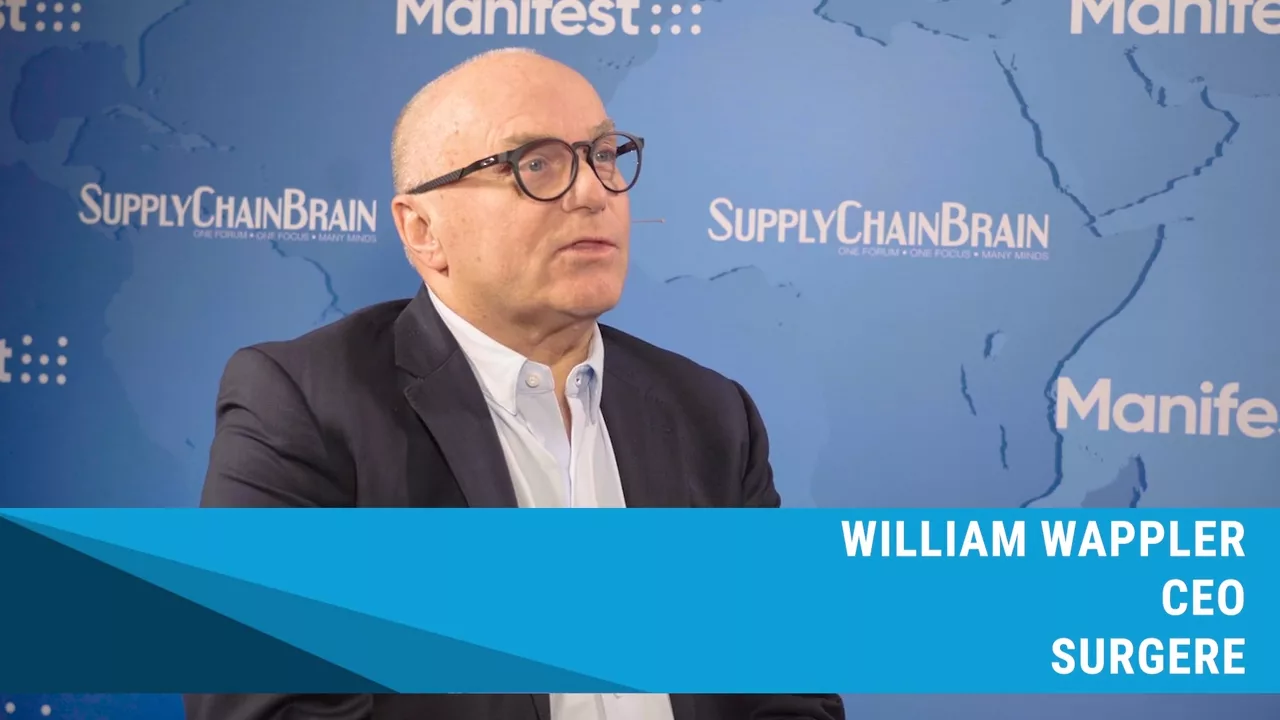
In recent years, the business world has witnessed a surge in supply chain transformation and digitization efforts, driven by the need for agility, cost efficiency, and improved customer experiences. However, despite the best intentions, many organizations have faced significant challenges and even outright failures in these initiatives. William Wappler, the chief executive officer of Surgere, a company specializing in supply chain transformation, has observed that such failures are more common than one might think. Yet, he emphasizes that with the right governance strategies, these setbacks can be mitigated, paving the way for successful transformations.
The root causes of supply chain transformation failures are multifaceted. Often, organizations embark on these projects without a clear understanding of their objectives or a well-defined strategy. This lack of direction can lead to misaligned priorities, inadequate resource allocation, and ultimately, unmet expectations. Additionally, the complexity of modern supply chains, which involve numerous stakeholders, technologies, and geographies, can make it difficult for companies to navigate the transformation process effectively.
Another critical factor contributing to failure is the inadequate management of change. Transitioning to a more digitized and agile supply chain requires not only technological investments but also a significant shift in organizational culture and employee behaviors. Without proper change management, resistance to new processes and technologies can hinder progress, leading to project delays or even abandonment.
Furthermore, the rapid pace of technological advancements poses another challenge. Companies that fail to keep up with emerging technologies or integrate them effectively into their supply chains may find themselves at a competitive disadvantage. This pressure to innovate can lead to rushed decisions and the adoption of solutions that do not fully address the organization's unique needs.
Despite these challenges, William Wappler believes that with the right governance, organizations can overcome these obstacles and achieve successful supply chain transformations. He highlights the importance of establishing a strong, cross-functional governance structure that ensures alignment across all levels of the organization. This structure should include representatives from various departments, such as operations, IT, finance, and procurement, to ensure that all perspectives are considered and that the transformation efforts are cohesive and well-coordinated.
Effective communication is another crucial aspect of governance. Wappler stresses the need for transparent and continuous communication throughout the transformation process, from the initial planning stages to the final implementation. This includes keeping stakeholders informed about progress, challenges, and any adjustments to the strategy. By fostering open dialogue and encouraging feedback, organizations can address issues promptly and adapt their approach as needed.
Moreover, the adoption of a data-driven approach can significantly enhance the success of supply chain transformations. By leveraging data analytics and insights, companies can identify inefficiencies, forecast demand more accurately, and optimize their operations. Wappler underscores the importance of investing in the right technologies and tools that enable organizations to harness the full potential of data.
Finally, Wappler advocates for a culture of continuous improvement and learning. Transformation projects are not one-time endeavors but rather ongoing processes that require constant evaluation and refinement. By embracing a mindset of continuous improvement, organizations can adapt to changing market conditions and technological advancements, ensuring that their supply chains remain resilient and competitive.
In conclusion, while supply chain transformation and digitization failures are prevalent, they are not insurmountable obstacles. With the right governance strategies, including strong cross-functional structures, effective communication, data-driven decision-making, and a culture of continuous improvement, organizations can mitigate these challenges and achieve successful transformations. As William Wappler of Surgere highlights, the key to overcoming these hurdles lies in the careful planning, collaboration, and adaptability that enable companies to navigate the complexities of modern supply chains and emerge stronger on the other side.









