Watch Fed Chair Jerome Powell speak live to an economics class at Harvard
This will be one of Powell's final scheduled public appearances before his term ends in May.
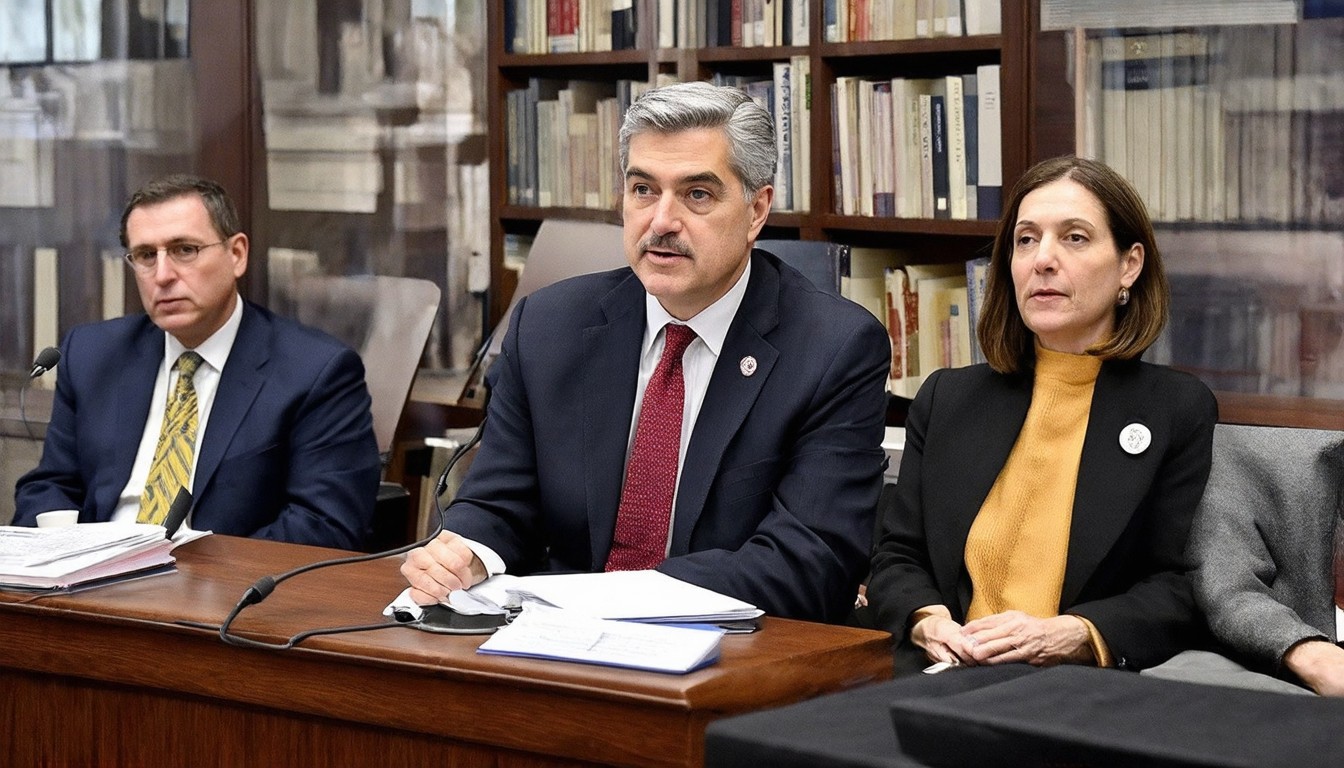
Jerome Powell, the current Chairman of the Federal Reserve, is set to deliver a live speech to an economics class at Harvard University. This event marks one of Powell's final public appearances before his term concludes in May. As the Fed Chair, Powell has played a pivotal role in shaping monetary policy during a period of significant economic challenges, including the COVID-19 pandemic and inflationary pressures.
The speech at Harvard is expected to provide an opportunity for students and scholars to engage directly with Powell, gaining insights into his perspective on current economic issues and the future of monetary policy. Given the ongoing debates surrounding inflation, interest rates, and the broader economic landscape, the audience is likely to be eager to hear Powell's thoughts on these matters.
Powell's tenure as Fed Chair has been marked by a focus on balancing price stability with maximum employment, as outlined in the dual-mandate framework of the Federal Reserve. His leadership has seen the Fed navigate complex economic terrain, including the unprecedented challenges posed by the pandemic. The Fed's response, which included aggressive easing measures to support the economy, has been a point of discussion among economists and policymakers alike.
As the term draws to a close, Powell's final public appearances offer a unique window into his reflections on the past few years and his vision for the future. The Harvard speech is particularly significant, as it provides an opportunity for a more intimate and focused discussion with a group of future economists and policymakers.
In addition to addressing current economic challenges, the speech may also touch upon broader themes such as the role of central banks in a changing global economy, the impact of technological advancements on financial systems, and the importance of international cooperation in addressing economic issues.
Harvard's reputation as a leading academic institution further underscores the significance of this event. The university's economics department is renowned for producing influential scholars and policymakers, and the opportunity for Powell to engage with this community is a testament to the Fed's commitment to fostering dialogue and collaboration with academic and professional circles.
While Powell's term as Fed Chair is nearing its end, his influence on economic policy and discourse will undoubtedly persist. The Harvard speech serves as a fitting conclusion to his tenure, offering a chance for reflection and discussion on the challenges and opportunities that lie ahead for the global economy.
In the weeks leading up to the event, speculation about the content of Powell's remarks has been rife. Analysts and observers are particularly interested in his views on inflation, which has been a focal point of Fed policy in recent years. With inflationary pressures remaining a concern, Powell's insights into the Fed's ongoing efforts to balance growth and stability are highly anticipated.
Moreover, the speech may provide insights into the potential direction of monetary policy under a new chairman. While Powell's successor has not yet been announced, the transition period is likely to be a topic of discussion, as it will shape the Fed's approach to economic challenges in the coming years.
In conclusion, Jerome Powell's live speech to an economics class at Harvard is a significant event that encapsulates the culmination of his tenure as Fed Chair. Offering a rare opportunity for direct engagement with future economists and policymakers, the speech promises to be a thought-provoking and insightful discussion on the state of the global economy and the role of central banking in addressing its complexities. As Powell prepares to step down, this final public appearance serves as a fitting tribute to his contributions and a glimpse into the economic landscape of the future.