
Waste water to clean energy: Japanese engineers harness the power of osmosis
A Japanese water plant is harnessing the natural process of osmosis to generate renewable energy that could one day become a common power source.
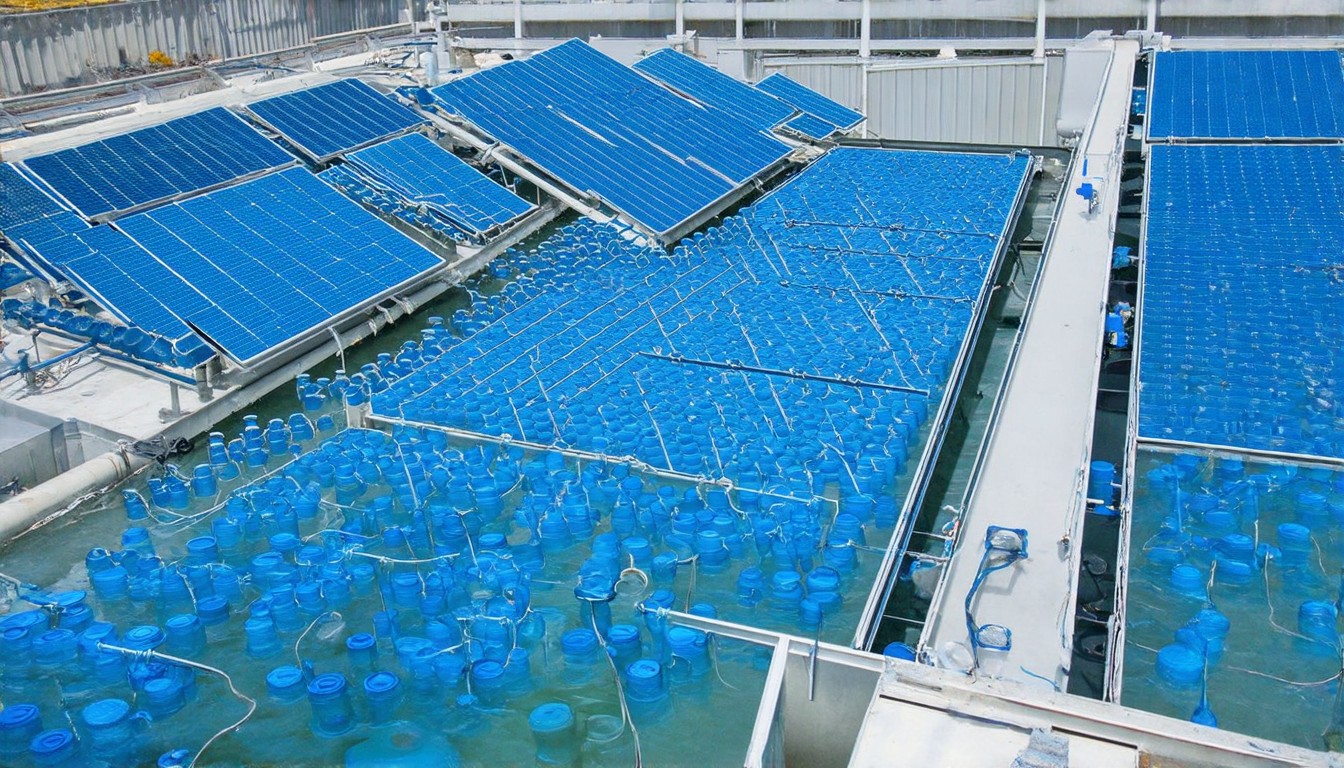
In a groundbreaking development in renewable energy, Japanese engineers have devised a novel method to harness the power of osmosis, a natural process that could revolutionize the way we generate electricity. This innovative approach, being tested at a water treatment plant in Japan, leverages the movement of water molecules across semipermeable membranes to produce clean energy.
Osmosis, the process by which water molecules pass through a membrane from an area of low solute concentration to high solute concentration, is typically associated with biological systems. However, the engineers at the Japanese water plant have repurposed this natural phenomenon for energy generation. By creating a system that mimics the osmotic process, they are able to generate electricity from waste water, a resource that is often overlooked in traditional energy production.
The plant's setup involves a series of membranes that separate waste water into two chambers. In one chamber, the water is concentrated, while the other contains diluted water. The difference in concentration drives the osmotic flow of water through the membranes. This movement of water is then converted into mechanical energy using turbines. The mechanical energy is subsequently transformed into electricity, providing a sustainable and renewable power source.
This technology not only addresses the issue of waste water management but also offers a potential solution to the global energy crisis. By converting waste water into electricity, the system reduces the environmental impact of waste treatment and provides a clean energy source. The energy generated can be used to power the water treatment plant itself, reducing its reliance on non-renewable energy sources.
The project is still in its early stages, but it holds significant promise for the future of renewable energy. If successful, this osmotic energy generation method could be scaled up and implemented in other water treatment facilities worldwide. It could also inspire further research into other natural processes that can be harnessed for energy production.
The Japanese engineers behind this innovation are part of a growing movement to find sustainable solutions to global energy challenges. By tapping into the power of nature, they are demonstrating that renewable energy sources are not limited to solar, wind, or hydroelectric power. Osmosis, a process that has been a part of biological systems for millions of years, now has the potential to become a common power source in the 21st century.
As the technology continues to be developed and refined, it will be crucial to monitor its environmental impact and ensure that it does not inadvertently harm ecosystems. However, if managed responsibly, osmotic energy generation could provide a sustainable and efficient alternative to traditional energy sources.
In conclusion, the Japanese water plant's pioneering use of osmosis to generate renewable energy represents a significant leap forward in sustainable technology. By converting waste water into electricity, this innovative approach not only addresses environmental concerns but also offers a potential solution to the global energy challenge. As the technology matures, it could become a common power source, demonstrating that the natural world holds endless potential for innovation and sustainability.









