
Waste water to clean energy: Japanese engineers harness the power of osmosis
A Japanese water plant is harnessing the natural process of osmosis to generate renewable energy that could one day become a common power source.
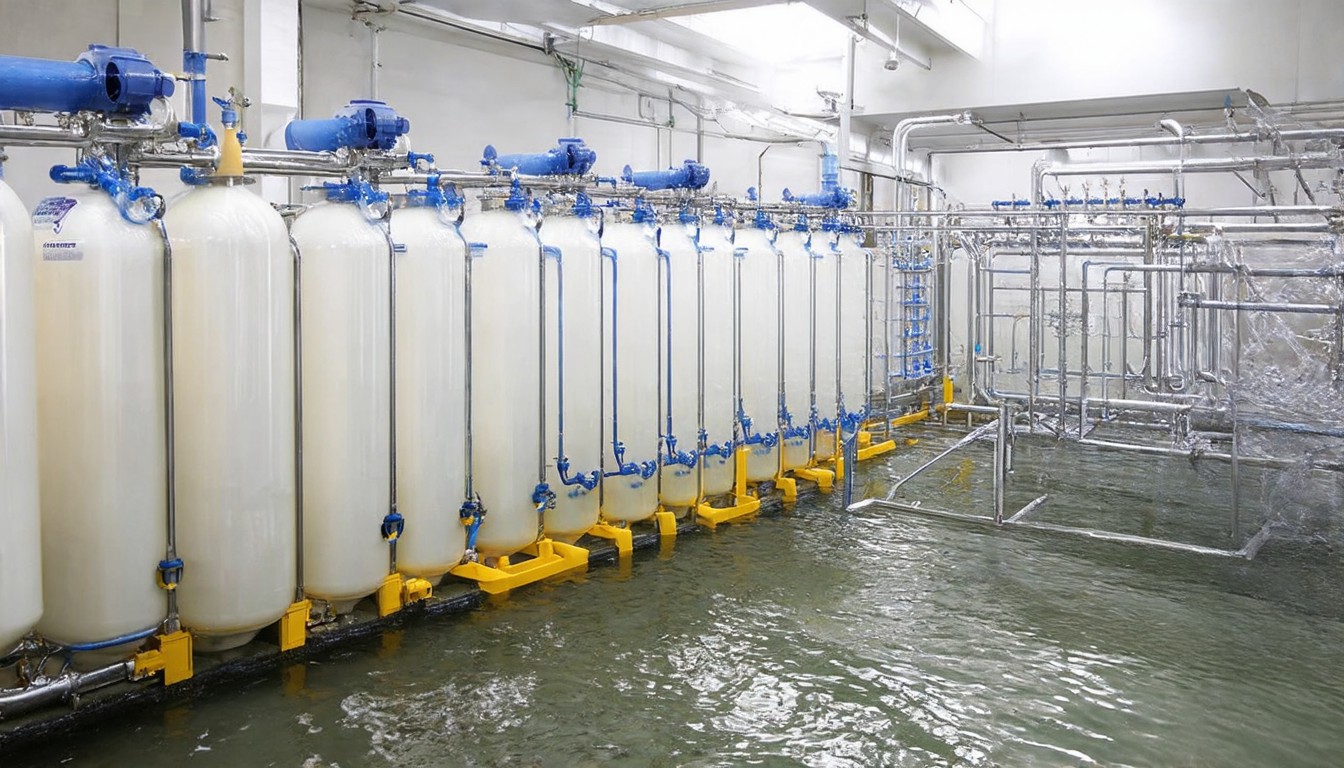
In a groundbreaking development in renewable energy, Japanese engineers have devised a novel method to harness the power of osmosis, a natural process that could revolutionize the way we generate electricity. The project, spearheaded by a water treatment plant in Japan, is leveraging osmosis to produce clean energy, a technology that could soon become a standard power source worldwide.
Osmosis, the movement of water molecules through a semipermeable membrane from an area of low solute concentration to high solute concentration, is a fundamental process in nature. Traditionally, this process has been utilized in water purification systems to separate contaminants from water. However, the innovative Japanese engineers have taken this concept a step further by turning it into a means of energy generation.
The water treatment plant in question has installed a system that uses osmosis to generate electricity. This system employs a membrane that allows water molecules to pass through while blocking impurities. As water moves through the membrane, the energy released from this movement is captured and converted into electricity. This process not only treats wastewater but also produces a sustainable source of energy, effectively turning a potential waste product into a valuable resource.
The technology behind this osmotic energy generation is rooted in the principles of thermodynamics. The movement of water molecules across the membrane creates a pressure difference, which is harnessed to generate electricity. This method is not only environmentally friendly but also efficient, as it operates on the natural flow of water molecules without the need for external power sources.
The potential benefits of this technology are significant. By converting wastewater into a source of renewable energy, the system reduces the environmental impact of water treatment processes. Traditional methods often require significant amounts of energy and can produce greenhouse gas emissions. In contrast, the osmotic system not only treats wastewater but also generates clean energy, contributing to a more sustainable and circular economy.
Moreover, the technology could have a profound impact on urban areas, where water treatment plants are often located. By generating electricity on-site, these plants could reduce their reliance on external power grids, lowering energy costs and enhancing energy security. Additionally, the energy produced could be fed back into the grid, further reducing the demand for fossil fuels and promoting a transition to renewable energy sources.
The success of this project is a testament to the ingenuity of Japanese engineers, who have long been at the forefront of technological innovation. The osmotic energy generation system represents a creative solution to the challenges of climate change and resource scarcity. As the technology matures and becomes more widely adopted, it has the potential to transform the global energy landscape, offering a sustainable alternative to traditional power sources.
While the technology is still in its early stages, the potential for osmotic energy generation is vast. As research and development continue, this method could become a common power source, particularly in regions with abundant water resources. The ability to generate electricity from wastewater not only addresses energy needs but also tackles water management issues, demonstrating the synergy between environmental sustainability and energy production.
In conclusion, the Japanese water plant's pioneering use of osmosis to generate renewable energy highlights the potential of nature-inspired solutions to global challenges. By harnessing a natural process, engineers have created a system that treats wastewater and produces clean energy, offering a pathway to a more sustainable future. As this technology advances, it could play a crucial role in reducing our reliance on finite resources and fostering a cleaner, more efficient energy system for all.









