
Waste water to clean energy: Japanese engineers harness the power of osmosis
A Japanese water plant is harnessing the natural process of osmosis to generate renewable energy that could one day become a common power source. The possibility of generating…
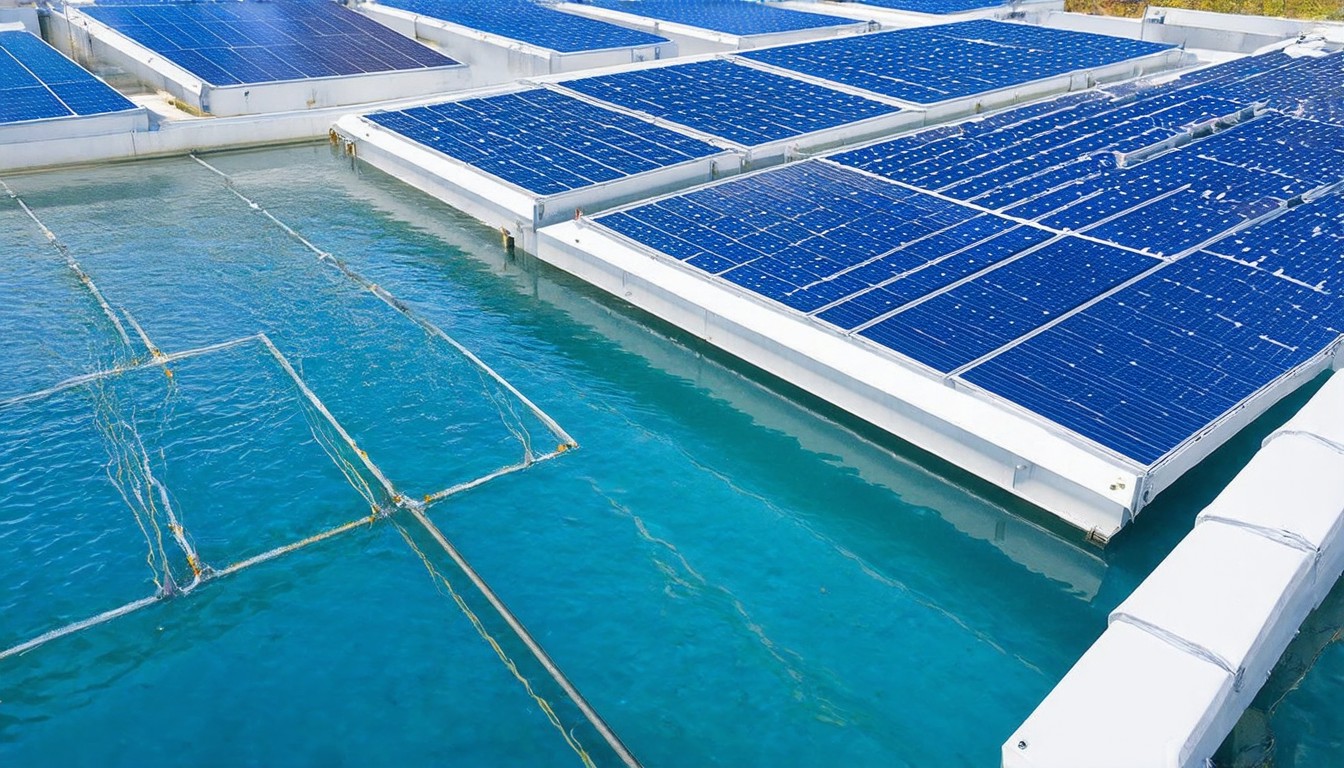
In a groundbreaking development in renewable energy, Japanese engineers have discovered a way to harness the natural process of osmosis to generate clean power. This innovative approach, being tested at a water treatment plant in Japan, could revolutionize the way we produce electricity, offering a sustainable alternative to traditional energy sources.
Osmosis, the process by which water molecules pass through a semipermeable membrane from an area of low solute concentration to an area of high solute concentration, is the key to this new energy generation method. Engineers have devised a system that captures the energy released during this natural movement of water molecules. By utilizing osmosis, the plant is able to generate electricity without relying on fossil fuels or complex infrastructure.
The water treatment plant in question has been modified to include specialized membranes that facilitate osmosis. As wastewater is processed, the movement of water molecules across these membranes generates a small electrical current. While the amount of energy produced may seem modest at first glance, the system is designed to scale up, potentially providing significant power for the plant's own operations and even supplying excess energy to the grid.
This technology is not only environmentally friendly but also offers long-term cost savings. By converting wastewater treatment into an energy-generating process, the plant reduces its reliance on external power sources and minimizes its carbon footprint. Moreover, the system requires minimal maintenance, as it operates on natural processes rather than mechanical components that need frequent replacement or repair.
The development of osmosis-based energy generation is part of a broader trend in Japan towards sustainable and innovative energy solutions. The country has long been a leader in renewable energy, with initiatives such as solar and wind power already playing a significant role in its energy mix. This new approach adds another dimension to Japan's commitment to clean energy, showcasing the potential of unconventional methods to address global energy challenges.
While the technology is still in its early stages, the potential applications of osmosis-based energy generation are vast. Beyond water treatment plants, similar systems could be implemented in other industries where wastewater is a byproduct, such as food processing, pharmaceuticals, and textiles. By converting waste into energy, these sectors could significantly improve their sustainability profiles and contribute to a circular economy.
The success of this project could also inspire further research into other natural processes that can be harnessed for energy production. Osmosis is just one example of how nature's mechanisms can be tapped into to create sustainable energy solutions. As the world faces mounting pressure to reduce greenhouse gas emissions and transition to renewable energy, innovations like these offer hope for a cleaner, more sustainable future.
In conclusion, the Japanese water plant's use of osmosis to generate renewable energy represents a pioneering step towards a more sustainable energy landscape. By leveraging a natural process, this initiative not only reduces environmental impact but also offers a cost-effective and scalable solution to the global energy challenge. As the technology matures and gains traction, it could become a common power source, further solidifying Japan's position as a leader in innovative, clean energy solutions.









