
War With Iran Clarifies Trump’s Spending Priorities: The Military, Not Child Care
As the White House prepares to release its 2027 budget, President Trump said military protection, not social programs, took precedence.
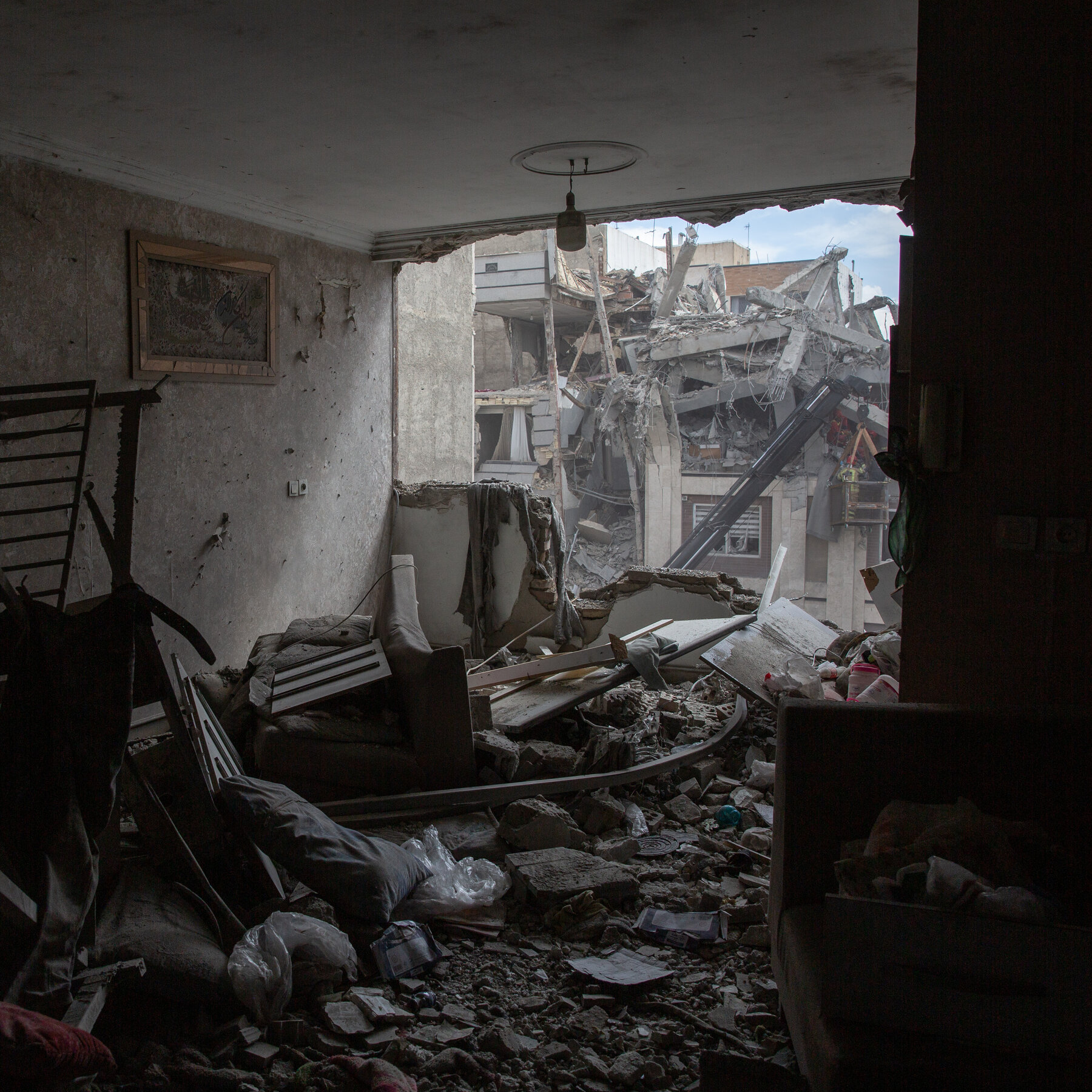
As tensions escalate between the United States and Iran, President Trump's recent remarks have shed light on his administration's spending priorities. With the 2027 budget on the horizon, the White House is expected to prioritize military expenditures over social programs, a stark contrast to the emphasis on domestic welfare initiatives that many had anticipated.
In a recent address, President Trump emphasized the importance of national security, stating that military protection must take precedence over social programs such as child care, Medicaid, and Medicare. He argued that these services could be effectively managed at the state level, rather than being a federal responsibility. This shift in focus highlights the administration's commitment to a robust military presence, particularly in light of ongoing geopolitical tensions, including the ongoing conflict with Iran.
The decision to prioritize military spending is not without controversy. Critics argue that such a shift could lead to reduced federal support for vulnerable populations, potentially exacerbating existing inequalities. They point out that many states already struggle to provide adequate social services, and further devolution of responsibility could result in inadequate support for those in need.
The context of this decision is further complicated by the ongoing conflict with Iran. Images of damaged buildings in Tehran, resulting from recent airstrikes, underscore the realities of this geopolitical standoff. President Trump's administration has consistently framed its stance as a matter of national security, arguing that robust military capabilities are essential to deter aggression and protect American interests.
However, this prioritization of military spending over social programs raises questions about the administration's broader vision for the country. While national security is undeniably important, many argue that a balanced approach is necessary to address both external threats and internal socioeconomic challenges. The decision to allocate significant resources to the military while downplaying the importance of social programs could be seen as a reflection of the administration's perceived priorities, with security concerns taking precedence over domestic welfare.
Furthermore, this shift in spending priorities could have broader implications for the nation's economic and social fabric. By diverting funds from social programs, the administration may inadvertently contribute to growing income inequality and reduce access to essential services for millions of Americans. This could have long-term consequences for the country's social cohesion and economic stability.
In contrast, proponents of the administration's stance argue that a strong military is essential to maintaining global influence and ensuring national security. They contend that by prioritizing defense, the United States can deter potential adversaries and protect its interests abroad, which ultimately benefits the nation's economy and citizens.
As the 2027 budget is finalized, the decision to prioritize military spending over social programs will likely become a focal point of political debate. With tensions with Iran and other global challenges, the administration's choice underscores a clear direction in its policy approach, one that prioritizes national security above all else. However, the long-term effects of this decision on domestic welfare and social equity remain to be seen.









