War With Iran Clarifies Trump’s Spending Priorities: The Military, Not Child Care
As the White House prepares to release its 2027 budget, President Trump said military protection, not social programs, took precedence.
As tensions escalate between the United States and Iran, President Trump's recent remarks have shed light on his administration's spending priorities. With the 2027 budget on the horizon, the White House is set to prioritize military expenditures over social programs, a stark contrast to the emphasis on domestic welfare that many had anticipated.
In a recent address, President Trump emphasized the importance of military protection, arguing that it must take precedence over social programs such as child care, Medicaid, and Medicare. He stated, “It’s not possible for us to take care of day care, Medicaid, Medicare, all of these individual things, they can do it on a state basis.” This declaration underscores a clear shift in the administration's focus, from domestic welfare initiatives to national security.
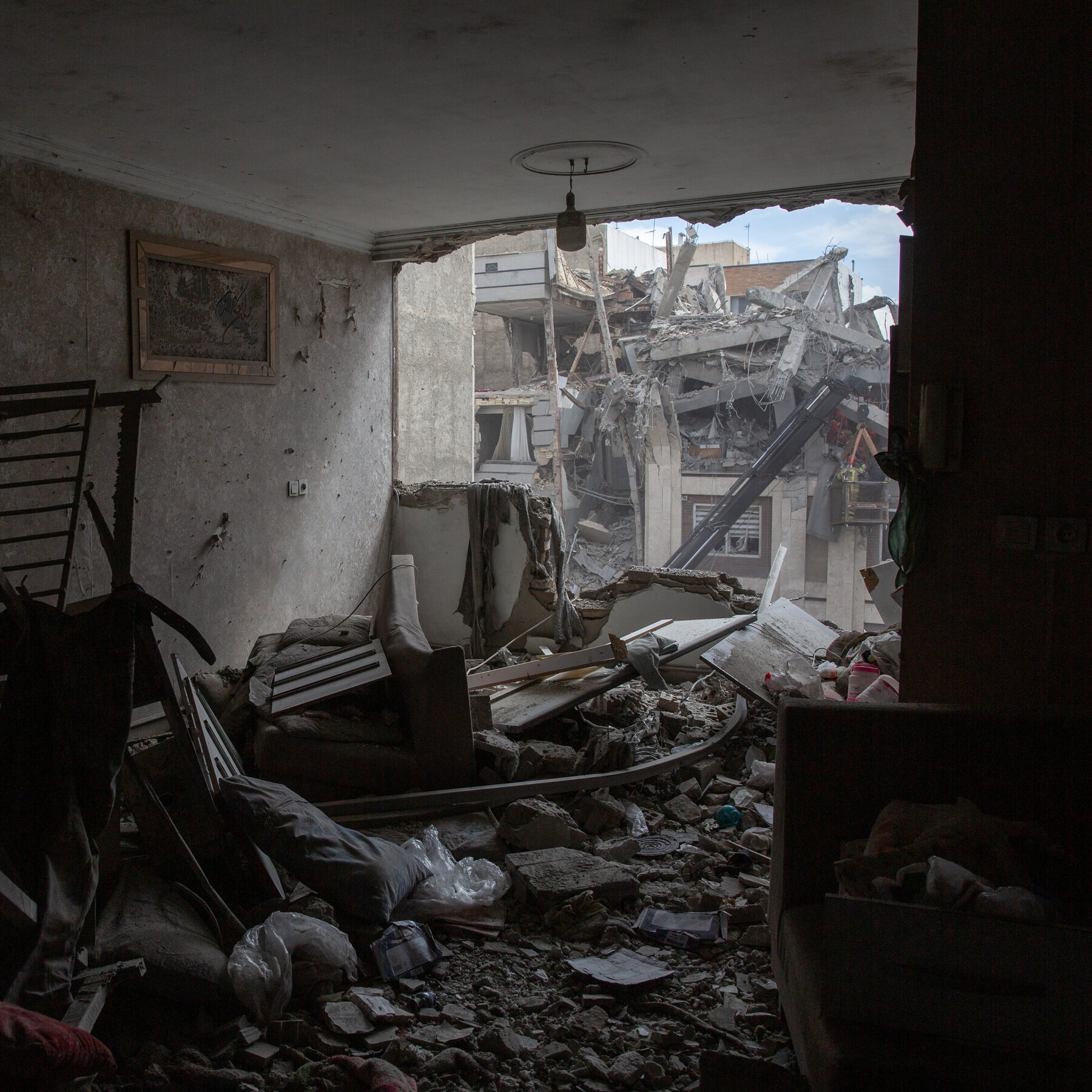
The context for this decision is not lost in the current geopolitical landscape. Images of a damaged building in Tehran, likely from recent airstrikes, serve as a stark reminder of the volatile relationship between the two nations. As Iran continues to develop its nuclear capabilities and engage in regional conflicts, the United States has increasingly viewed military readiness as a top priority.
Critics argue that this shift in spending priorities could have significant implications for vulnerable populations within the United States. Child care, Medicaid, and Medicare are programs that provide essential services to millions of Americans, particularly those in low-income households and the elderly. By prioritizing military spending, the administration may be inadvertently neglecting these critical social safety nets.
However, proponents of the administration's stance argue that national security is a non-negotiable priority. They contend that a strong military deterrent is necessary to protect American interests both at home and abroad. In this view, the investment in military capabilities is a necessary trade-off for the security and stability of the nation.
The 2027 budget will undoubtedly face scrutiny from lawmakers and the public alike. As the administration prepares to unveil its proposed spending priorities, the debate over whether to prioritize military expenditures over social programs will likely intensify.
In the coming weeks, it will be crucial to watch how this debate unfolds. Will Congress support the administration's emphasis on military spending, or will they push back in favor of domestic welfare initiatives? The outcome will have far-reaching consequences for both the United States and its global standing.
As the world watches the unfolding saga between the United States and Iran, one thing is clear: President Trump's administration is making a bold statement about its priorities. With military protection at the forefront, the question remains whether this focus will be seen as a necessary step toward global stability, or a misguided prioritization that risks the well-being of millions of Americans.