
War in the Middle East: latest developments
PARIS — The latest developments in the Middle East war:
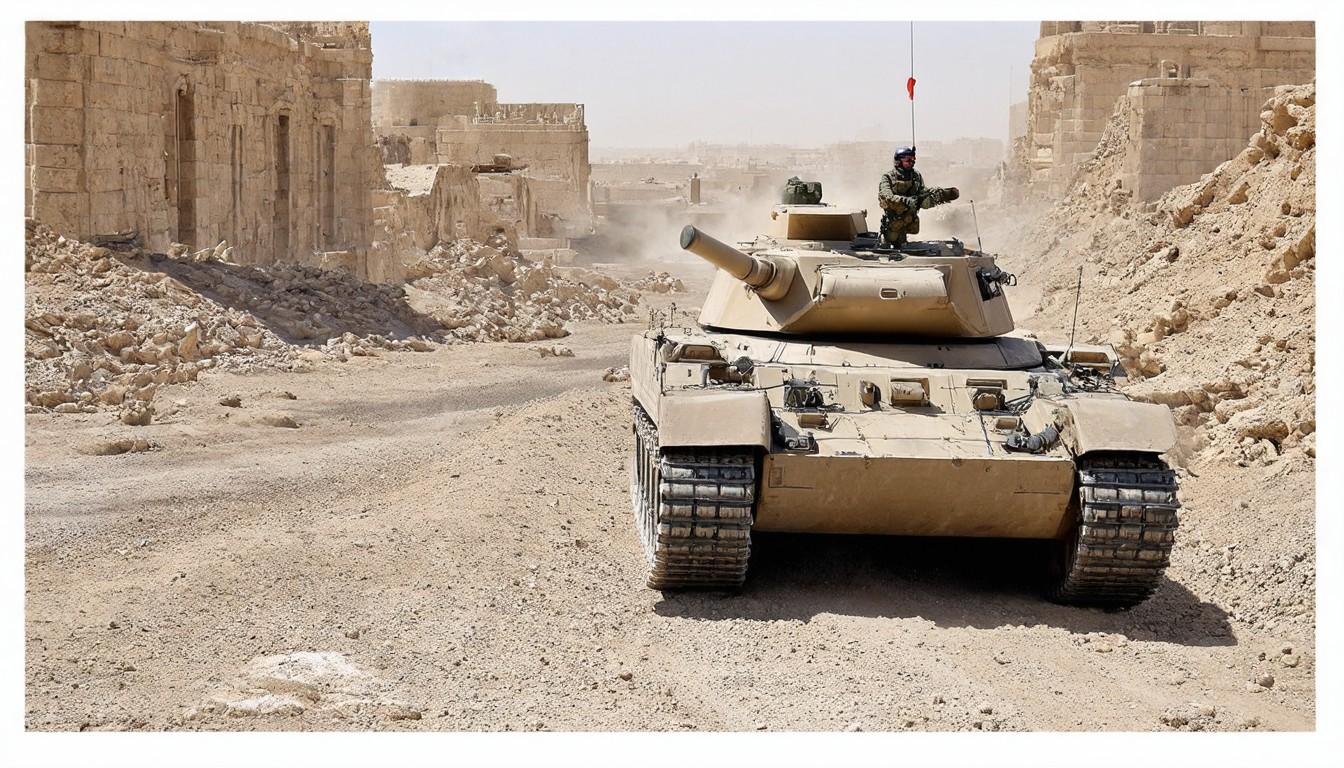
The Middle East has long been a region marked by complex geopolitical tensions and ongoing conflicts. In recent weeks, the situation has escalated, with several key developments shaping the trajectory of the ongoing war. As tensions rise and alliances shift, the region's future remains uncertain, with global powers closely monitoring the situation.
One of the most significant developments has been the intensification of hostilities between Israel and Hamas in the Gaza Strip. Following a series of airstrikes and rocket attacks, both sides have accused each other of escalating the violence. The Israeli military has targeted Hamas infrastructure, including military installations and launching sites, in an effort to curb rocket attacks on its territory. Hamas, in turn, has continued to launch rockets into Israel, prompting Israeli retaliation. The United Nations has called for an immediate ceasefire, but so far, neither side has agreed to halt the fighting.
In addition to the Israel-Hamas conflict, tensions have also risen between Iran and Saudi Arabia, two of the region's most influential players. The two countries have been vying for dominance in the Middle East for decades, with their rivalry spilling over into proxy wars in Yemen and Syria. Recently, Saudi Arabia has accused Iran of supporting Houthi rebels in Yemen, while Iran has accused Saudi Arabia of supporting Sunni militants in Syria. Both nations have increased their military presence in the region, with Iran deploying more troops to Syria and Saudi Arabia bolstering its forces in Yemen.
Another critical development is the ongoing civil war in Syria, which has dragged on for over a decade. Despite recent efforts by the United Nations to broker a peace deal, the conflict shows no signs of abating. The Syrian government, backed by Russia and Iran, has been fighting against a coalition of rebel groups and jihadist militias. The situation in Syria has also spilled over into neighboring countries, with refugees fleeing the violence and creating humanitarian crises in Lebanon, Jordan, and Turkey.
Meanwhile, in Iraq, tensions have risen between the government and Kurdish separatists. The Kurdish Regional Government (KRG) has been pushing for greater autonomy, which has led to clashes with the central government in Baghdad. The situation in Iraq is further complicated by the presence of Iranian-backed militias, which have been accused of targeting Sunni communities. The U.S. has recently withdrawn its troops from the region, leaving a power vacuum that has been filled by Iranian-backed militias.
The Biden administration has been closely monitoring the situation in the Middle East, with officials expressing concern over the escalating violence and the potential for further instability. The U.S. has called for diplomatic solutions to the conflicts, but has also warned against any attempts to alter the status quo by force. European powers, including France and Germany, have also weighed in, urging all parties to engage in dialogue and seek peaceful resolutions.
The latest developments in the Middle East underscore the region's fragile stability and the need for international intervention. As the conflicts continue to escalate, the potential for further violence and human suffering is high. The international community must work together to find sustainable solutions to the region's complex challenges, ensuring that the conflicts do not spill over into broader geopolitical crises.
In conclusion, the Middle East is once again facing a volatile landscape, with multiple conflicts threatening to destabilize the region. The escalating hostilities between Israel and Hamas, the rivalry between Iran and Saudi Arabia, the ongoing civil war in Syria, and the tensions in Iraq highlight the need for urgent diplomatic efforts. The international community must come together to address these challenges and promote peace and stability in the Middle East.









