
War in the Middle East: Israel says residential building hit by Iranian missile
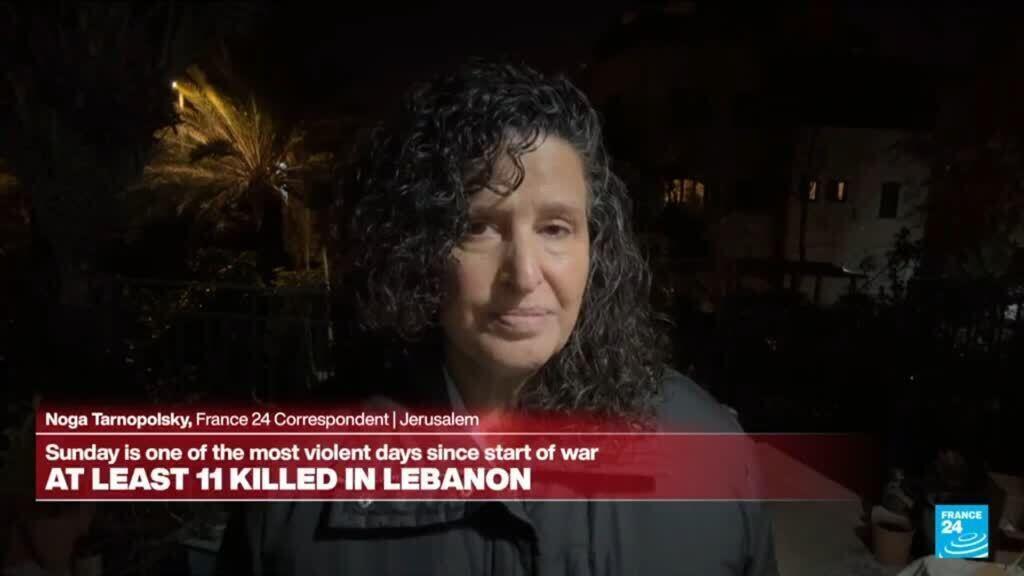
'Stuck in a warzone': France 24's Noga Tarnopolsky describes the plight of Israelis who are unable to evacuate from the north.
In the midst of escalating tensions in the Middle East, Israel has reported that a residential building in the northern part of the country was struck by an Iranian-backed missile. This incident has deepened concerns about the ongoing conflict and the safety of civilians in the region.
The attack, which occurred in the early hours of the morning, left several residents injured and forced many to flee their homes. The missile, believed to have been launched from Lebanon, targeted an area that has been relatively quiet in recent years. However, the recent spike in violence has made even these previously safe zones vulnerable.
Israeli officials have condemned the attack, accusing Iran of supporting Hezbollah, the Lebanese militant group that has been implicated in similar incidents. The Israeli Defense Forces (IDF) have vowed to respond to the attack, emphasizing their commitment to protecting the country's citizens.
The situation in the north of Israel is particularly challenging for those who are unable to evacuate. France 24's correspondent, Noga Tarnopolsky, has reported on the plight of Israelis trapped in this warzone. Many residents have chosen to stay in their homes, despite the risks, as they fear the uncertainty of displacement. Tarnopolsky's report highlights the emotional and practical challenges faced by these civilians, who are caught between the need to protect their loved ones and the desire to remain in their homes.
The Israeli government has been urging residents in the north to evacuate to safer areas, but many have resisted, citing a range of factors. Some fear that leaving their homes will only encourage further attacks, while others are concerned about the long-term effects of displacement on their communities. The decision to stay or leave is a deeply personal one, often influenced by a sense of duty to their locality and a desire to show resilience in the face of adversity.
The attack on the residential building has reignited debates about the effectiveness of Israel's defense systems. While the Iron Dome has been successful in intercepting many missiles, it is not infallible, and the increasing frequency of attacks has strained the system's resources. Critics argue that the government needs to invest in additional defenses and consider alternative strategies to protect its citizens.
Meanwhile, the international community is closely monitoring the situation, with some countries calling for a de-escalation of tensions. However, the conflict in the Middle East is complex and multifaceted, with deep-seated historical and political grievances that are unlikely to be resolved quickly.
As the situation continues to evolve, the focus remains on the safety and well-being of civilians in the region. The attack on the residential building serves as a stark reminder of the human cost of this conflict and the urgent need for diplomatic efforts to find a sustainable resolution.
In the north of Israel, life remains uncertain for those who are unable to evacuate. The community is bracing for further attacks, while the government struggles to balance the need for security with the rights of its citizens. The plight of these Israelis is a poignant testament to the challenges faced by those living in the shadow of ongoing conflict.
As the situation unfolds, it is clear that the war in the Middle East is far from over. The attack on the residential building is just one chapter in a complex and ongoing narrative that continues to shape the region's future. The international community must remain vigilant and committed to finding a path forward that prioritizes the safety and dignity of all those affected by this conflict.









