
War in the Middle East: Donald Trump threatens to hit Iran power plants
Israeli strikes killed the intelligence chief of Iran's Revolutionary Guards, as the Islamic republic on Monday defied threats from US President Donald Trump to devastate civilian infrastructure if it does not reopen the Strait of Hormuz.
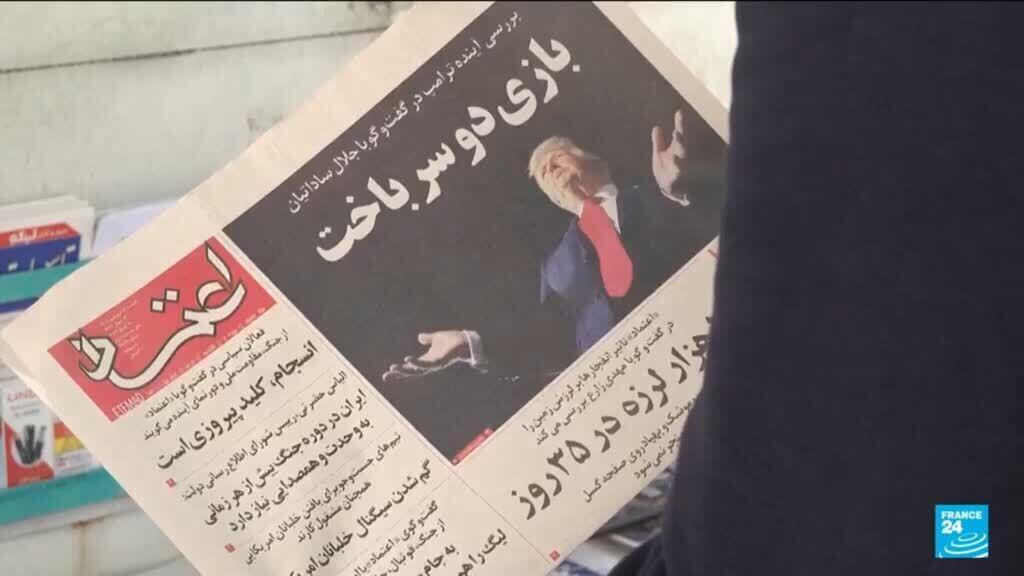
Tensions in the Middle East have escalated as the conflict between Israel and Iran intensifies, with the United States adding pressure through threats of retaliation. The recent Israeli strikes, which targeted and killed the intelligence chief of Iran's Revolutionary Guards, have further strained relations between the two nations. In response, Iran has defiantly ignored warnings from US President Donald Trump, who has threatened to destroy Iranian civilian infrastructure if the Strait of Hormuz remains closed.
The Strait of Hormuz, a crucial chokepoint for global oil shipments, has been a focal point of contention. Its closure by Iran has disrupted global energy markets, leading to concerns about potential shortages and price hikes. The US, heavily reliant on Middle Eastern oil, has been particularly vocal in demanding the strait's reopening. Trump's threats to hit Iranian power plants, a move that could cripple the country's electricity supply and affect civilian lives, underscore the severity of the situation.
The Israeli strikes, which targeted high-ranking Iranian officials, have been seen as a direct response to ongoing Iranian involvement in the region. The intelligence chief's death marks a significant blow to Iran's military capabilities, as he was a key figure in planning and executing operations outside the country's borders. This escalation in violence follows a series of clandestine operations and retaliatory strikes, highlighting the complex and volatile nature of the Middle East's conflicts.
Iran's defiance in the face of US threats suggests a determination to maintain control over the Strait of Hormuz. The country's leadership may view the closure as a strategic move to pressure the international community and force concessions. However, this stance risks further isolation and increased military intervention, potentially leading to a full-scale conflict.
The US, allied with Israel, has been vocal in its opposition to Iran's actions. Trump's threats to destroy power plants could lead to a devastating impact on Iran's civilian population, as the country's infrastructure is already strained due to economic sanctions and internal issues. Such a move could also provoke Iranian retaliation, potentially escalating the conflict and drawing in additional regional powers.
The situation in the Middle East is further complicated by the involvement of other nations. Saudi Arabia, a key ally of the US, has expressed concern over the closure of the Strait of Hormuz, as it relies heavily on the route for its oil exports. Russia, on the other hand, has taken a more neutral stance, calling for diplomatic solutions to resolve the crisis.
As tensions mount, the international community is closely monitoring the situation, seeking to avoid further escalation. Diplomatic efforts are underway, but the path to a peaceful resolution remains uncertain. The threat of US military action and the potential for retaliatory strikes could lead to a prolonged and destabilizing conflict, with far-reaching consequences for global energy markets and regional stability.
In conclusion, the current crisis in the Middle East is a complex and multifaceted issue, involving a mix of historical grievances, geopolitical interests, and economic pressures. The recent Israeli strikes and US threats highlight the volatile nature of the region, with the potential for further violence and instability. As tensions rise, the world watches closely, hoping for a diplomatic breakthrough that can prevent a full-scale conflict and restore peace in the region.








