
War in the Middle East: 15 dead in israeli strikes on Lebanon
An Israeli strike on south Beirut killed at least 15 people and wounded 39 on Sunday.
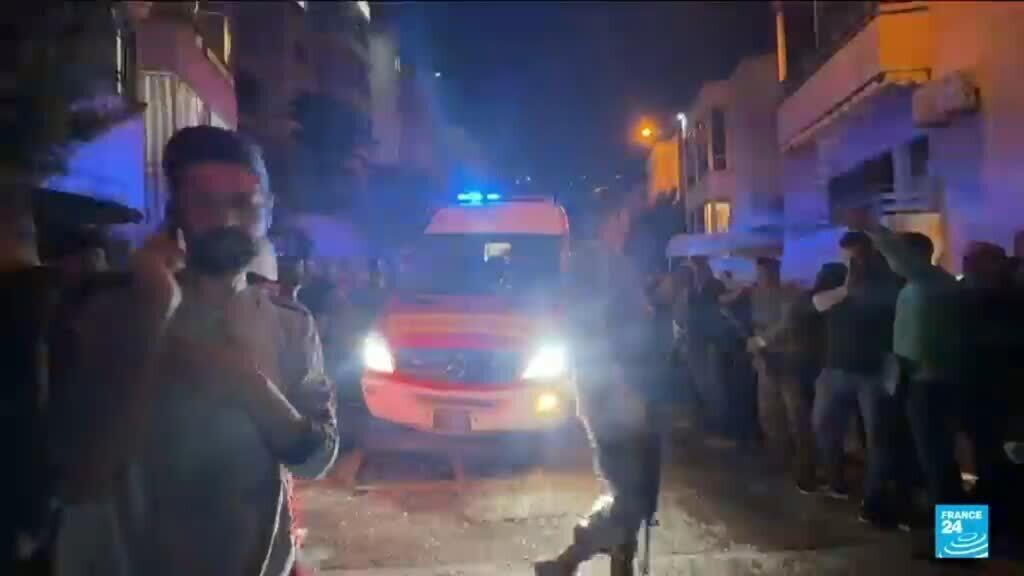
On Sunday, a series of Israeli airstrikes targeted south Beirut, resulting in the tragic loss of at least 15 lives and injuring 39 others. The attack, which occurred in the early hours of the morning, sent shockwaves through the already tense region, further escalating tensions between Israel and Lebanon.
The strikes, which were carried out by Israeli forces, were reportedly aimed at militant groups operating in the area. However, the civilian casualties underscore the challenges of distinguishing between combatants and non-combatants in such densely populated regions. Lebanese officials and witnesses described the scene as chaotic, with emergency services scrambling to respond to the sudden onslaught of violence.
The Israeli military has not yet officially commented on the incident, though it has been known for conducting periodic airstrikes in Lebanon in recent years, targeting what it describes as threats to its northern border. These operations have often been met with criticism from human rights organizations, who argue that the disproportionate impact on civilians violates international law.
In the aftermath of the attack, Lebanese authorities reported that several buildings in the south Beirut neighborhood were damaged, with some completely destroyed. Residents described hearing loud explosions followed by the sound of shattered glass and debris raining down on the streets. Many were forced to flee their homes in panic, seeking safety in nearby shelters or with relatives.
The Lebanese Health Ministry stated that the injured were being treated at local hospitals, with some in critical condition. The exact number of casualties is expected to rise as rescue operations continue, particularly in the rubble of collapsed buildings.
The incident has sparked outrage among Lebanese politicians and citizens, who demand accountability from the Israeli government. Protests have erupted in Beirut, with demonstrators calling for an end to Israeli aggression and an end to the cycle of violence that has plagued the region for decades.
The situation in Lebanon has been complicated by its ongoing political and economic crisis, which has left many citizens struggling to meet basic needs. The recent airstrikes have added another layer of instability, exacerbating the humanitarian situation on the ground.
International reactions to the attack have been mixed. Some countries have expressed concern over the escalating violence, while others have offered tacit support for Israel's right to defend its borders. The United Nations has called for an immediate ceasefire and an end to the cycle of violence that threatens regional stability.
As the dust settles on this latest chapter in the ongoing conflict, the question of how to achieve lasting peace in the Middle East remains unanswered. Both Israel and Lebanon, along with other regional actors, must confront the complex realities of their history and find a way to coexist without resorting to violence.
In the meantime, the focus must remain on providing aid to those affected by the airstrikes, ensuring that they receive the medical care and support they desperately need. The international community must also step up its efforts to broker a lasting peace agreement that addresses the root causes of the conflict and promotes stability in the region.
The tragedy in south Beirut serves as a stark reminder of the fragility of peace in the Middle East and the urgent need for diplomatic engagement and dialogue to find a sustainable resolution to the ongoing tensions.








