Walmart-owned Sam's Club raises its annual membership fee to $60
Sam's Club is hiking membership fees as its annual sales and membership grow and as high gas prices call attention to one of its key perks.
Sam's Club, the warehouse club owned by Walmart, has announced that it will increase its annual membership fee to $60. This move comes as the company continues to grow its membership base and sales, while also highlighting one of its key perks amidst high gas prices.
In recent years, Sam's Club has experienced significant growth in both membership and sales. The company has expanded its presence across the United States, opening new locations and attracting more customers. This growth has been driven by a combination of strategic investments, effective marketing, and a focus on providing value to members. The increased membership fee is a direct result of this expansion and the need to support the growing operations.
The decision to raise the membership fee to $60 follows a pattern of gradual increases over the past few years. While the exact timing of previous fee hikes is not widely publicized, the trend reflects the company's commitment to maintaining its competitive edge in the retail industry. As a subsidiary of Walmart, Sam's Club is under pressure to deliver consistent returns on investment, which in turn requires careful management of operational costs.
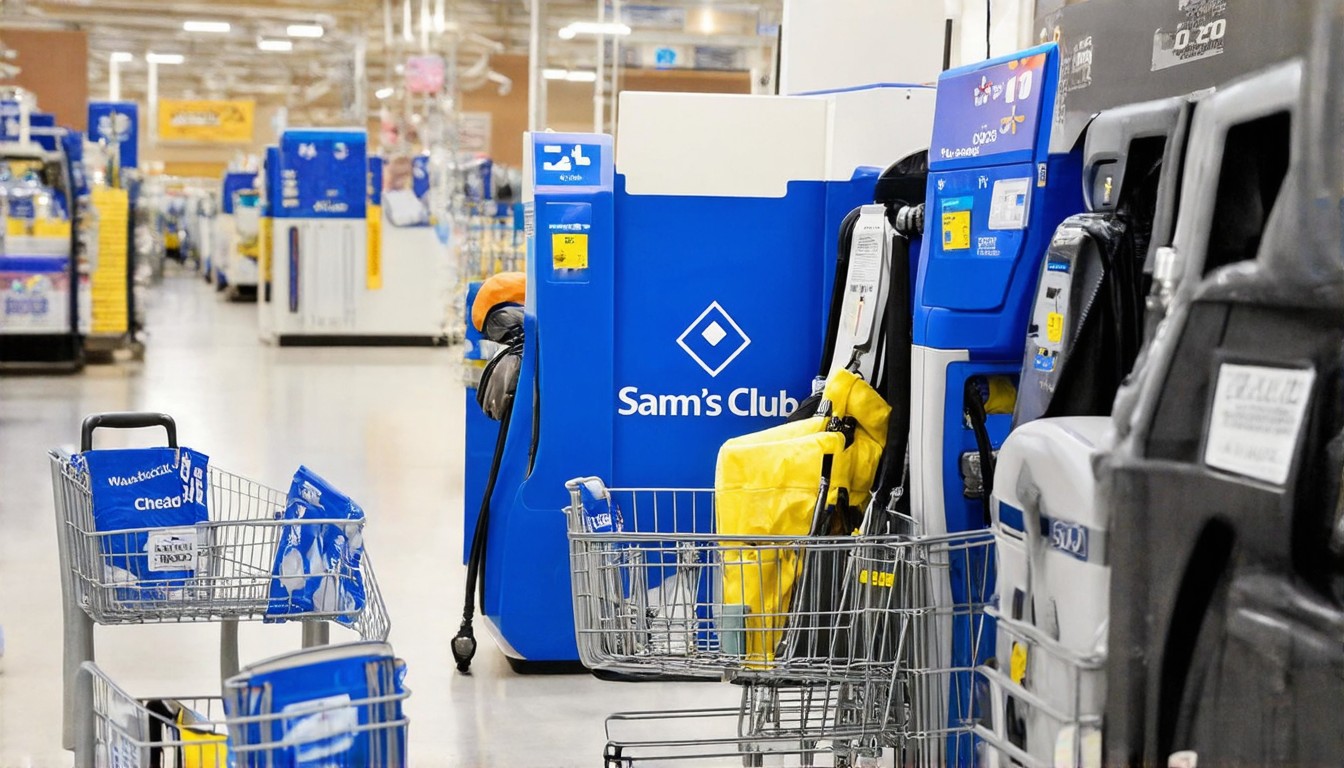
One of the key perks that Sam's Club offers its members is its fuel program. The club partners with various gas stations to provide members with discounts on gasoline. In recent months, high gas prices have drawn increased attention to the importance of fuel savings. As a result, the fuel perk has become even more appealing to consumers, making Sam's Club membership more valuable in the eyes of potential members.
Despite the increased membership fee, Sam's Club remains confident that its value proposition will continue to attract customers. The club offers a wide range of products, from groceries and household items to electronics and sports equipment, all at competitive prices. Additionally, members benefit from exclusive access to sales events and other promotions, further enhancing the appeal of the membership.
The raise in membership fees is not without its challenges. Some existing members may be concerned about the increased cost and whether the benefits outweigh the expense. However, Sam's Club has a history of offering competitive pricing and a wide selection of products, which has helped to retain a loyal customer base.
In the broader context of the retail industry, Sam's Club's decision to increase membership fees is part of a trend seen across the board. Many retailers are adjusting their pricing strategies in response to inflation, supply chain challenges, and changing consumer behaviors. As the economy continues to evolve, companies must adapt their business models to remain competitive and relevant.
For Sam's Club, the increased membership fee is a strategic move designed to support its growth and maintain its position as a leading retailer. By investing in its operations and offering valuable perks like fuel discounts, the club aims to continue attracting new members and retaining existing ones, even in the face of economic challenges.
In conclusion, Sam's Club's decision to raise its annual membership fee to $60 reflects its commitment to growth and the need to adapt to changing market conditions. While the increased cost may be a concern for some members, the club's focus on providing value through competitive pricing, a wide product selection, and exclusive perks like fuel discounts is expected to continue to resonate with consumers. As the retail landscape continues to evolve, Sam's Club's strategic adjustments are designed to ensure its long-term success and relevance.