Wall Street loses patience with Nike as turnaround drags, China weakness deepens
Nike warned that its turnaround is taking longer than it expected, leading three Wall Street banks to downgrade the stock as investors lose patience.
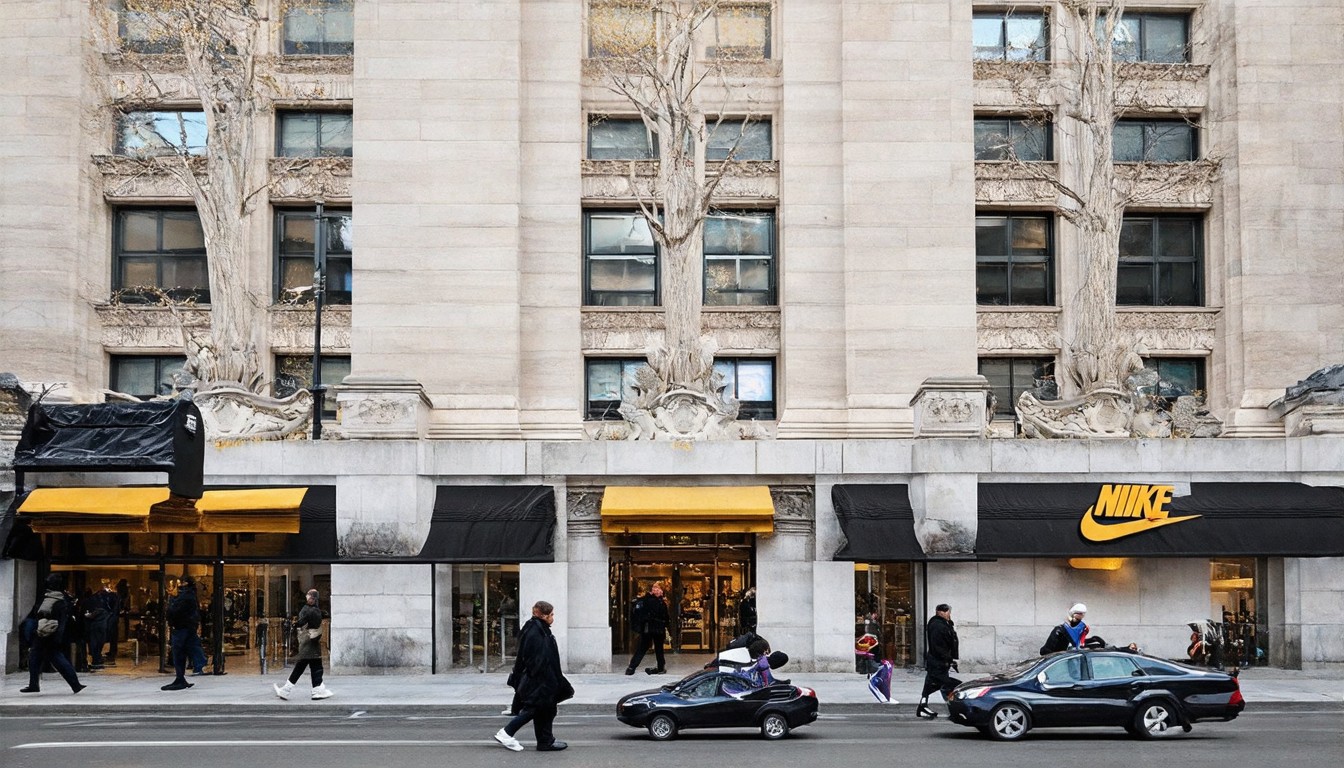
Nike, the iconic athletic footwear and apparel giant, has found itself in the crosshairs of Wall Street investors as its long-awaited turnaround continues to stretch beyond expectations. The company recently issued a warning that its transformation process is progressing more slowly than anticipated, prompting three major Wall Street banks to downgrade its stock. This development underscores the growing impatience among investors who have been eagerly watching the company's efforts to rebound from a period of stagnation.
The downgrades, which came from Morgan Stanley, Goldman Sachs, and J.P. Morgan, reflect a collective reassessment of Nike's prospects. Analysts at these institutions have adjusted their valuations and recommendations, citing concerns over the pace of Nike's operational improvements and its ability to counteract the challenges posed by a weakening Chinese market. These factors have contributed to a decline in investor confidence, as the company struggles to regain its former luster.
Nike's turnaround journey began in earnest in 2016 when it appointed John Donahoe, the former CEO of eBay, to spearhead a strategy aimed at revitalizing the brand and boosting sales. Since then, the company has focused on streamlining its operations, enhancing its supply chain, and investing in digital transformation. However, despite these efforts, Nike has yet to achieve the level of growth and profitability that investors and analysts had hoped for.
The slow turnaround has been particularly problematic in the context of Nike's performance in China, where the company has faced significant headwinds. China, which has long been a key market for Nike, has experienced economic slowdown and increased competition from local brands. These challenges have led to a decline in sales for the company in the region, further exacerbating investor concerns.
In response to these challenges, Nike has been actively seeking to diversify its revenue streams and expand its presence in emerging markets. The company has also doubled down on its digital initiatives, including the launch of its own apparel subscription service and the expansion of its e-commerce platform. However, these efforts have not yet translated into the kind of results that would reassure investors and analysts.
The downgrades from Wall Street banks are not the only indication of Nike's struggles. The company's stock has been under pressure in recent months, reflecting the broader market sentiment that the turnaround is not progressing as quickly as needed. This has led to a decline in Nike's market capitalization, as investors reevaluate their holdings and consider alternatives.
Despite the challenges, Nike remains optimistic about its long-term prospects. The company has continued to invest in innovation and has introduced several high-profile products, such as the Nike Air Max 270 React and the Nike Air Force 1 x Air Jordan collaboration. These launches have generated buzz and helped to maintain the brand's appeal among consumers.
However, the pressure on Nike to deliver results is intense, and the company will need to demonstrate tangible progress in the near term to regain investor confidence. As the athletic apparel market continues to evolve, Nike must navigate a complex landscape of competitive pressures and shifting consumer preferences. The company's ability to adapt and execute its turnaround strategy will be crucial in determining its future success.
In conclusion, Nike's protracted turnaround and the deepening challenges in the Chinese market have led to a reassessment of the company's stock by major Wall Street banks. While the company has made significant efforts to revitalize its operations and expand its reach, investors remain concerned about the pace of progress. As Nike looks to the future, it will need to balance its innovative product launches with a clear roadmap for achieving the financial performance that the market demands. Only then can it hope to regain the investor confidence that has been eroded in recent months.