Volunteers finally find Betty White—the rescue tortoise
She was missing for months, right under her care team's noses. The post Volunteers finally find Betty White—the rescue tortoise appeared first on Popular Science .
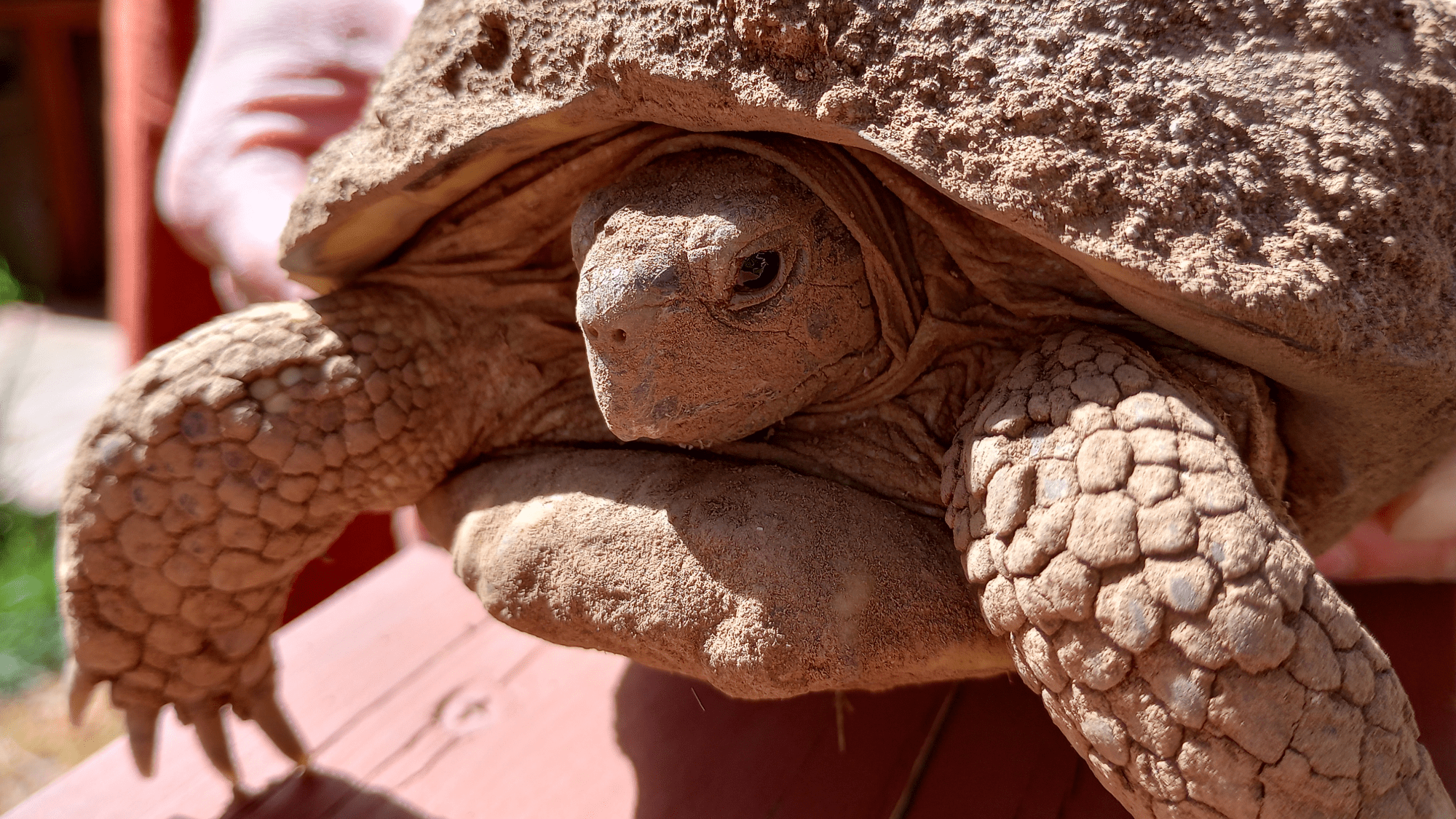
Volunteers finally found Betty White, the rescue tortoise, after she had been missing for months. The reclusive Russian tortoise, named after the iconic actress, had been hiding under her enclosure at Badger Run Wildlife Rehab in Klamath Falls, Oregon. The discovery came to light when a volunteer named Rose noticed her hiding spot.
Betty White, a roughly 20-year-old female Russian tortoise (Testudo horsfieldii), is one of the reptiles residing at Badger Run Wildlife Rehab. She went missing in the fall, only to be found months later, under her enclosure. The Russian tortoise species, native to Central Asia, including countries like Uzbekistan, Kazakhstan, Turkmenistan, Afghanistan, Iran, and China, has faced significant challenges due to over-export for the pet trade. After the fall of the Soviet Union, these tortoises became popular exports for former Soviet states, leading to a decline in their populations and putting them at risk of endangerment or threat in much of their range.
Laura Hale, a biologist and the president of Badger Run Wildlife Rehab, explained the impact of the exotic pet trade on Russian tortoises. "Almost all of the Russian tortoises in the pet trade are wild-caught, and this has taken a toll on their species in their native territories along with habitat loss," Hale told Popular Science. The trade not only endangers the species but also poses health risks for both human handlers and the animals themselves.
Betty White and a male Russian tortoise named Smudge were rescued in December 2023 after their owner passed away. Both were brought to Badger Run Wildlife Rehab, where they serve as educational tools for the public, teaching about the dangers of the exotic pet trade and the importance of preserving these animals' natural habitats. Trafficking wild animals for the pet trade disrupts their ecosystems, and owning exotic pets can lead to health issues for both the animals and their human caretakers.
Betty White's name comes from the distinctive white lines on her shell, which are the result of improper growth between the individual sections of her shell. These lines are caused by a poor diet and incorrect humidity levels during her time in captivity. Since her rescue, Betty White and Smudge have been thriving at Badger Run Wildlife Rehab. They spend their spring, summer, and fall together in a large outdoor enclosure with deep soil for burrowing, while the colder months are spent indoors in a warmer enclosure with UVB lamps to simulate natural sunlight.
The discovery of Betty White serves as a reminder of the challenges faced by endangered species in captivity and the importance of wildlife rehabilitation centers like Badger Run. These facilities not only provide a safe haven for animals in need but also educate the public about the dangers of the exotic pet trade and the need to protect wildlife habitats. As Betty White and Smudge continue to thrive at Badger Run, their story highlights the positive impact that dedicated care and conservation efforts can have on the lives of these animals.