
Volkswagen deal with EV maker Xpeng shows how China tech threatens Western automakers
Xpeng's deal to make software, hardware and even vehicles with VW Group in China shows that Chinese firms are now making the high-value components.
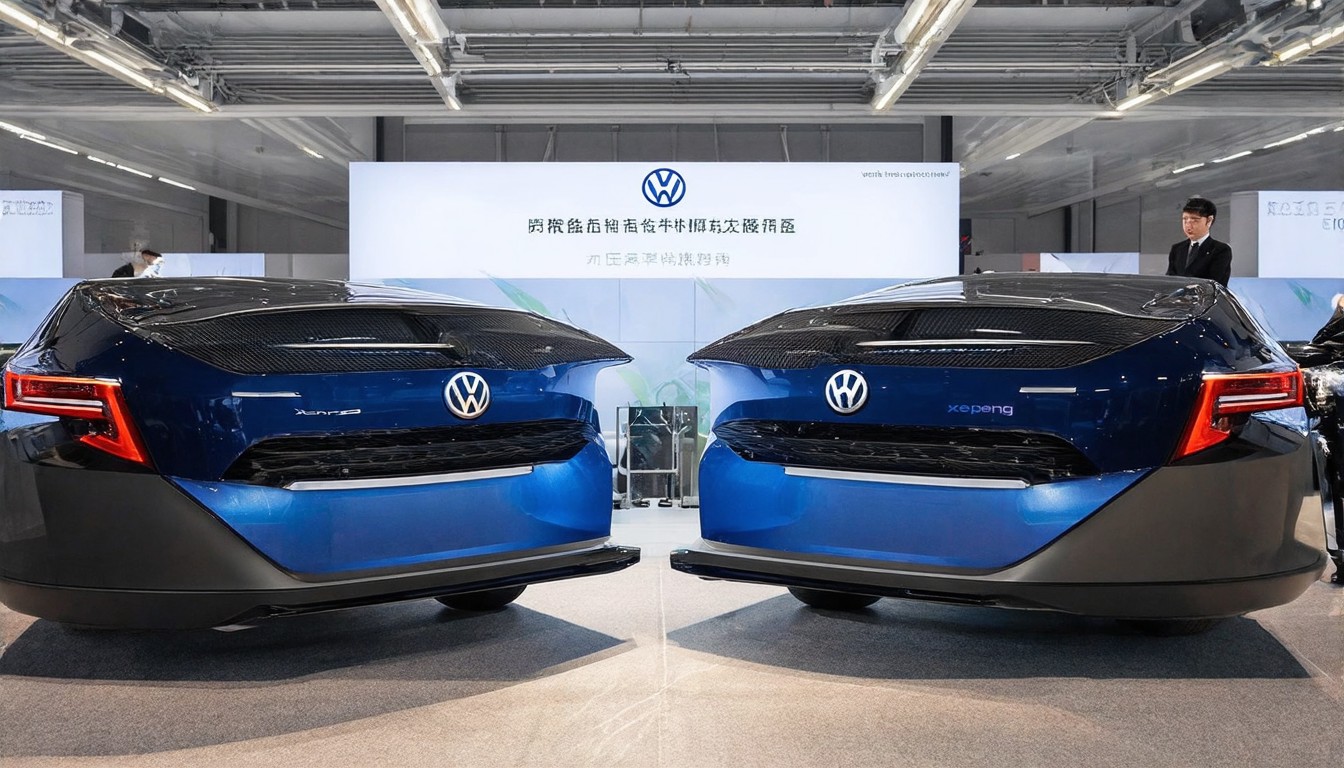
The recent partnership between Volkswagen Group and Chinese electric vehicle (EV) maker Xpeng highlights a growing concern among Western automakers about the potential threat posed by Chinese technology firms. This deal, which involves the development of software, hardware, and even vehicles, underscores the shift in the global automotive landscape, as Chinese companies are now capable of producing high-value components that were traditionally the domain of Western manufacturers.
Volkswagen, one of the world's largest automakers, has a significant presence in China, where it has been operating for decades. The collaboration with Xpeng, a relatively new entrant in the EV market, signals a strategic move by Volkswagen to leverage China's technological advancements and domestic expertise. Xpeng, founded in 2014, has quickly gained traction in the Chinese market, showcasing its innovative approach to EV technology and design.
The partnership between Volkswagen and Xpeng is not limited to the production of vehicles. The agreement encompasses the development of software and hardware, which are critical components in the rapidly evolving automotive industry. These high-value components have traditionally been developed and controlled by Western automakers, giving them a competitive edge. However, the collaboration with Xpeng suggests that Volkswagen is willing to share some of this control in exchange for access to cutting-edge technology and a stronger market presence in China.
This move by Volkswagen is indicative of a broader trend in the global automotive industry. As China continues to invest heavily in research and development, its technology firms are rapidly gaining the capability to produce components that were once considered the exclusive domain of Western companies. This shift not only challenges the traditional power dynamics in the industry but also poses a significant threat to Western automakers' competitive advantage.
The deal with Xpeng also reflects Volkswagen's recognition of the importance of the Chinese market. With the global shift towards electric vehicles, China's growing demand for EVs presents a lucrative opportunity for automakers. Volkswagen, like many other Western companies, has been investing heavily in China to capitalize on this market. The partnership with Xpeng allows Volkswagen to tap into Xpeng's local expertise and technological prowess, enabling it to better compete in the Chinese EV market.
However, this collaboration also raises concerns about the future of Western automakers. As Chinese firms like Xpeng continue to innovate and expand their capabilities, they may eventually challenge Western companies in their home markets. This could lead to a significant realignment of power in the global automotive industry, with Chinese firms becoming major players in the development and production of high-value components.
In response to this growing threat, Western automakers are likely to intensify their own investments in research and development, as well as their efforts to collaborate with Chinese firms. The Volkswagen-Xpeng deal serves as a cautionary tale, highlighting the need for Western companies to adapt and innovate to remain competitive in an increasingly globalized and technologically advanced automotive landscape.
In conclusion, the partnership between Volkswagen Group and Xpeng underscores the growing threat posed by Chinese technology firms to Western automakers. As Chinese companies like Xpeng continue to produce high-value components, the traditional competitive advantage of Western manufacturers is being challenged. This shift in the industry highlights the need for Western companies to adapt and collaborate with Chinese firms to remain relevant in the global automotive market. The future of the industry will likely be shaped by a complex interplay of competition, collaboration, and innovation, as both Western and Chinese automakers navigate the rapidly changing landscape of electric vehicles and advanced technology.









