
Vladimir Putin is dragging the world back to a bloodier time
His attempt to conquer Ukraine ignores the lessons of history
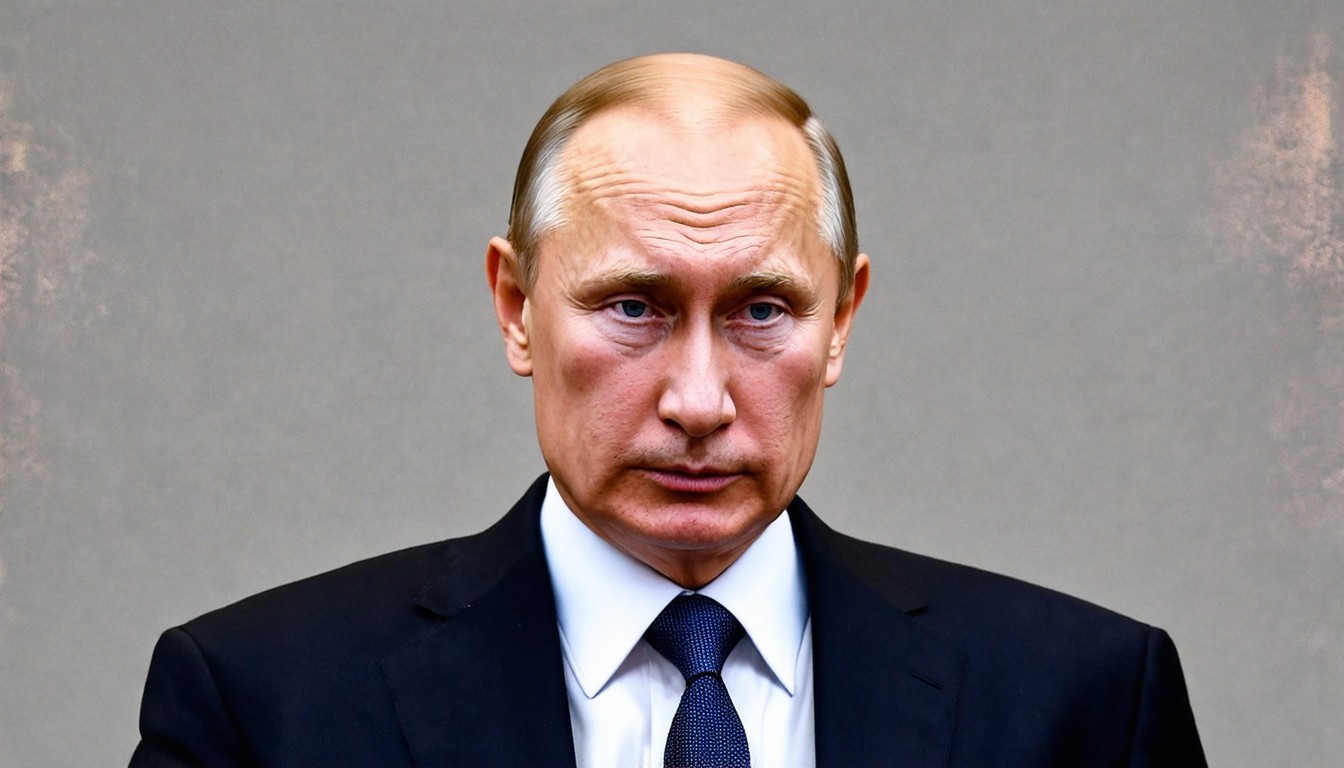
Vladimir Putin's invasion of Ukraine has ignited a global crisis, drawing parallels to the darkest moments in history. As the world watches in horror, the Russian leader's actions threaten to plunge the globe back into a time of widespread conflict and bloodshed. Critics argue that Putin's decision to launch this full-scale invasion disregards the lessons learned from past wars, particularly those that shaped the modern international order.
The invasion of Ukraine, which began in February 2022, has been met with widespread condemnation from the international community. Analysts and historians warn that Putin's actions risk destabilizing global security and reviving the tensions of the Cold War era. The conflict has already resulted in thousands of civilian casualties and forced millions to flee their homes, creating a humanitarian crisis of unprecedented scale.
One of the most significant concerns is the potential for the conflict to escalate beyond Ukraine's borders. As Russia continues to amass military forces near Ukraine's eastern and northern borders, neighboring countries like Poland, Finland, and the Baltic states are bracing for the possibility of further aggression. This situation echoes the geopolitical tensions of the 1930s, when aggressive expansionist policies by Nazi Germany and Imperial Japan set the stage for World War II.
Moreover, Putin's decision to invade Ukraine appears to ignore the lessons of the Cold War, a period marked by a delicate balance of power and the threat of nuclear annihilation. During this time, the United States and the Soviet Union engaged in a protracted standoff, often on the brink of direct conflict. The eventual collapse of the Soviet Union in 1991 led to a period of relative peace, but Putin's actions now threaten to undermine the stability that followed.
The invasion also raises questions about the effectiveness of international institutions and diplomacy. The United Nations, the European Union, and NATO have all played roles in attempting to mitigate the crisis, but their efforts have been hampered by Russia's refusal to engage in meaningful dialogue. This situation mirrors the failures of the League of Nations in the 1930s, which were unable to prevent the outbreak of World War II.
Furthermore, Putin's justification for the invasion—claims of denazification and the protection of Russian-speaking populations—echoes the rhetoric used by aggressive regimes in the past. This raises concerns about the resurgence of ideological extremism and the potential for further territorial disputes to escalate into full-scale wars.
The global economic fallout from the conflict is another pressing issue. Sanctions imposed on Russia have led to soaring energy prices and supply chain disruptions, threatening global food security and economic stability. This situation is reminiscent of the economic turmoil experienced during World War I and World War II, when resource scarcity and inflation were major challenges for nations both at war and those attempting to maintain neutrality.
In conclusion, Vladimir Putin's invasion of Ukraine is a stark reminder of the dangers of ignoring historical lessons and the importance of maintaining a peaceful international order. As the world watches this conflict unfold, the stakes could not be higher. The consequences of this crisis could reverberate for generations, potentially leading to a new era of global instability and conflict. The international community must remain vigilant and unified in its efforts to prevent a return to a bloodier time.









