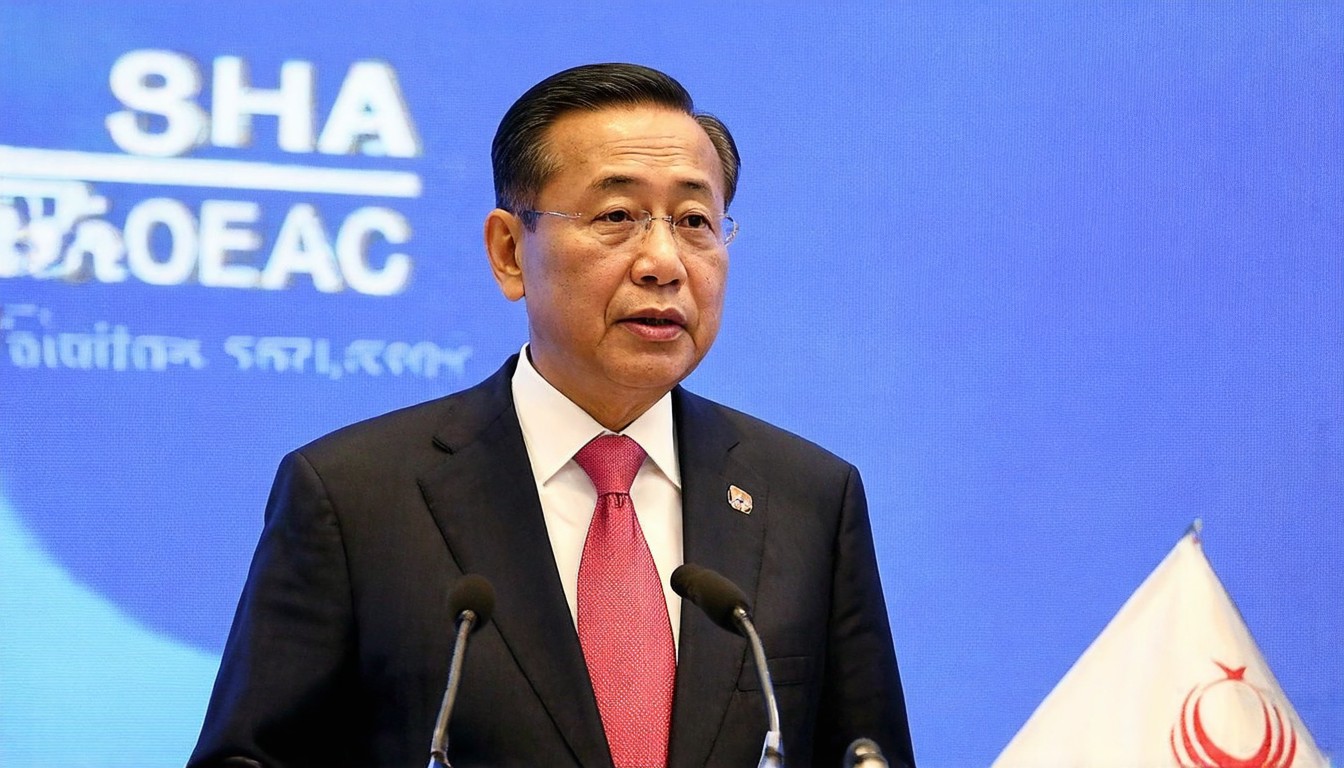
Vietnam’s top leader To Lam expands power, new PM elected
Communist Party Secretary-General To Lam was elected as the country’s state president.
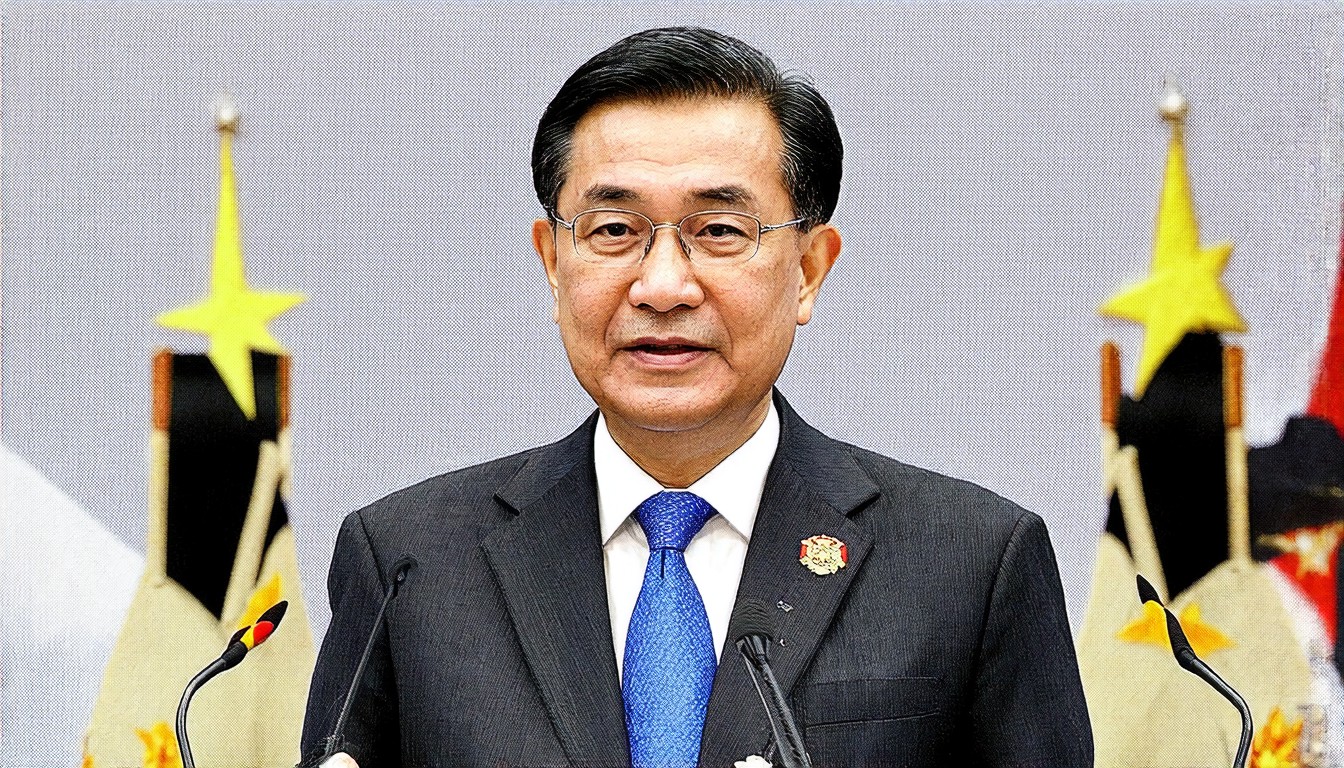
Vietnam's political landscape has undergone a significant shift as Communist Party Secretary-General To Lam was elected as the country's state president. This move, which solidifies To Lam's influence within the government, comes amid a broader restructuring of the nation's leadership. The election of a new prime minister further underscores the consolidation of power under To Lam's leadership.
To Lam's ascension to the presidency marks a pivotal moment in Vietnam's political history. As the Communist Party Secretary-General, To Lam has already demonstrated a strong commitment to steering the country's policies in a particular direction. His election as president signifies a clear expansion of his authority, allowing him to oversee both the party and the state apparatus. This dual role is unprecedented in recent Vietnamese history, as it combines the roles of the Communist Party leader and the head of state.
The election of a new prime minister, Phạm Minh Chính, also reflects the ongoing restructuring of Vietnam's leadership. Chính, who was previously the head of the National Assembly, is expected to work closely with To Lam to implement the new political direction. Chính's appointment is seen as a strategic move to balance the increased power of To Lam, ensuring that the government remains cohesive and effective in executing policy.
The decision to expand To Lam's power has been met with mixed reactions both domestically and internationally. Supporters argue that it is necessary to strengthen the central authority in the face of economic challenges and the need for political stability. Critics, however, express concerns about the concentration of power and its potential impact on political openness and transparency.
Vietnam's political system has traditionally been characterized by a balance of power among different branches, with the Communist Party playing a dominant role. The recent changes in leadership are seen as an attempt to streamline decision-making processes and enhance the government's ability to respond to global economic pressures and domestic needs.
The election of To Lam as president and the appointment of Chính as prime minister are likely to influence Vietnam's foreign policy and economic strategies. With a more centralized leadership, the country may adopt a more assertive stance in regional affairs and pursue aggressive economic reforms. The focus on economic development is expected to remain a priority, as Vietnam continues to navigate the challenges posed by the global economy and the aftermath of the COVID-19 pandemic.
In conclusion, the recent political changes in Vietnam, with To Lam's election as president and the appointment of a new prime minister, signal a significant shift in the nation's leadership structure. While this consolidation of power may enhance centralized decision-making, it also raises questions about the balance of authority and its implications for political dynamics. As Vietnam moves forward, observers will closely watch the impact of these changes on the country's domestic and international standing.