Vietnam’s Parliament convenes to confirm new state leaders
Members were elected in March in a vote which the Communist Party won almost 97 per cent of seats.
Vietnam’s Parliament convenes to confirm new state leaders
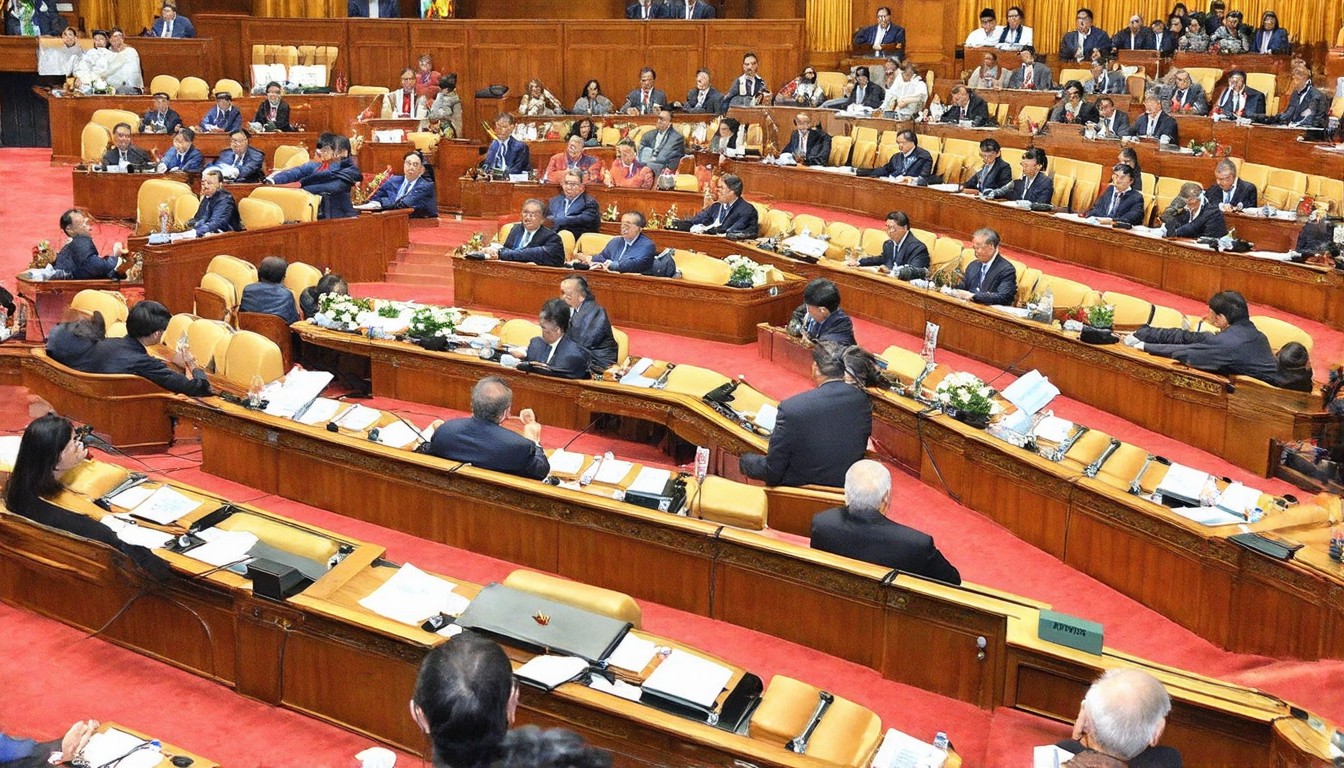
In a recent development, Vietnam’s National Assembly has convened to officially confirm the new state leaders elected in March. The elections, which were held in accordance with the country’s political system, saw the Communist Party of Vietnam secure a decisive victory, winning nearly 97 percent of the seats. This overwhelming majority reflects the continued dominance of the Communist Party in the nation’s political landscape.
The elections took place in a climate of relative stability, with the Communist Party maintaining its stronghold on power. The party’s success can be attributed to its long-standing influence and the country’s one-party system, which has been in place since Vietnam’s reunification in 1975. The Communist Party’s control over the political process ensures that its candidates are the primary contenders in the elections, and the results often reflect a high degree of voter approval for the party’s policies and leadership.
The March elections were marked by a high turnout, with over 90 percent of eligible voters participating. This participation is seen as a positive sign, indicating a level of civic engagement among the population. However, critics have raised concerns about the lack of genuine political competition and the absence of credible opposition parties in the elections. Despite these criticisms, the Communist Party has maintained its popularity, largely due to its successful economic policies and efforts to modernize the country.
The new state leaders, who have been elected to serve in various capacities within the government and legislative bodies, are expected to focus on key areas such as economic development, social welfare, and national security. The Communist Party has prioritized economic growth, with a focus on diversifying the economy and reducing reliance on traditional industries. Additionally, the government has implemented social welfare programs aimed at improving the living standards of the population, particularly the rural poor.
In the realm of foreign policy, Vietnam has maintained a policy of independence and non-alignment, balancing its relations with major global powers. The new leadership will likely continue this approach, focusing on strengthening ties with regional neighbors and global partners while preserving national sovereignty.
The confirmation of the new state leaders by the National Assembly marks a significant milestone in Vietnam’s political calendar. It also underscores the country’s commitment to its one-party system and the Communist Party’s vision for the nation’s future. As the new leaders take office, the international community will closely monitor their policies and actions, particularly in areas such as human rights and economic reforms.
In conclusion, the recent elections and the subsequent confirmation of new state leaders by Vietnam’s Parliament highlight the enduring influence of the Communist Party in the country. While there are concerns about the lack of political pluralism and the absence of credible opposition, the elections have been characterized by high voter turnout and a clear mandate for the Communist Party. The new leadership will face challenges in balancing economic growth with social welfare, while also navigating the complexities of the global political landscape. As Vietnam continues to evolve, the world will watch closely to see how the new leaders shape the country’s future.