
‘Vibe coding’ may offer insight into our AI future
Learning tech expert says it may take over writing software. Our job? Imagine possibilities, articulate what we want, evaluate.
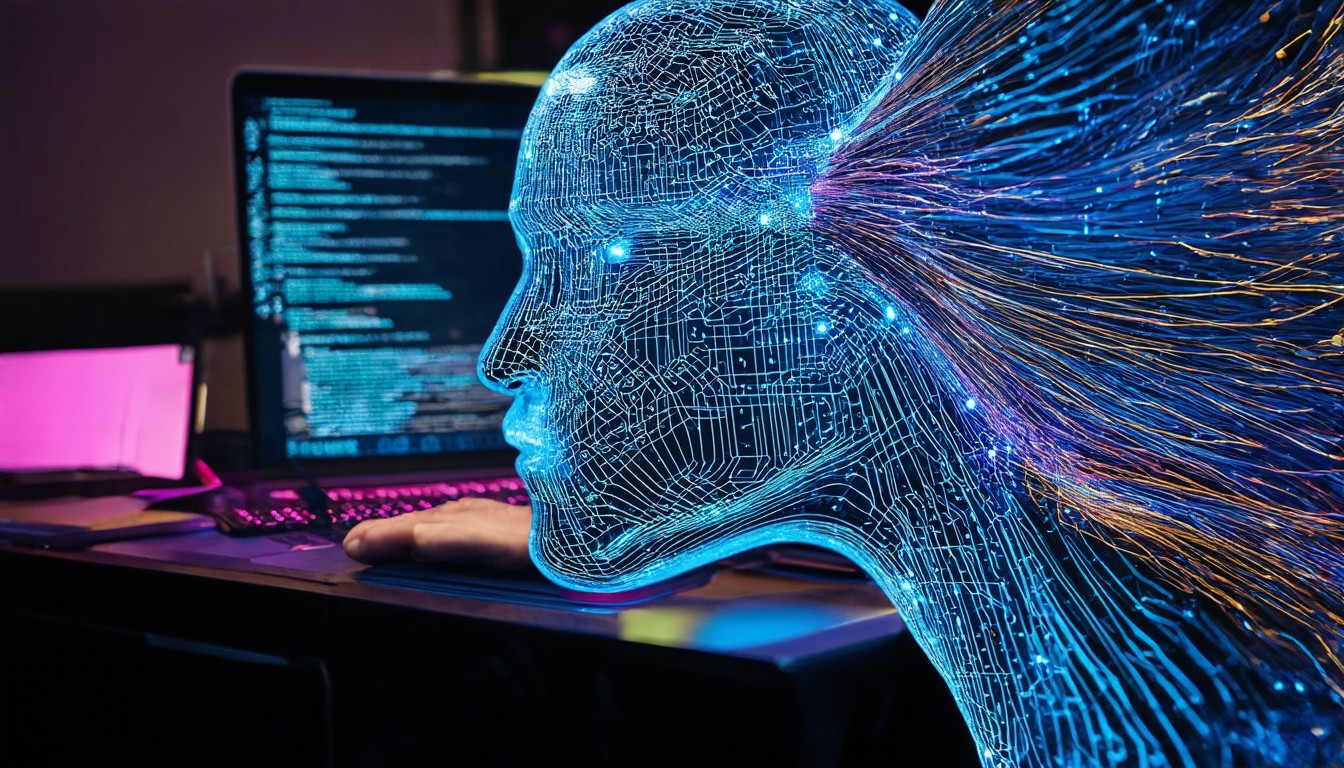
In a world where artificial intelligence (AI) continues to evolve at an unprecedented pace, a new concept known as "vibe coding" is gaining traction. This approach, which involves creating software with the assistance of AI without necessarily understanding the underlying code, could potentially revolutionize the way we develop applications and websites. As learning technology expert Karen Brennan, Timothy E. Wirth Professor of Practice in Learning Technologies at the Harvard Graduate School of Education, explores this emerging practice, she offers valuable insights into the future of AI and its implications for professionals.
Vibe coding, a term popularized by computer researcher Andrej Karpathy in February 2025, distinguishes itself from traditional software development by shifting the focus from coding expertise to the ability to articulate a vision. Instead of requiring users to write code, vibe coding allows individuals to describe in plain English what a program should do, and an AI agent will attempt to enact that vision. This process can result in software that may have limitations, but it can also be far more advanced than what someone without significant technical skills could produce.
Brennan's first experience with vibe coding came in December 2024 through a Harvard Initiative for Learning & Teaching-funded research project. As part of this project, she studied how students were using generative AI in self-directed projects. One of her students introduced her to v0, an AI-powered tool that exemplified the concept of vibe coding. Intrigued by the potential of this approach, Brennan began teaching a six-week course on vibe coding in late 2024, allowing students to explore the possibilities and challenges of this innovative method.
During an edited interview, Brennan shared her thoughts on vibe coding and the insights she has gained from her experiences. She explained that vibe coding is not just about the technology itself, but also about the shift in mindset required for individuals and organizations to embrace this new way of working. As AI continues to advance, the ability to clearly articulate what one wants and the capacity to evaluate the outcomes of AI-generated work will become increasingly important.
Brennan's course on vibe coding aimed to equip students with the skills needed to navigate this evolving landscape. By learning how to work with AI tools, students were able to envision and create software solutions that were beyond their initial capabilities. This approach not only democratizes access to technology but also fosters a deeper understanding of the potential and limitations of AI in software development.
As we look to the future, vibe coding raises important questions about the role of humans in the technology we create. While AI can undoubtedly enhance our ability to develop software, it also necessitates a new set of skills and responsibilities. The ability to imagine possibilities, articulate needs, and evaluate the results of AI-generated work will become crucial.
In conclusion, vibe coding represents a significant shift in the way we approach software development. By leveraging AI to create software without requiring an in-depth understanding of coding, this approach democratizes access to technology and allows individuals with diverse backgrounds to contribute to the development of innovative solutions. As experts like Karen Brennan continue to explore and refine this practice, it becomes clear that our future with AI will be shaped by our ability to harness its potential while navigating its limitations. As we move forward, the skills of imagination, articulation, and evaluation will be more important than ever, shaping the trajectory of our technological advancements.









