‘Very Important Bill’: Parliament Adjourned To Reconvene On April 16; Know What’s Coming
Parliament adjourned till April 16 as government plans bill to raise Lok Sabha seats from 543 to 816, enabling 33 percent reservation for women via Nari Shakti Vandan Adhiniyam
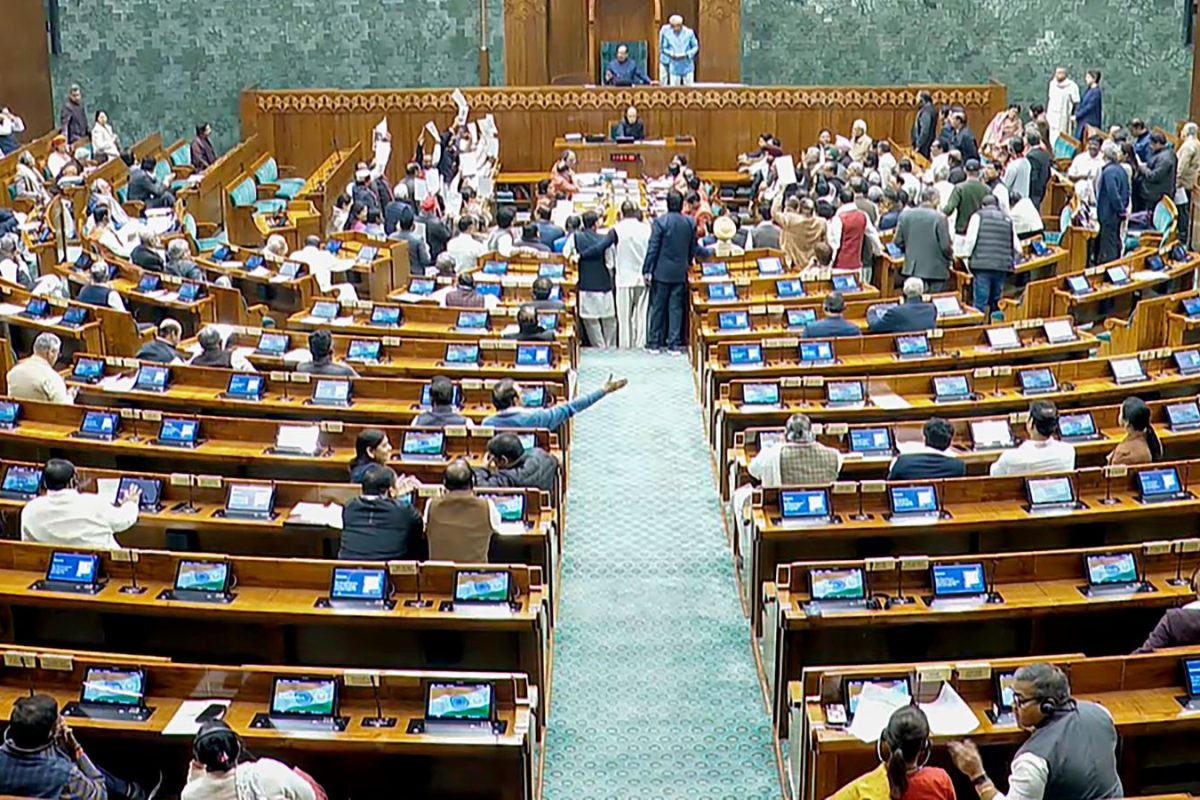
On March 27, the Indian Parliament adjourned its proceedings until April 16, setting the stage for a significant legislative agenda that includes a landmark bill aimed at expanding the Lok Sabha's membership and enhancing women's representation. The government's proposal to raise the number of Lok Sabha seats from the current 543 to 816 is a pivotal move that will reshape India's political landscape and empower women through the Nari Shakti Vandan Adhiniyam.
The decision to adjourn the parliamentary session until April 16 allows lawmakers ample time to deliberate on the implications of the proposed bill. This legislation, if enacted, will not only increase the total number of parliamentary seats but also facilitate a 33 percent reservation for women. This move is part of the government's commitment to addressing gender disparities and ensuring equitable representation in India's democratic institutions.
The Nari Shakti Vandan Adhiniyam, which translates to "Women's Empowerment and Honor Act," is a comprehensive policy framework designed to advance women's rights and participation in various sectors of society. The bill's core objective is to enhance women's political representation by increasing the number of seats reserved for them in the Lok Sabha. This expansion aims to create a more inclusive and representative parliament, reflecting the diverse demographics of the Indian populace.
The proposed increase in Lok Sabha seats from 543 to 816 is a substantial leap, reflecting the government's determination to address systemic barriers faced by women in politics. The additional seats will be distributed across different states and union territories, ensuring that each region benefits from increased representation. This expansion will also necessitate a reassessment of electoral boundaries and constituency demographics, ensuring that the new seats are allocated in a manner that reflects the evolving socio-political landscape of India.
The 33 percent reservation for women in the Lok Sabha is a significant departure from the current 17.5 percent reservation mandated by the 73rd Amendment to the Indian Constitution. By tripling the reservation percentage, the government seeks to break the glass ceiling and encourage more women to enter the political arena. This ambitious target will require a concerted effort from political parties, civil society, and the government to identify and support viable women candidates.
The Nari Shakti Vandan Adhiniyam is not limited to reservations in the Lok Sabha. It also includes measures to promote women's participation in local governance, such as increasing the number of seats reserved for women in state legislative assemblies and panchayats. Additionally, the bill proposes incentives for political parties to field more women candidates, including financial assistance and mentorship programs.
The proposed bill has sparked a range of reactions from political analysts, civil society organizations, and the general public. Supporters argue that the legislation is a necessary step towards achieving gender parity and addressing the underrepresentation of women in India's political institutions. They contend that the increased reservations will empower women to take an active role in shaping policies that impact their lives, fostering a more equitable and just society.
Critics, however, express concerns about the potential negative consequences of such a rapid expansion of parliamentary seats. They argue that the increased number of seats may dilute the effectiveness of the Lok Sabha, leading to a less efficient and accountable legislative body. Additionally, there are concerns about the feasibility of implementing the bill within the short timeframe between the adjournment and the reconvening of parliament.
Despite these reservations, the government remains committed to pushing forward with the Nari Shakti Vandan Adhiniyam. As the parliament reconvenes on April 16, lawmakers will face a critical opportunity to debate and potentially pass a landmark piece of legislation that could reshape India's political landscape for generations to come.
In conclusion, the adjournment of the Indian Parliament until April 16 marks the beginning of a pivotal period in India's political history. The proposed Nari Shakti Vandan Adhiniyam, which aims to expand the Lok Sabha's membership and increase women's reservations to 33 percent, is a bold initiative that seeks to address systemic gender disparities and promote equitable representation in India's democratic institutions. As the debate unfolds, it will be crucial for lawmakers to weigh the potential benefits against the challenges posed by this ambitious legislation. The outcome of this parliamentary session could have a lasting impact on India's political future and the empowerment of women across the nation.