Vedanta, Hindustan Zinc Face ED Probe Amidst FEMA Investigation
Metals conglomerate Vedanta has confirmed that the Enforcement Directorate recently conducted visits to its offices, as well as those of its subsidiary Hindustan Zinc. These visits are reportedly part of an ongoing investigation under the Foreign Exchange Mana
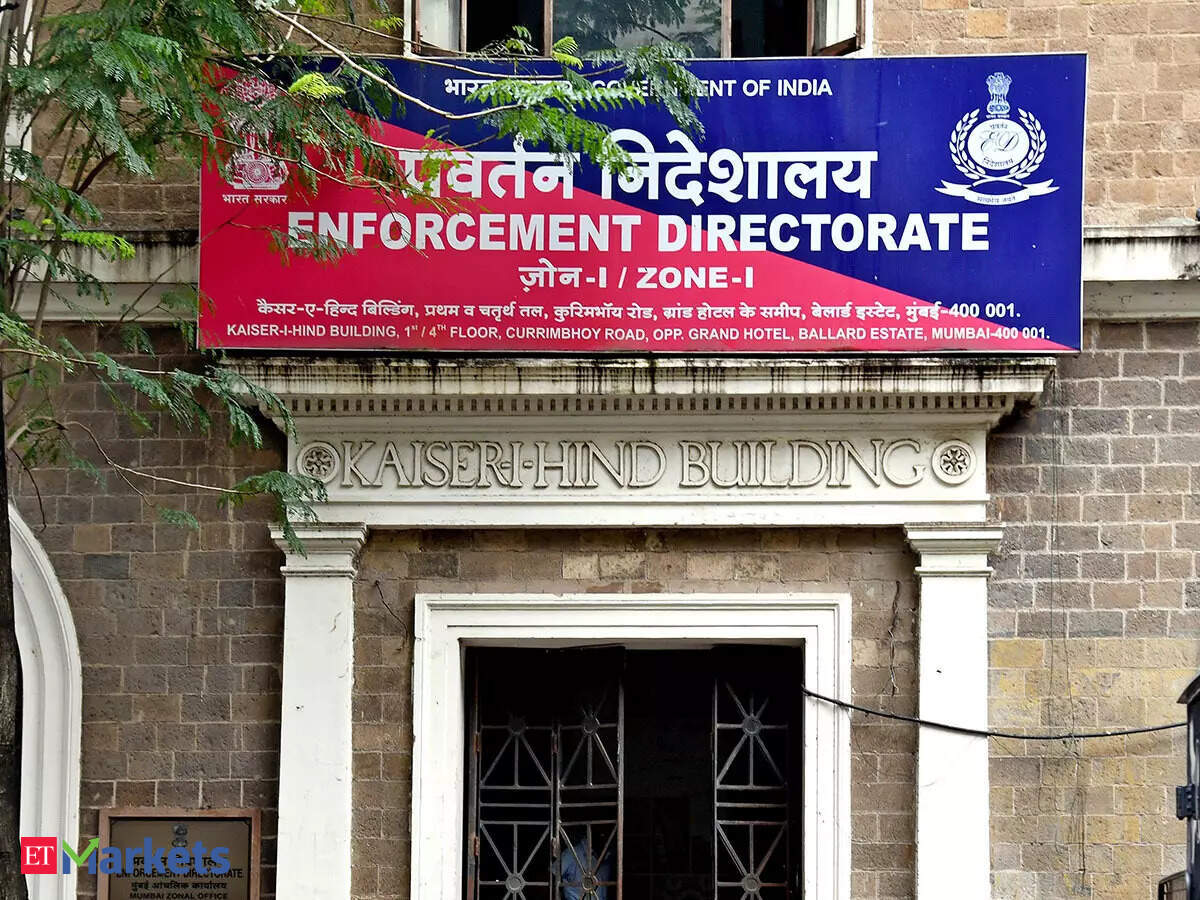
In a significant development for India's metals and mining sector, Vedanta Limited has officially confirmed that the Enforcement Directorate (ED) recently conducted visits to its offices. Concurrently, the ED also visited the premises of Hindustan Zinc, a key subsidiary of Vedanta. These regulatory actions are reportedly part of an ongoing investigation being carried out under the provisions of the Foreign Exchange Management Act (FEMA). In response to these developments, Vedanta has publicly affirmed its commitment to providing full cooperation to the investigating agency, signaling transparency and adherence to legal processes.
The Enforcement Directorate is a multi-disciplinary organization mandated to investigate economic crimes and violations of foreign exchange laws in India. Its primary role involves enforcing the Foreign Exchange Management Act, 1999 (FEMA), and the Prevention of Money Laundering Act, 2002 (PMLA). A probe under FEMA typically focuses on alleged contraventions of foreign exchange regulations, which can range from unauthorized foreign exchange transactions to issues related to overseas investments and remittances. Such investigations, while not inherently indicative of wrongdoing, often prompt close scrutiny from regulatory bodies and the wider financial community, given their potential implications for corporate governance and compliance standards.
Vedanta Limited stands as a global diversified natural resources company with significant operations in India, spanning oil and gas, zinc, lead, silver, copper, iron ore, aluminium, and power. Hindustan Zinc, in which Vedanta holds a majority stake, is one of the world's largest integrated producers of zinc, lead, and silver. The prominence of both entities in the Indian industrial landscape means that any regulatory action involving them naturally garners considerable attention from investors, analysts, and stakeholders, impacting market sentiment and potentially influencing stock valuations.
Indeed, the news of the ED visits has immediately placed the shares of both Vedanta and Hindustan Zinc under renewed focus in the stock market. While the exact nature and scope of the FEMA probe have not been publicly detailed beyond its confirmation, such regulatory scrutiny can often introduce an element of uncertainty for investors. Market participants typically react to such news by evaluating potential risks, including reputational damage, financial penalties, or operational disruptions, depending on the eventual findings of the investigation. The market's response will likely be closely tied to further disclosures and the progress of the ED's inquiry.
This development, however, unfolds against a backdrop of recent positive news for Vedanta. Only a short while ago, ICRA, a leading credit rating agency, upgraded Vedanta's credit rating. Credit rating upgrades are significant indicators of a company's financial health and its ability to meet its debt obligations. They often reflect improved financial stability, reduced risk, and enhanced operational performance, making a company more attractive to lenders and investors. Such upgrades can lead to lower borrowing costs and improved access to capital markets, which are crucial for large-scale industrial operations.
ICRA's decision to upgrade Vedanta's rating was reportedly based on several key factors. The agency cited a "strengthening credit profile" for the company, suggesting an improvement in its overall financial structure, including debt management and liquidity. Furthermore, ICRA highlighted Vedanta's "strong financial performance," indicating robust earnings and profitability. A significant driver for this strong performance, as noted by the rating agency, was the favorable movement in "base metal prices." The global commodities market, particularly for base metals like zinc, lead, and aluminium, has seen periods of volatility and growth, directly impacting the revenues and profitability of major producers such as Vedanta and Hindustan Zinc. Elevated commodity prices can substantially boost a company's top line and bottom line, contributing to a healthier financial outlook.
Vedanta's prompt statement of full cooperation with the Enforcement Directorate is a crucial aspect of its response to the probe. In an era of heightened corporate governance expectations and stringent regulatory oversight, companies are increasingly expected to demonstrate transparency and accountability. Full cooperation with investigating agencies not only helps in expediting the investigative process but also reinforces a company's commitment to ethical business practices and compliance with national laws. This proactive stance can be vital in managing stakeholder perceptions and mitigating potential negative impacts on reputation.
The confluence of these events – a regulatory probe by the ED under FEMA and a recent credit rating upgrade driven by strong financial performance – presents a complex picture for Vedanta and Hindustan Zinc. It underscores the dynamic environment in which large corporations operate, where operational successes and market conditions can rapidly shift alongside regulatory challenges. For investors, it means balancing the positive signals from improved financial metrics and creditworthiness against the potential uncertainties arising from an ongoing government investigation.
As the FEMA probe progresses, the market will undoubtedly be watching for further official communications from Vedanta and any updates from the Enforcement Directorate. The outcome of such investigations can have far-reaching consequences, influencing not only the companies directly involved but also setting precedents for corporate compliance within the broader Indian business ecosystem. Meanwhile, the underlying financial strength and operational performance, particularly in a robust commodities market, will continue to be critical factors shaping the investment narrative around these key metal sector players.