
UV glow test measures air disinfection performance in minutes
The effectiveness of air disinfection devices may now be measured in minutes, rather than hours, with a new technique from University of Michigan Engineering. This is important for researchers developing better antiviral air purifiers, helping to mitigate outbreaks of viral respiratory diseases and prepare for the next pandemic.
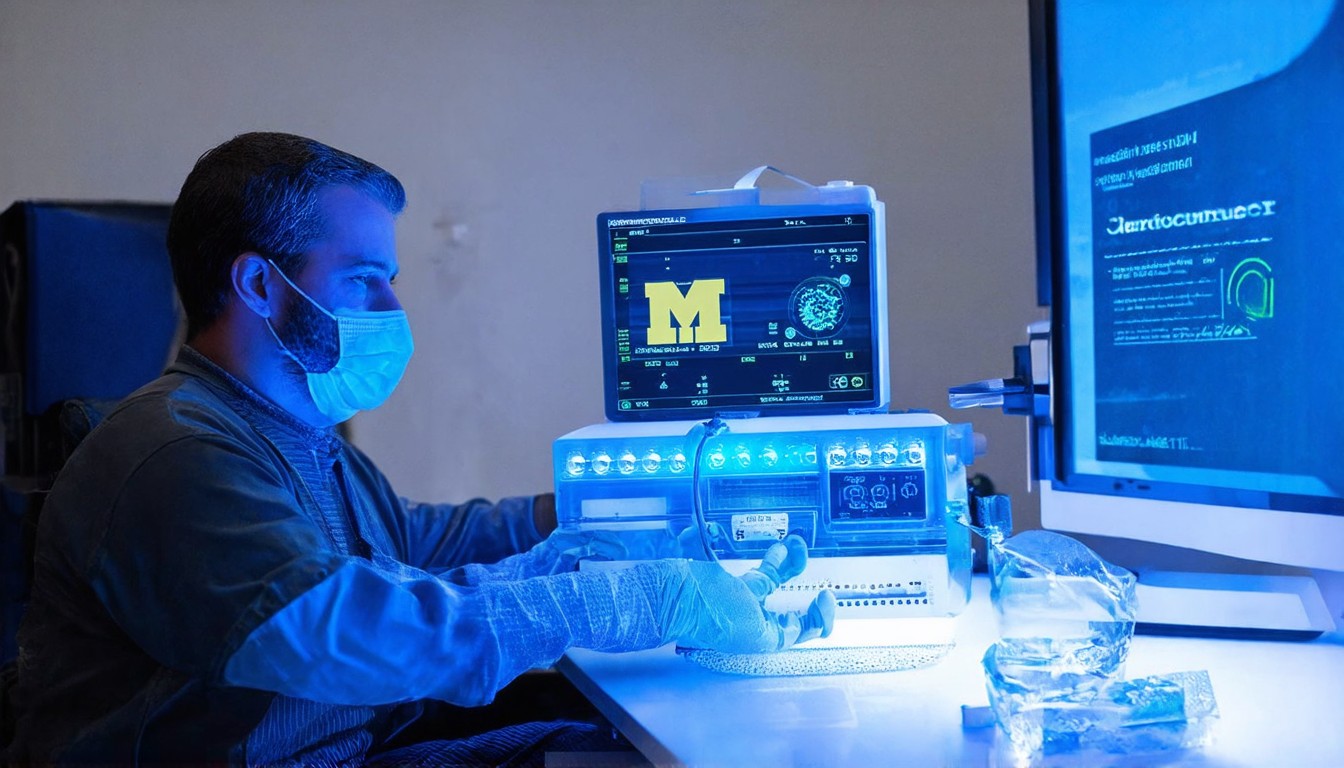
In a breakthrough for air quality and public health, researchers at the University of Michigan Engineering have developed a new method to measure the effectiveness of air disinfection devices in just minutes. Previously, assessing the performance of such devices required hours-long tests, which slowed down the research process and hindered the development of more effective antiviral air purifiers.
The innovative technique, dubbed the "UV glow test," utilizes ultraviolet (UV) light to detect the presence of viruses and bacteria in the air. By shining UV light on a sample of air, the test can quickly identify the presence of microorganisms. The intensity of the UV light's glow then serves as an indicator of the air's microbial load. This method allows researchers to monitor the disinfection process in real-time, providing valuable insights into how well air purifiers are eliminating pathogens.
The development of the UV glow test is particularly significant in the context of the ongoing global efforts to combat viral respiratory diseases, such as COVID-19, and prepare for future pandemics. With the ability to measure air disinfection performance in minutes, researchers can now more efficiently evaluate the efficacy of various air purification technologies. This accelerated testing process enables them to identify the most promising devices and refine their designs more quickly, ultimately leading to the creation of more effective air purifiers.
The UV glow test also offers a practical advantage for public health officials and building managers who need to ensure that indoor environments are safe for occupants. By quickly assessing the performance of air disinfection systems, these stakeholders can make informed decisions about the need for additional purification measures or the frequency of system maintenance. This real-time monitoring capability is crucial for maintaining air quality in high-risk settings, such as hospitals, schools, and public transportation systems.
The University of Michigan Engineering team's innovation is not the first instance of UV light being used in air quality research. Previously, UV light has been employed to study the transmission of viruses in the air and to develop UV-based air purification technologies. However, the UV glow test represents a significant advancement in the field by providing a rapid, non-destructive method for assessing the performance of existing air disinfection devices.
The development of the UV glow test underscores the importance of interdisciplinary collaboration in addressing complex challenges like airborne disease transmission. By combining expertise in engineering, virology, and public health, researchers at the University of Michigan have created a tool that has the potential to revolutionize the way air disinfection is evaluated and implemented.
In conclusion, the UV glow test offers a groundbreaking solution to the long-standing issue of measuring air disinfection performance. By enabling researchers to assess the effectiveness of air purifiers in minutes, this technique accelerates the development of more advanced antiviral technologies and supports global efforts to mitigate the spread of viral respiratory diseases. As the world continues to grapple with the challenges posed by pandemics, the UV glow test serves as a powerful example of how innovative research can make a tangible difference in protecting public health.









