
UV glow test measures air disinfection performance in minutes
The effectiveness of air disinfection devices may now be measured in minutes, rather than hours, with a new technique from University of Michigan Engineering. This is important for researchers developing better antiviral air purifiers, helping to mitigate outbreaks of viral respiratory diseases and prepare for the next pandemic.
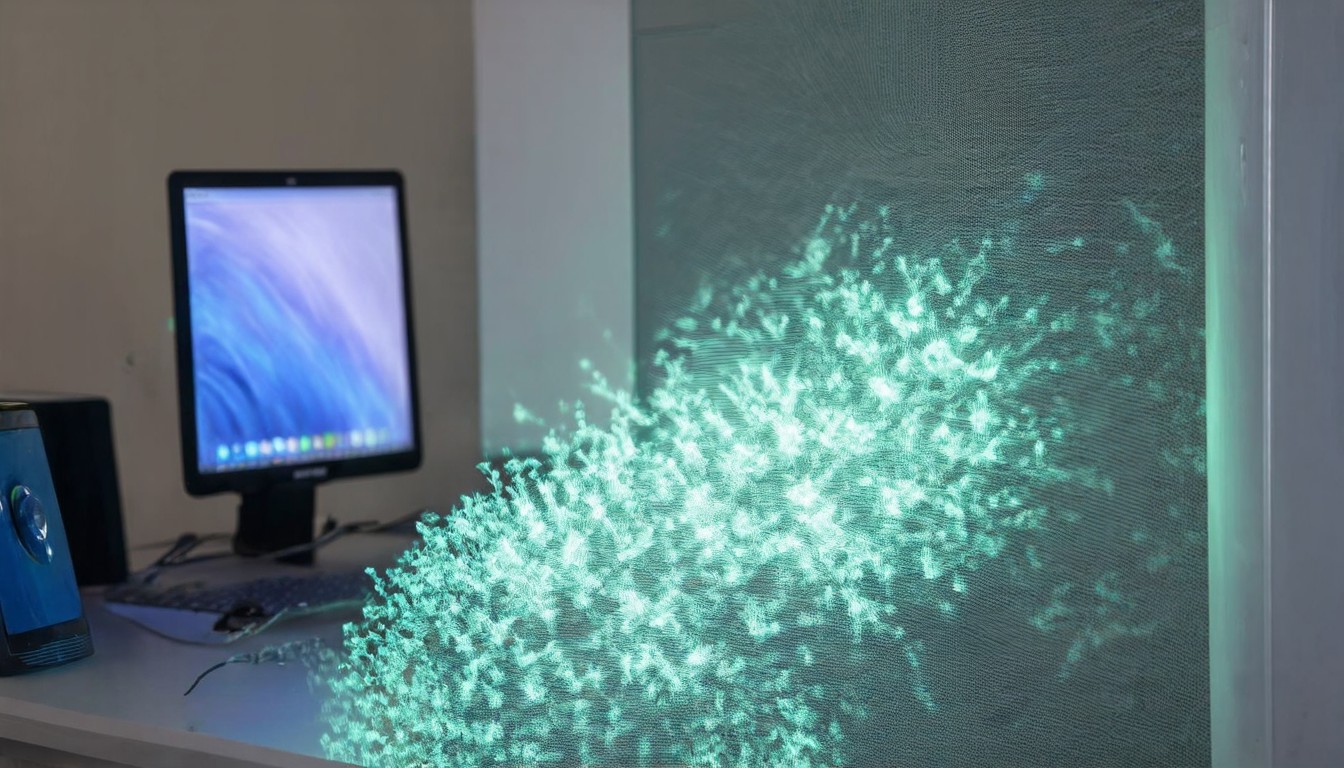
The University of Michigan Engineering has developed a groundbreaking technique that allows researchers to measure the effectiveness of air disinfection devices in minutes, rather than the traditional hours. This innovation, which has the potential to revolutionize the field of air purification, is particularly significant in the context of ongoing efforts to combat viral respiratory diseases and prepare for future pandemics.
The new method, known as the UV glow test, utilizes ultraviolet (UV) light to assess the performance of air disinfection systems. By illuminating the air with UV light, researchers can observe the intensity of the glow emitted by the light as it passes through the purified air. The diminished glow indicates the successful elimination of microorganisms, such as viruses and bacteria, by the air disinfection device. This rapid assessment not only saves time but also provides a more accurate measure of the system's efficacy compared to traditional methods.
The development of the UV glow test is a significant advancement for researchers working on antiviral air purifiers. Previously, evaluating the performance of these devices required lengthy processes, often involving the cultivation of microorganisms on agar plates to confirm their elimination. This time-consuming method not only delayed the research process but also posed potential risks to researchers handling live pathogens. The UV glow test, on the other hand, offers a safer and quicker alternative, enabling researchers to test multiple air disinfection systems more efficiently.
The ability to measure air disinfection performance in minutes is crucial for the rapid development of effective antiviral air purifiers. As the world continues to grapple with the challenges posed by viral respiratory diseases, such as COVID-19, the need for reliable air purification technologies has never been greater. The UV glow test provides a valuable tool for researchers to quickly identify and refine the most promising air disinfection solutions, ultimately contributing to the mitigation of outbreaks and the preparation for future pandemics.
In addition to its practical applications, the UV glow test also offers insights into the mechanisms of air disinfection. By analyzing the intensity and patterns of the UV glow, researchers can gain a deeper understanding of how air disinfection devices work and identify areas for improvement. This knowledge can lead to the development of more efficient and cost-effective air purification technologies, making them more accessible to communities around the world.
The University of Michigan Engineering's innovation is expected to have a profound impact on the field of air quality research and the development of air disinfection technologies. By providing a rapid and reliable method for assessing the performance of air purifiers, the UV glow test empowers researchers to accelerate the creation of effective solutions for combating viral respiratory diseases. As the world continues to face the challenges of airborne pathogens, this new technique serves as a beacon of hope for a safer and healthier future.









