
USDA Baseline Points to Declining U.S. Row Crop Acreage
The U.S. Department of Agriculture’s most recent ten-year projection through 2035 points to a gradual but persistent decline in U.S. planted acreage to major row crops. In recent decades, total…
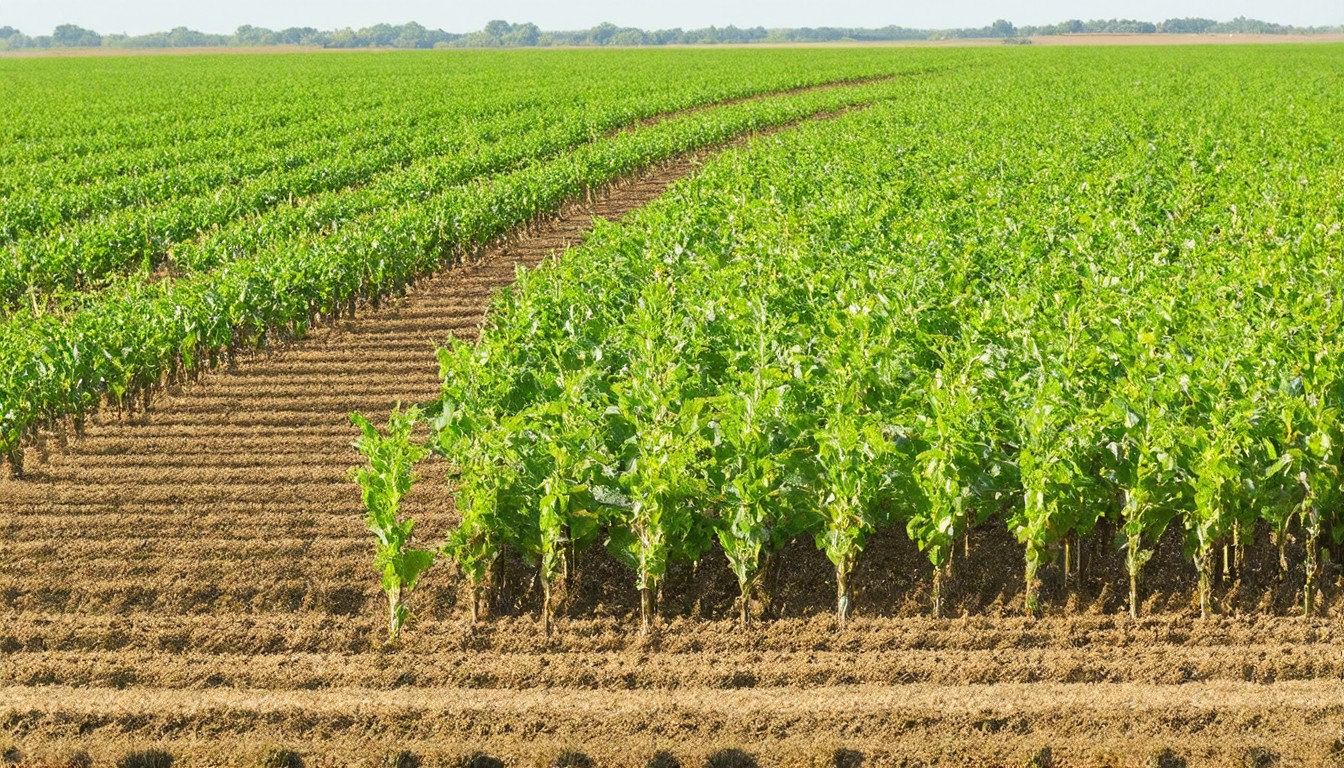
The U.S. Department of Agriculture (USDA) has released its latest ten-year projection, indicating a gradual but persistent decline in the U.S. planted acreage to major row crops by 2035. This development marks a significant shift in agricultural trends, as row crops have long been a cornerstone of American agriculture. The decline is expected to be driven by a combination of factors, including changing consumer preferences, environmental concerns, and advancements in farming technology.
In recent decades, total row crop acreage in the United States has fluctuated, but the latest USDA projections suggest a more pronounced downward trend. Major row crops, such as corn, soybeans, wheat, and cotton, have historically dominated the nation's farmland. However, the projected decline underscores a broader transformation in agricultural practices and land use.
One of the primary drivers of this shift is the growing demand for alternative crops, particularly those aligned with sustainability and environmental health. Consumers are increasingly seeking food produced through more sustainable methods, such as organic farming or regenerative agriculture. This trend has encouraged farmers to diversify their crops, reducing their reliance on traditional row crops.
Additionally, environmental concerns have played a role in the decline. The intensive farming practices associated with row crops, such as heavy use of pesticides and fertilizers, have raised public awareness about the need for more sustainable agricultural practices. As a result, there has been a push for conservation and the preservation of natural habitats, which has led to a reduction in the acreage allocated to row crops.
Technological advancements have also contributed to the changing landscape. Precision agriculture techniques, such as variable rate technology and GPS-guided equipment, have improved the efficiency of farming. This has allowed farmers to produce more with less land, reducing the need for expanding row crop acreage. Furthermore, innovations in crop science have led to the development of high-yielding varieties that require fewer resources, further diminishing the demand for additional land.
The decline in row crop acreage is not uniform across all regions. Some areas may experience more significant reductions due to factors such as soil degradation, while others may see less impact. However, the overall trend points to a gradual shift in agricultural priorities.
The USDA's projections also highlight the importance of adapting to these changes. Policymakers and farmers must collaborate to develop strategies that support the transition to more sustainable agricultural practices. This may involve incentives for alternative crops, investments in research and development, and education on sustainable farming techniques.
In conclusion, the USDA's ten-year projection of declining U.S. row crop acreage by 2035 reflects a broader transformation in American agriculture. Driven by consumer preferences, environmental concerns, and technological advancements, the nation's agricultural landscape is evolving. As farmers and policymakers adapt to these changes, it will be crucial to balance productivity with sustainability to ensure the long-term health of the nation's food system.









