
US warns of software vulnerability that could enable malicious actors to take over drones
The United States Cybersecurity and Infrastructure Security Agency (CISA) warns that hackers could take control of a drone due to a security vulnerability in PX4
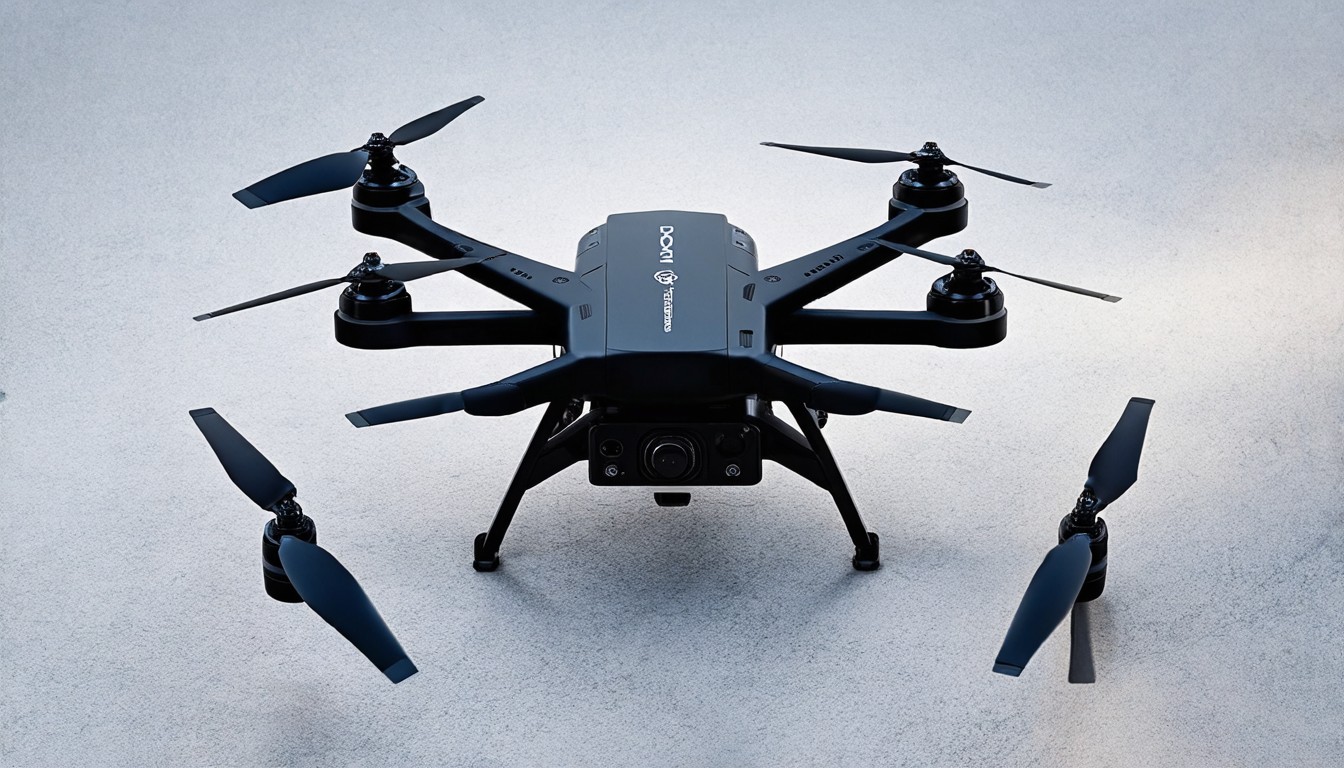
The United States Cybersecurity and Infrastructure Security Agency (CISA) has issued a warning about a software vulnerability that could potentially allow malicious actors to take control of drones. The issue stems from a security flaw in PX4 Autopilot software, which is widely used in drones for navigation and flight control.
In a recent advisory, CISA detailed the vulnerability, stating that an attacker with access to the MAVLink interface could exploit it to execute arbitrary shell commands without requiring cryptographic authentication. This means that a hacker could potentially gain unauthorized access to a drone's systems, allowing them to manipulate its flight path or even take direct control of the device.
The agency emphasized that while there have been no reported instances of this specific vulnerability being exploited in the wild, the risk remains a significant concern. As drone technology continues to advance and become more integrated into various industries, from agriculture and construction to delivery services and aerial photography, the potential for malicious actors to exploit such vulnerabilities grows.
To mitigate the risk of exploitation, CISA recommended several defensive measures for drone operators and manufacturers. First, it advised minimizing the network exposure of all control system devices and systems, ensuring they are not accessible from the internet. This can be achieved by locating control system networks and remote devices behind firewalls and isolating them from business networks.
For situations where remote access is necessary, CISA suggested using more secure methods, such as Virtual Private Networks (VPNs). However, the agency cautioned that VPNs themselves may have vulnerabilities and should be updated to the most current version available. It also noted that the security of a VPN is only as strong as the devices it connects, emphasizing the need for ongoing vigilance and protection of connected systems.
Despite these recommendations, the vulnerability in PX4 Autopilot software highlights the ongoing challenges faced by the drone industry in ensuring the security of its systems. As drones become increasingly prevalent and integrated into daily life, the need for robust cybersecurity measures becomes even more critical.
CISA's warning serves as a reminder for drone operators and manufacturers to prioritize cybersecurity in their operations. By implementing strong security practices and staying informed about potential vulnerabilities, the industry can help safeguard against malicious attacks and protect the public from potential harm.
In conclusion, the discovery of a software vulnerability in PX4 Autopilot software has raised concerns about the potential for hackers to take control of drones. While there have been no confirmed exploits, the risk remains a significant threat to the growing drone industry. By following CISA's recommendations and prioritizing cybersecurity, operators and manufacturers can help mitigate these risks and ensure the safe and secure use of drones in various applications.









