US covert oil transfers move 90 million barrels out of Gulf
A new report reveals the United States established a covert offshore oil-transfer network near the Strait of Hormuz, moving 90 million barrels of crude via ship-to-ship transfers off Oman and the UAE to bypass Tehran's blockade.
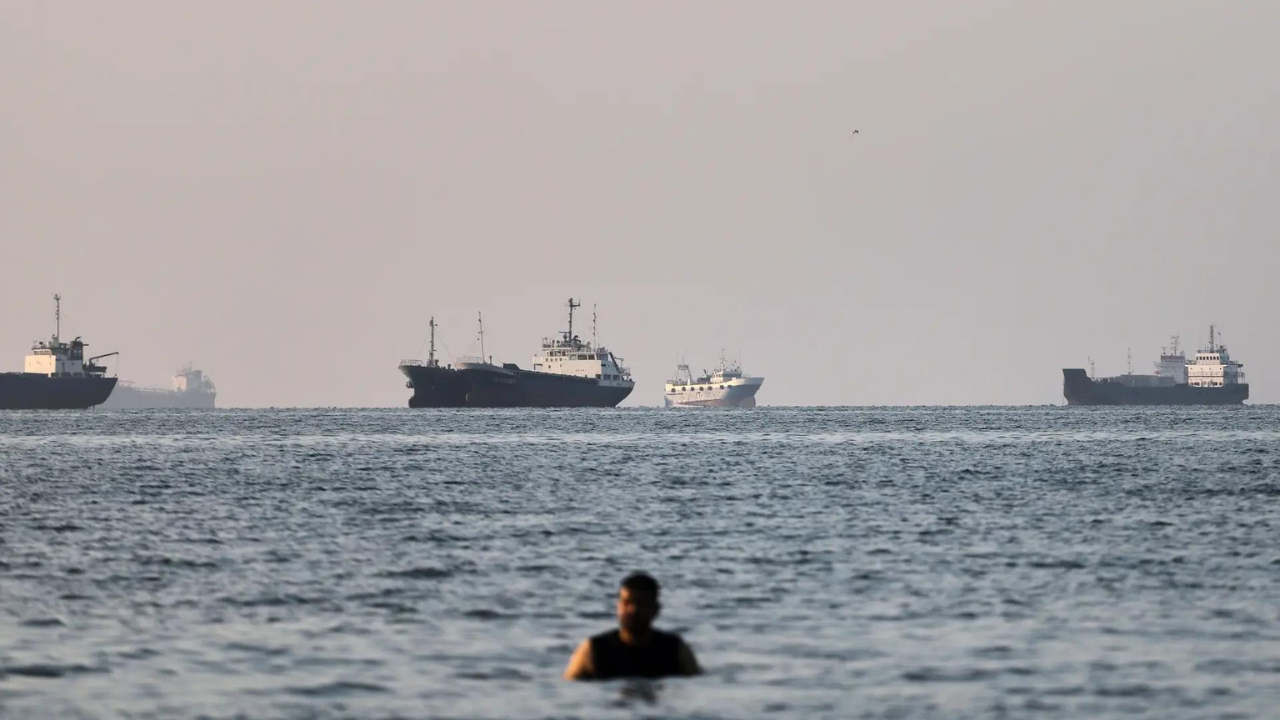
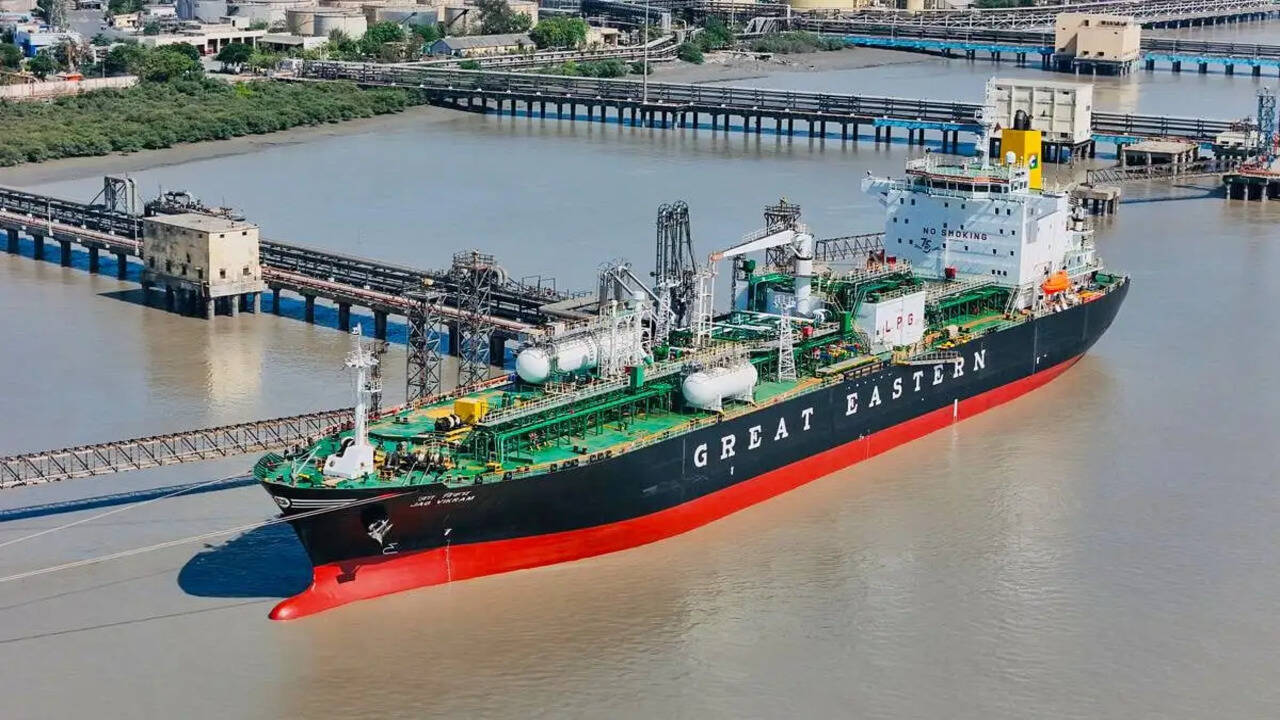
The United States has reportedly established a covert offshore oil-transfer network near the Strait of Hormuz, moving an estimated 90 million barrels of crude oil out of the Gulf using ship-to-ship transfers off the coasts of Oman and the United Arab Emirates. The operation, which mirrors tactics long employed by Iran, is designed to circumvent Tehran's blockade of the strategic waterway, according to a new report. The network relies on a series of clandestine ship-to-ship transfers, a method typically associated with sanctions evasion and covert state-backed oil trading.
By conducting these transfers in international waters off Oman and the UAE, the United States has sought to maintain the flow of Gulf crude exports without triggering a direct confrontation with Iran over access to the Strait of Hormuz. The Strait of Hormuz is a narrow chokepoint connecting the Persian Gulf to the open ocean, through which roughly one-fifth of the world's oil passes. Iran has periodically threatened to close or disrupt the strait in response to geopolitical tensions, most recently as part of its broader confrontation with the United States over sanctions and regional influence.
By adopting Iran-style covert transfer methods, the United States has effectively created a parallel export channel that bypasses the strait entirely. The ship-to-ship operations allow crude to be moved from larger tankers to smaller vessels that can navigate alternative routes, or to be transferred to vessels with different flags and documentation to obscure the origin of the cargo. While the network has enabled continued exports from Gulf producers, its reliance on clandestine methods raises significant concerns about vulnerability.
Covert ship-to-ship transfers are inherently risky, subject to detection by rival navies, interception by pirates, or disruption by state actors. The lack of transparency also complicates insurance, legal liability, and environmental safety protocols. The report does not specify which U. agencies or private contractors are operating the network, nor does it detail the exact timeline of the transfers. However, the scale of the operation—90 million barrels—suggests a sustained, high-level effort involving coordination between military, intelligence, and commercial entities.
This development underscores the lengths to which the United States is willing to go to ensure the stability of global oil markets amid heightened tensions in the Middle East. It also highlights the increasingly blurred lines between conventional naval power and covert economic warfare in the region. The use of Iran-style tactics by the United States carries symbolic weight. For years, Iran has employed similar ship-to-ship transfers to evade international sanctions on its own oil exports, moving crude from Iranian tankers to foreign vessels in the South China Sea and elsewhere.
By mirroring those methods, Washington has effectively acknowledged the effectiveness of such covert logistics—while also exposing itself to the same risks and criticisms. Regional analysts warn that the network could become a flashpoint for escalation. If Iran detects U. -operated covert transfers, it may view them as a provocation or a violation of its claimed maritime rights. Conversely, if the network is disrupted, the resulting supply shock could send global oil prices soaring.
For now, the covert transfer network remains operational, a quiet but critical component of U. strategy to maintain energy flows through one of the world's most volatile waterways. The full extent of the operation, and its long-term consequences, may not be known for years.