
US Supreme Court clears path to overturn conviction of Steve Bannon
The US Supreme Court on Monday cleared the way for Steve Bannon, a former adviser to US President Donald Trump, to overturn his conviction in a case linked to the January 6 attack on the Capitol. Bannon, a leading figure on the far-right, served four months in prison in 2024 for defying a subpoena to testify before a congressional panel investigating the 2021 attack. But he appealed to the Supreme Court to have the conviction overturned, a legal challenge the Trump administration joined in...
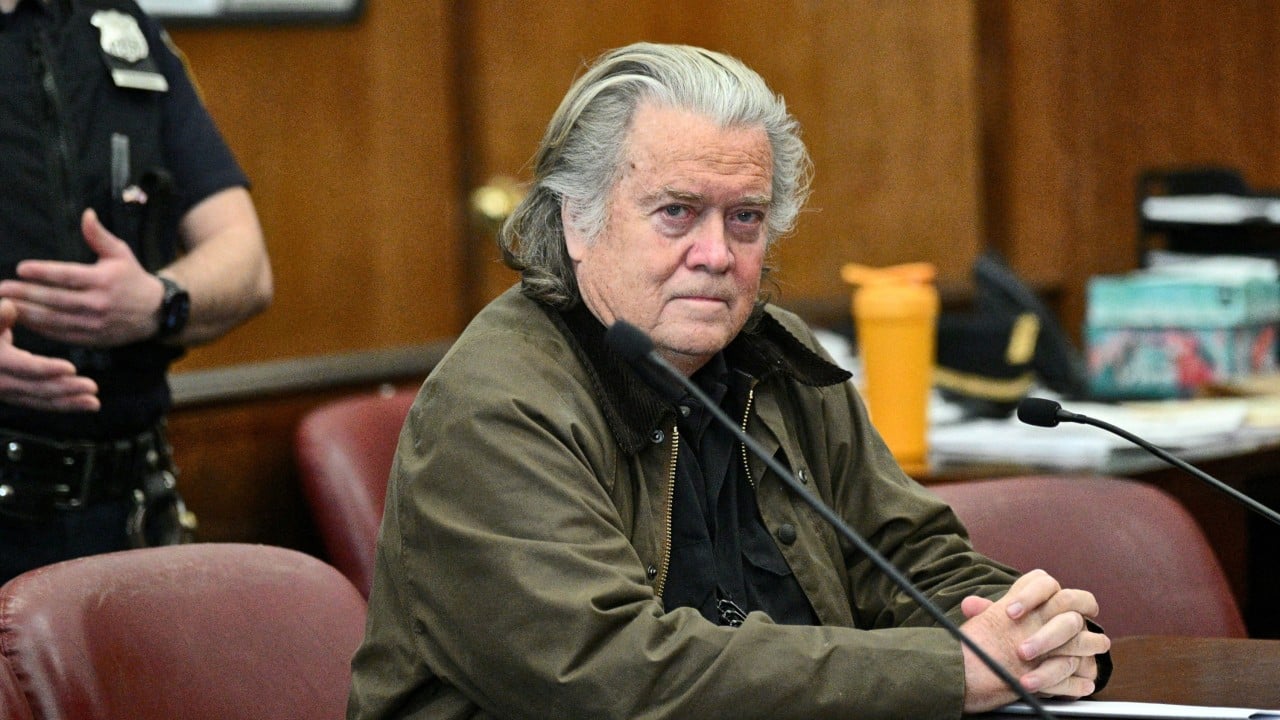
The US Supreme Court has taken a significant step in allowing Steve Bannon, a prominent far-right figure and former advisor to former President Donald Trump, to challenge his conviction related to the January 6 attack on the Capitol. This decision marks a turning point in the legal battle that has captivated political circles since Bannon's initial conviction and subsequent imprisonment in 2024.
Bannon was sentenced to four months in prison for contempt of Congress after he defied a subpoena to testify before a congressional panel investigating the 2021 attack. The panel was tasked with examining the events leading up to the storming of the Capitol, which resulted in the deaths of five people and widespread chaos. Bannon's refusal to cooperate with the investigation was seen as a direct challenge to the legislative branch's authority, leading to his conviction.
However, Bannon did not remain in prison for long. He appealed the conviction to the Supreme Court, arguing that the congressional panel's authority to subpoena witnesses was unconstitutional. The Trump administration joined Bannon's legal team in supporting this appeal, framing it as a matter of civil liberties and freedom of speech.
On Monday, the Supreme Court issued a ruling that cleared the path for Bannon's conviction to be overturned. The decision was not unanimous, with justices expressing differing opinions on the scope of congressional power and the limits of executive privilege. However, the majority view prevailed, allowing Bannon to contest the conviction on the grounds that the congressional panel's subpoena was unconstitutional.
This development has sparked intense debate among politicians and legal experts. Critics argue that Bannon's potential exoneration sends a dangerous message about accountability for those who undermine democratic institutions. They contend that his conviction was a necessary step in holding those responsible for inciting the January 6 attack accountable.
On the other hand, supporters of Bannon's appeal maintain that the Supreme Court's decision is a victory for free speech and the rule of law. They argue that the congressional panel's subpoena was an overreach of power, and that Bannon's right to remain silent should be protected.
The outcome of Bannon's appeal will likely have broader implications for the future of congressional investigations and the scope of executive privilege. It could set a precedent for how other high-profile figures are held accountable for their actions, particularly those related to the January 6 events.
As the legal battle continues, the case of Steve Bannon serves as a stark reminder of the ongoing tensions between political accountability and civil liberties. The Supreme Court's decision to allow Bannon to overturn his conviction has reignited these tensions, highlighting the complexities of navigating the boundaries of power and justice in a democratic society.
In the coming months, the focus will shift to the legal proceedings that will determine whether Bannon's conviction stands or falls. Regardless of the outcome, the case is poised to leave a lasting impact on the political landscape, shaping how future investigations are conducted and how those implicated in significant events are held to account.
The decision by the US Supreme Court to clear the path for Steve Bannon's appeal underscores the ongoing struggle between accountability and civil liberties in American politics. As the case unfolds, it will be crucial to monitor how the legal system navigates these complexities, ensuring that justice is served while upholding the principles of democracy.








