US rescues injured soldier from deep inside Iran: How the sophisticated operation unfolded and why the ‘ground war impossible’ narrative is now busted
The daring, action-movie style rescue operation seems to have reinforced the ‘leave no man behind’ policy of the US military, where they risk anything and go to unbelievable lengths to rescue their personnel. It is already being hailed as one of the most sophisticated and challenging CSAR operations in the history of modern warfare.
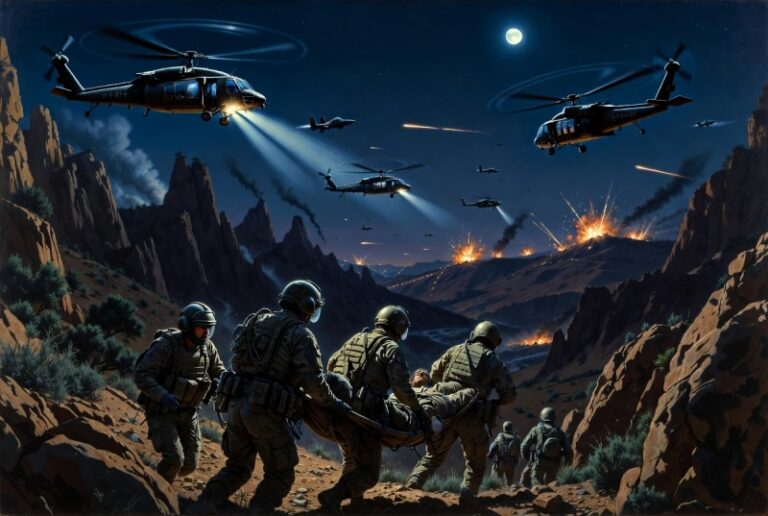
The daring rescue of an injured US soldier from deep within Iran has become a symbol of the military's unwavering commitment to the "leave no man behind" policy. This high-stakes operation, which involved a combination of precision and audacity, has been hailed as one of the most sophisticated and challenging combat search and rescue (CSAR) missions in modern history. The successful extraction of the stranded Weapons Systems Officer from Iranian territory has not only underscored the bravery of the US forces but also dealt a significant blow to the narrative that suggested a ground war with Iran was impossible.
The mission began on April 3, when an F-15E Strike Eagle fighter jet was shot down over southwestern Iran, in the rugged Zagros Mountains. The area, believed to be in either the Kohgiluyeh or Khuzestan provinces, posed significant challenges for any rescue operation due to its inhospitable terrain and proximity to Iranian forces. The downing of the aircraft marked the first confirmed loss of a manned US fighter jet within Iranian territory, raising concerns that the pilots could be captured alive. This would have given Iran a powerful bargaining chip in the ongoing conflict.
The two-person crew, a pilot and a weapons systems officer, managed to eject safely but landed in separate locations. The pilot was quickly located and rescued the same day, with two Jolly Green II Black Hawk helicopters responding to his beacon. Despite coming under heavy Iranian fire, the helicopters persevered, sustaining damage and injuries to their crews. However, they ultimately managed to land safely at an undisclosed US base, a remarkable achievement in itself.
The more challenging part of the operation lay ahead. The Weapons Systems Officer, who had been injured in the crash, was stranded deep within Iranian territory. The US forces, aided by the CIA, launched a meticulously planned rescue mission to locate and extract the soldier. The operation required exceptional coordination, as the team had to navigate treacherous terrain, evade Iranian forces, and ensure the safety of the stranded personnel.
The mission unfolded in a series of intricate maneuvers. US intelligence gathered critical information about the soldier's location, and a team of highly trained operators was deployed to infiltrate Iranian territory. Simultaneously, a coordinated effort was made to mislead Iranian forces about the true nature of the operation, ensuring that the rescue could proceed without detection.
Once the team located the injured soldier, they quickly assessed the situation and prepared to extract him. The extraction involved a risky helicopter insertion, which required precise timing and execution. The helicopters, likely modified Black Hawks or similar aircraft, approached the extraction zone under the cover of darkness, minimizing the risk of detection. The team extracted the soldier and, with the help of additional aircraft, safely evacuated the area.
The operation's success has been widely celebrated, with many viewing it as a testament to the US military's unwavering dedication to rescuing its personnel, no matter the cost or the odds. The mission has also served to debunk the notion that a ground war with Iran was impossible. The elaborate rescue operation required significant ground presence and coordination, demonstrating that the US is capable of conducting complex operations deep within hostile territory.
This mission has undoubtedly left a lasting impression on the world, showcasing the extraordinary capabilities of the US military and the CIA. It serves as a reminder of the importance of the "leave no man behind" policy and the lengths to which the US will go to ensure the safety of its personnel. As the dust settles on this remarkable operation, it is clear that the narrative of a ground war with Iran has been decisively challenged, leaving no doubt about the US's resolve in the face of adversity.