
US pilot rescued as Trump threatens to hit Iran infrastructure in profanity-laden social media post
A US military pilot has been found in Iran after a search-and-rescue mission. Soon after, US President Donald Trump issued a threat to Iranian infrastructure if the Strait of Hormuz remains closed in a profanity-laden social media post.
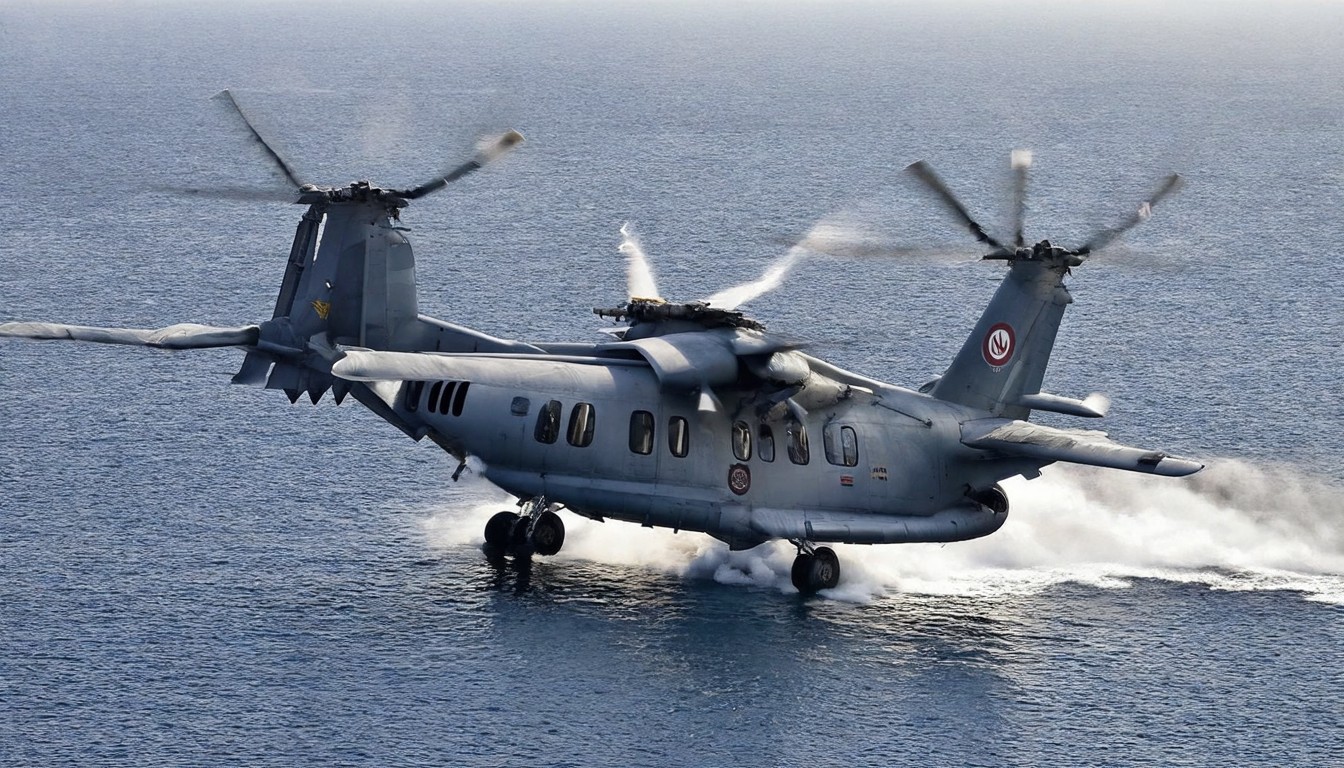
A US military pilot has been rescued after being held captive in Iran following a search-and-rescue mission. The pilot, whose identity has not been disclosed, was located in a remote area of Iran and safely repatriated to the United States. The operation, which took place in the aftermath of tensions escalating between the two nations, marked a significant diplomatic development.
The pilot's capture occurred after his aircraft was reportedly shot down by the Iranian Revolutionary Guard Corps near the Strait of Hormuz on June 20. The incident followed a series of provocative actions by both sides, including the US imposing new sanctions on Iran and the Iranian military seizing a British tanker in the region. The US initially demanded the immediate release of the pilot, but Iranian officials insisted that the aircraft had strayed into their airspace.
The successful rescue mission, which involved coordination between US intelligence agencies and local authorities, was a testament to the urgency with which the US sought to resolve the situation. The pilot's family was reportedly informed of his safe return, and officials expressed relief at the conclusion of the ordeal.
However, the situation remained volatile as US President Donald Trump took to Twitter shortly after the pilot's rescue, issuing a profanity-laden threat to Iranian infrastructure if the Strait of Hormuz remained closed. In a series of tweets, Trump warned that the US would "take out" Iranian oil facilities and other critical infrastructure if the Strait remained blocked. The Strait of Hormuz, a narrow waterway between the Persian Gulf and the Gulf of Oman, is a crucial chokepoint for global oil shipments, with approximately 30% of the world's oil passing through it.
Iranian officials dismissed Trump's threats as empty rhetoric, emphasizing that the Strait had not been closed but rather was being used by the Iranian navy for routine exercises. They also accused the US of attempting to disrupt Iran's oil exports, which are a significant source of revenue for the country.
The escalating rhetoric between the two nations has raised concerns among international observers about the potential for a broader conflict in the region. Analysts have noted that the Strait of Hormuz has been a flashpoint for decades, with both the US and Iran having interests in maintaining control over the strategic waterway.
In response to the situation, the European Union and other global powers have called for de-escalation and diplomatic dialogue. The UK, which has also been involved in the region due to the seizure of its tanker, has urged both sides to avoid further escalation.
The rescue of the US pilot, while marking a temporary resolution to one aspect of the crisis, has not alleviated the broader tensions between the US and Iran. As both nations continue to exchange threats and accusations, the future of the Strait of Hormuz and the stability of the Middle East remain uncertain. The situation underscores the complex and delicate nature of international relations, particularly in regions with significant geopolitical and economic stakes.








