
U.S. oil has its biggest one-day price increase in six years, driving up the cost of gas
Stocks swung sharply, and the average cost of gas nationwide hit $4.08 a gallon for unleaded and $5.51 for diesel.
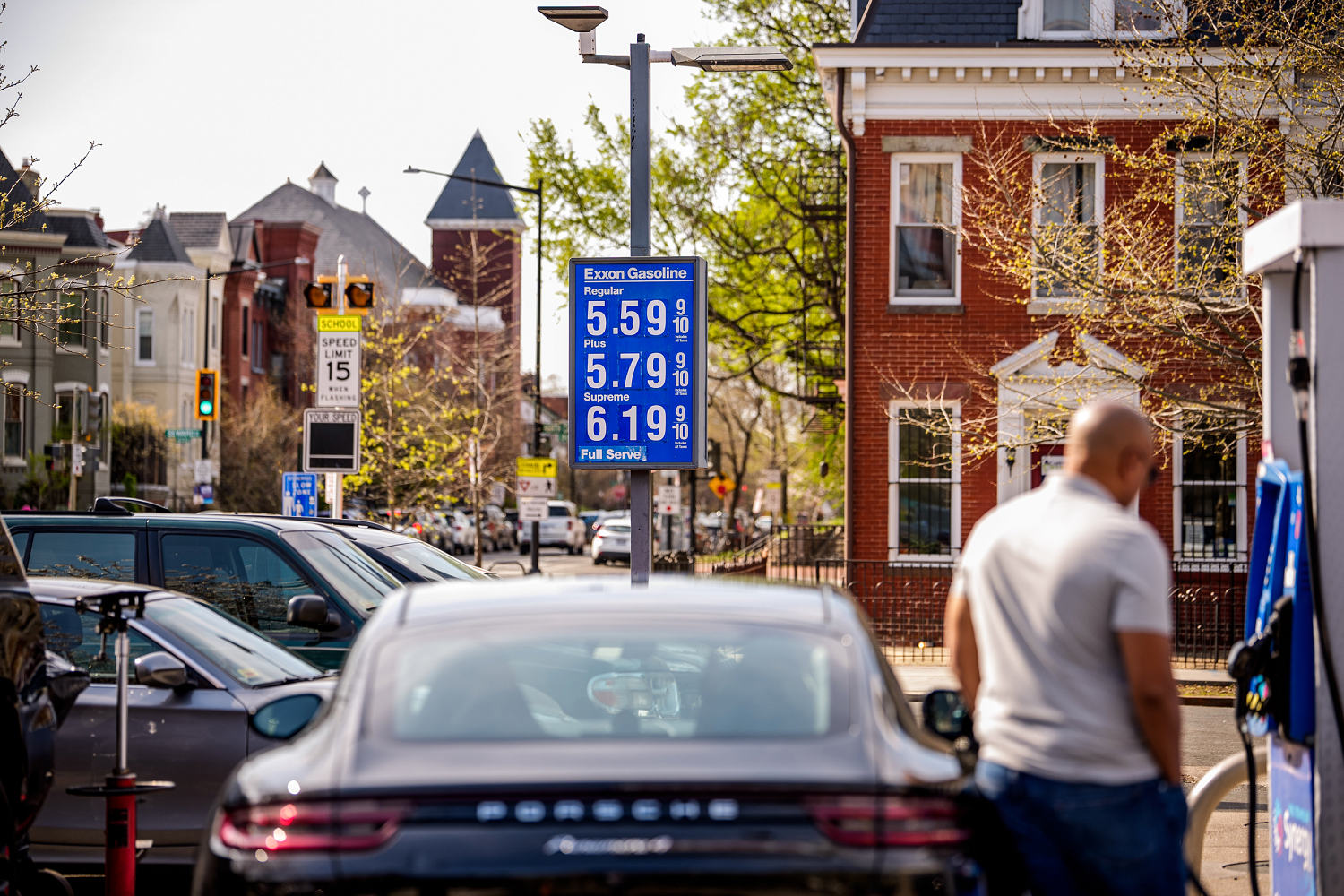
On March 31, 2026, the U.S. oil market experienced its largest one-day price increase in six years, sending shockwaves through the economy and driving up the cost of gas to unprecedented levels. The sudden spike in oil prices, coupled with volatile stock market fluctuations, resulted in the average cost of unleaded gas reaching $4.08 per gallon and diesel soaring to $5.51 per gallon nationwide.
The dramatic rise in oil prices was triggered by a combination of geopolitical tensions and supply chain disruptions. Reports indicated that a series of unexpected events in key oil-producing regions, including a sudden halt in production by a major Middle Eastern oil producer, contributed to the shortage. Additionally, increased demand from emerging markets, particularly in Asia, exacerbated the situation, pushing prices higher.
The impact of this oil price surge was immediately felt at gas stations across the country. Motorists were stunned to find prices over five dollars a gallon at an Exxon station near the U.S. Capitol Building in Washington, D.C. Similar scenes played out in cities and towns across the nation, as drivers struggled to keep up with the rapidly escalating costs of fuel.
The stock market also reacted sharply to the news, with major indices plunging and rising in a chaotic display of investor anxiety. Analysts warned that the oil price hike could lead to higher inflation, potentially undermining consumer confidence and slowing economic growth.
In response to the crisis, government officials and industry experts called for increased domestic oil production to alleviate the shortage. However, concerns about the environmental impact of drilling in sensitive areas, such as the Arctic National Wildlife Refuge, complicated efforts to ramp up production quickly.
Meanwhile, alternative fuel sources, such as electric vehicles and hydrogen, gained renewed attention as potential solutions to the soaring gas prices. Many consumers, who had previously been hesitant to switch, were now considering the environmental and economic benefits of transitioning to cleaner energy options.
The sudden spike in oil prices also prompted a reevaluation of U.S. energy policies. Critics argued that the country's reliance on foreign oil had left it vulnerable to global market fluctuations. Advocates for renewable energy sources, such as wind and solar, urged lawmakers to invest more in infrastructure and incentives to accelerate the transition away from fossil fuels.
As the oil price surge continued to reverberate through the economy, the broader implications for consumers and businesses became clear. Higher gas prices meant increased transportation costs for everything from commuting to shipping goods, which could lead to higher prices on everyday items.
In the face of these challenges, many Americans turned to public transportation, carpooling, and biking as alternatives to driving alone. Others sought to reduce their carbon footprint by embracing energy-efficient practices and supporting green initiatives.
The unprecedented oil price increase served as a stark reminder of the interconnectedness of global markets and the need for sustainable energy solutions. As the world grappled with the consequences of this sudden spike, the search for long-term alternatives to fossil fuels became more urgent than ever.
In conclusion, the U.S. oil market's dramatic one-day price increase in six years not only drove up the cost of gas to record levels but also highlighted the pressing need for a more resilient and sustainable energy future. With geopolitical tensions and supply chain disruptions likely to persist, the transition to cleaner energy sources became a critical priority for policymakers, businesses, and consumers alike. The events of March 31, 2026, underscored the importance of investing in renewable energy and adopting sustainable practices to ensure energy security and economic stability in the years to come.









