
U.S. oil has its biggest one-day price increase in six years, driving up the cost of gas
Stocks swung sharply, and the average cost of gas nationwide hit $4.08 a gallon for unleaded and $5.51 for diesel.
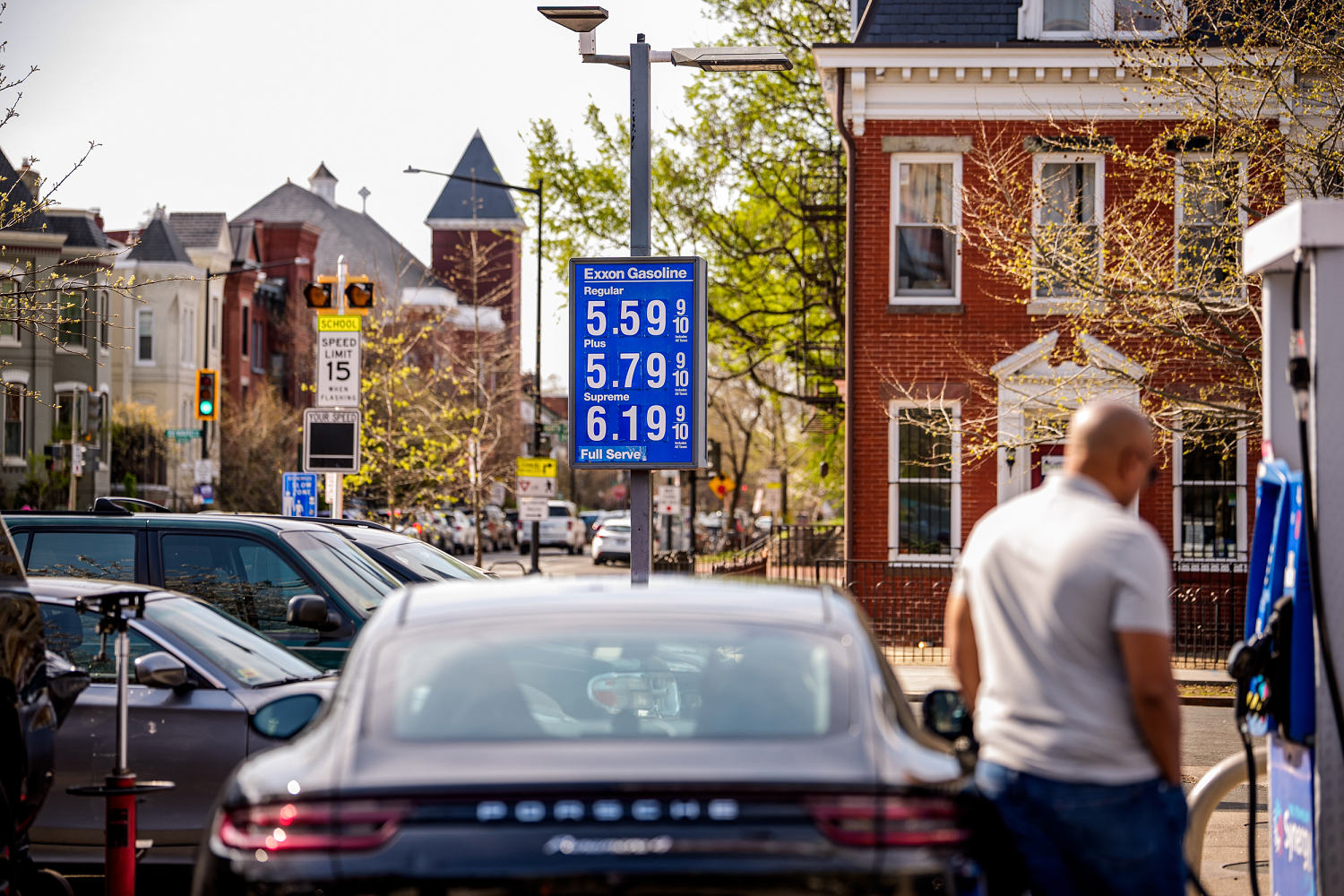
On March 31, 2026, the U.S. oil market experienced its largest one-day price increase in six years, sending shockwaves through the stock market and driving up the cost of gas across the nation. The sudden spike in oil prices, coupled with the sharp fluctuations in the stock market, resulted in the average cost of unleaded gas reaching $4.08 per gallon and diesel soaring to $5.51 per gallon.
The dramatic rise in oil prices can be traced back to a combination of geopolitical tensions and economic uncertainties. Recent developments in the Middle East, including escalating conflicts and production cuts, have limited supply, pushing prices upward. Additionally, global economic slowdown concerns have led to reduced demand for oil, further exacerbating the situation.
The stock market reacted with volatility, as investors scrambled to assess the impact of these price hikes on corporate earnings and consumer spending. Many energy-related stocks saw significant gains, while sectors heavily reliant on transportation and logistics faced pressure.
The immediate effect of the oil price surge has been felt at gas stations across the country. Drivers are now confronting higher fuel costs, with some gas stations displaying prices over $5 per gallon, as seen at an Exxon station near the U.S. Capitol Building. This sudden increase in gas prices has raised concerns among consumers, who are already grappling with inflation and rising living costs.
Economists and analysts are warning that this spike in oil prices could lead to a prolonged period of high gas costs, potentially triggering further inflation and slowing economic growth. Some experts suggest that the situation may require intervention from policymakers, such as releasing strategic oil reserves or implementing tax incentives to offset the cost burden on consumers.
Retail gas station owners are also feeling the pressure, as they struggle to balance their own operational costs with the need to pass on higher prices to customers. Some have reported reduced foot traffic and sales due to the increased cost of fuel, which could have ripple effects on local economies.
In response to the situation, government officials have urged drivers to adopt more fuel-efficient practices and consider alternative modes of transportation. However, many Americans remain reliant on personal vehicles, making the impact of these price hikes particularly significant.
The oil price surge has also prompted a renewed focus on alternative energy sources and the transition to electric vehicles. While the shift to electric transportation is underway, it may take time for the market to fully adapt, and in the meantime, consumers and businesses will continue to feel the effects of higher fuel costs.
As the situation unfolds, it remains to be seen how the U.S. and global economies will navigate these challenges. The recent spike in oil prices serves as a stark reminder of the interconnectedness of energy markets and the broader economy, and the need for adaptable policies and strategies to mitigate the impacts on both consumers and businesses.









