US official views Iran’s hardline stance as negotiating tactic amid ceasefire doubts: FT
Iran's hardline stance may delay US-Iran negotiations, impacting market confidence and increasing geopolitical uncertainty. The post US official views Iran’s hardline stance as negotiating tactic amid ceasefire doubts: FT appeared first on Crypto Briefing .
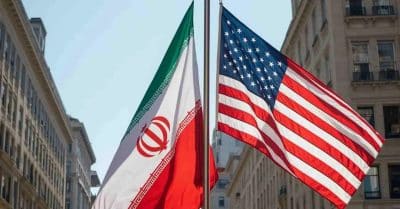
The US is increasingly viewing Iran's hardline stance as a deliberate negotiating tactic, particularly in the context of growing doubts surrounding the effectiveness of the recent ceasefire agreement. This perspective has emerged as US officials grapple with the implications of Iran's unyielding posture on the ongoing negotiations and its potential impact on global markets and geopolitical stability.
In recent weeks, tensions between the US and Iran have escalated, with both sides accusing each other of violating the ceasefire terms. The agreement, brokered in an attempt to de-escalate the volatile situation in the region, has faced criticism for its fragility and limited scope. US officials have expressed concerns that Iran's refusal to compromise on key issues could stall the negotiations and prolong the conflict.
Iran's hardline stance, which includes its insistence on maintaining its nuclear program and support for proxy groups in the region, is seen by some US officials as a calculated move to pressure the US into making concessions. This tactic, they argue, is designed to test the resolve of the US administration and force it into a corner, thereby securing better terms for Iran in the negotiations.
The impact of this stalemate on global markets has been significant. Investors and analysts have expressed growing concerns about the potential for increased geopolitical uncertainty, which could lead to volatility in commodity prices, particularly oil. The US-Iran tensions have already contributed to a spike in oil prices, as markets worry about disruptions to global supply chains.
Moreover, the uncertainty surrounding the negotiations has raised questions about the long-term stability of the region. The US and its allies have long viewed Iran as a destabilizing force in the Middle East, and the ongoing conflict has the potential to spill over into neighboring countries, exacerbating existing tensions and fueling further instability.
In response to Iran's hardline stance, the US has stepped up its diplomatic efforts to build a broader coalition of nations to pressure Tehran. This includes engaging with key players in the region, such as Saudi Arabia and the United Arab Emirates, as well as pursuing international forums to address the issue.
However, the effectiveness of these efforts remains uncertain. Some analysts argue that the US needs to adopt a more flexible approach to negotiations, acknowledging the complex realities on the ground and the legitimate concerns of the Iranian people. Others contend that the US must maintain a firm stance, demonstrating its commitment to regional security and the non-proliferation of nuclear weapons.
As the negotiations continue, the US and its allies are closely monitoring Iran's actions, seeking to discern whether its hardline stance is a genuine reflection of its position or a strategic ploy to gain leverage in the talks. The outcome of these negotiations will have far-reaching implications for global markets, regional stability, and the broader US foreign policy landscape.
In conclusion, the US official view that Iran's hardline stance is a negotiating tactic highlights the complex dynamics of the ongoing US-Iran conflict. The stalemate in negotiations has raised concerns about market confidence and geopolitical uncertainty, with potential repercussions for global stability. As both sides maneuver in this delicate dance, the path forward remains uncertain, and the international community watches closely for any developments that could pave the way for a resolution.