US Military Prepares Plan To Seize Iran's Uranium: 'Could Involve Hundreds Or Thousands Of Troops'
US military drafted a risky plan under Donald Trump to send hundreds or thousands of troops into Iran to seize highly enriched uranium at fortified sites like Isfahan and Natanz.
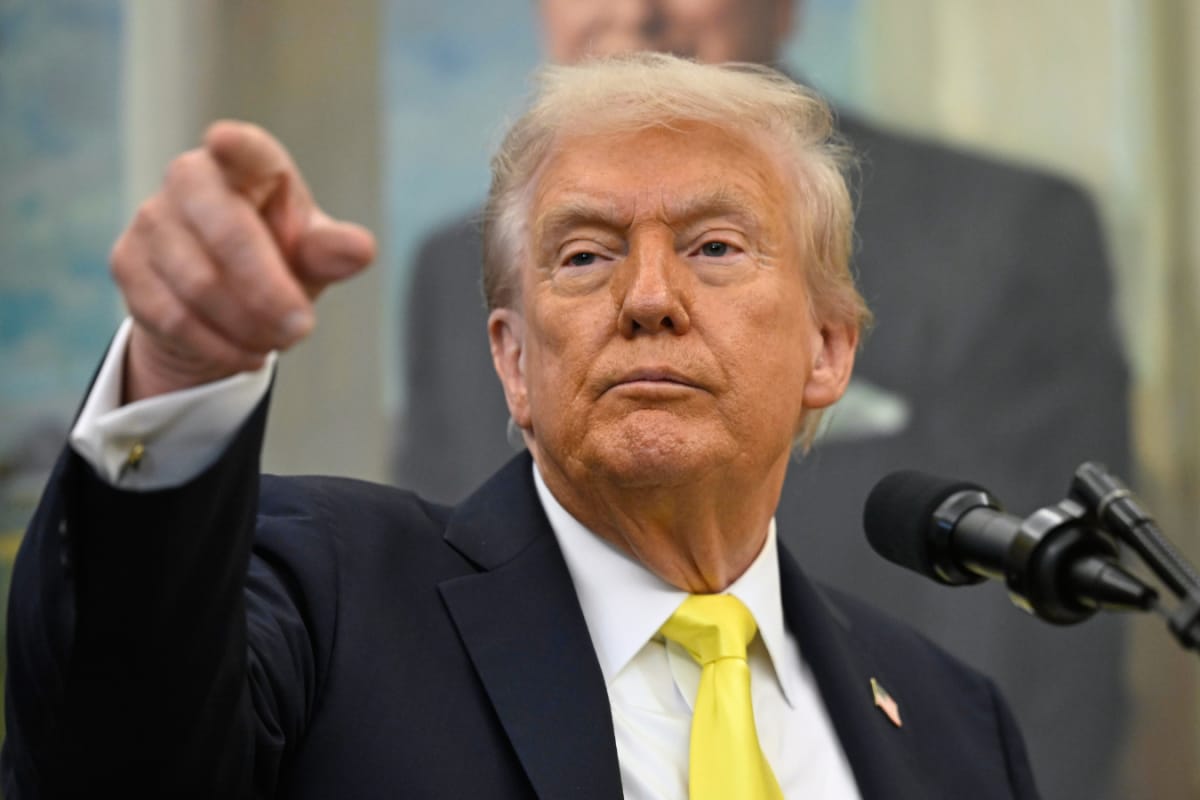
The United States military has reportedly drafted a bold and controversial plan under the Trump administration to seize highly enriched uranium from Iranian nuclear facilities. This ambitious operation, which could involve hundreds or even thousands of troops, targets key sites such as Isfahan and Natanz, both of which are heavily fortified and central to Iran's nuclear program. The revelation of this plan has sparked significant concerns among international observers, raising questions about the potential escalation of tensions in the Middle East and the broader implications for global security.
The background to this plan dates back to the Trump administration's aggressive stance on Iran, marked by the withdrawal from the 2015 Iran nuclear deal and the imposition of severe economic sanctions. The administration's hardline approach was rooted in the belief that Iran was actively working to develop nuclear weapons, despite assurances from the International Atomic Energy Agency (IAEA) that Tehran was adhering to its nuclear obligations. The Trump administration's insistence on a "maximum pressure" strategy aimed to force Iran into negotiations, but it also increased the risk of military confrontation.
The proposed military operation, which remains classified but has been leaked to several media outlets, involves a covert and swift strike on Iran's nuclear facilities. The primary objective is to seize large quantities of highly enriched uranium, which can be used to create nuclear weapons. The sites of interest, such as Isfahan and Natanz, are not only critical to Iran's nuclear program but also pose significant challenges for any military force attempting to infiltrate them. Both facilities are located deep underground, surrounded by layers of security, and are believed to be protected by advanced defense systems.
The scale of the operation is unprecedented, with estimates suggesting that it could involve anywhere from a few hundred to several thousand troops. This level of military involvement raises serious concerns about the potential for casualties and collateral damage, both on the ground and among the civilian population. Furthermore, the operation could trigger a broader conflict, drawing in regional allies and adversaries, and potentially escalating into a full-scale war.
Critics of the plan argue that it is both risky and counterproductive. They contend that a military strike would not only fail to achieve its objectives but could also lead to a significant deterioration in U.S.-Iran relations, further destabilizing the region. Additionally, there is the risk that such an operation could provoke Iran into retaliating with cyberattacks, terrorist acts, or even a nuclear response, which would have catastrophic consequences for global security.
Supporters of the plan, however, maintain that it is a necessary measure to prevent Iran from acquiring nuclear weapons. They argue that the Trump administration's approach was a last resort, given the failure of diplomatic efforts to curb Iran's nuclear ambitions. They also point to the success of similar covert operations in the past, such as the 1980 U.S. hostage crisis rescue in Iran, which demonstrated the potential for a well-executed military intervention to achieve strategic objectives.
The leaked details of the plan have prompted a flurry of reactions from international leaders and experts. European allies, particularly those reliant on Iranian oil, have expressed concern about the potential for a broader conflict and have urged caution. Meanwhile, Israeli officials have reportedly welcomed the idea of a military strike, viewing it as a viable option to thwart Iran's nuclear program.
The Biden administration, which took office in January 2021, has distanced itself from the Trump-era plan, opting instead for a more diplomatic approach. President Biden has re-entered the Iran nuclear deal and has emphasized the importance of engaging in dialogue and negotiation. However, the existence of such a plan under the Trump administration highlights the volatile nature of U.S.-Iran relations and the ongoing tensions in the region.
In conclusion, the US military's proposed plan to seize Iran's uranium facilities represents a significant escalation in the longstanding U.S.-Iran conflict. While it reflects the Trump administration's hardline stance on Iran, the plan's potential consequences—both in terms of military engagement and regional stability—remain a cause for concern. As the Biden administration seeks to de-escalate tensions, the leaked details of this ambitious operation serve as a stark reminder of the complex and contentious nature of nuclear diplomacy in the 21st century.